If you need a more accessible version of this website, click this button on the right.Switch to Accessible Site

July 2025

Wednesday, 30 July 2025 00:00

It's Time for Beautiful Feet

You don't need an excuse to have beautiful nails. Step outside without worrying about the appearance of your feet.

Tuesday, 29 July 2025 00:00

Changes in Feet During Pregnancy

Pregnancy can bring significant changes to the feet and ankles due to hormonal shifts and increased body weight. Many women notice an increase in shoe size as the ligaments relax and the arch flattens. Swelling and fluid retention are also common, especially in the ankles. Some women may experience redness and itching of the soles, often caused by elevated estrogen levels. These symptoms can lead to discomfort and difficulty walking. A podiatrist can provide supportive care through custom orthotics, guidance on proper footwear, and treatments to relieve irritation and swelling. If you are experiencing foot or ankle issues during pregnancy, it is suggested that you consult a podiatrist who can treat various foot conditions returning comfort, mobility, and support throughout this important stage.

Pregnant women with swollen feet can be treated with a variety of different methods that are readily available. For more information about other cures for swollen feet during pregnancy, consult with one of our podiatrists from Coastal Foot & Ankle Wellness Center, LLC. Our doctors will attend to all of your foot and ankle needs.

What Foot Problems Can Arise During Pregnancy?

One problem that can occur is overpronation, which occurs when the arch of the foot flattens and tends to roll inward.  This can cause pain and discomfort in your heels while you’re walking or even just standing up, trying to support your baby.  

Another problem is edema, or swelling in the extremities. This often affects the feet during pregnancy but tends to occur in the later stages. 

How Can I Keep My Feet Healthy During Pregnancy?

  • Wearing orthotics can provide extra support for the feet and help distribute weight evenly
  • Minimize the amount of time spent walking barefoot
  • Wear shoes with good arch support
  • Wear shoes that allow for good circulation to the feet
  • Elevate feet if you experience swelling
  • Massage your feet
  • Get regular, light exercise, such as walking, to promote blood circulation to the feet

If you have any questions, please feel free to contact one of our offices located in St. Augustine, and Palatka, FL . We offer the newest diagnostic and treatment technologies for all your foot care needs.

Read more about Foot Care for Pregnant Women

A bunion is a bony bump that forms at the base of the big toe, as the top of the toe shifts inward. This condition often results from pressure on the foot over time, leading to joint misalignment. Common causes include improper footwear, genetics, flat feet, or certain medical conditions. Symptoms may involve pain, redness, swelling, and difficulty wearing shoes. Risk factors include family history, tight or narrow footwear, and occupations that place stress on the feet. A podiatrist can evaluate the severity, provide pain relief, recommend orthotics, and discuss treatment options. If you notice a growing bump or discomfort at the base of your big toe, it is suggested that you schedule a visit with a podiatrist who can offer effective relief and treatment solutions.

If you are suffering from bunion pain, contact one of our podiatrists of Coastal Foot & Ankle Wellness Center, LLC. Our doctors can provide the care you need to keep you pain-free and on your feet.

What Is a Bunion?

Bunions are painful bony bumps that usually develop on the inside of the foot at the joint of the big toe. As the deformity increases over time, it may become painful to walk and wear shoes. Women are more likely to exacerbate existing bunions since they often wear tight, narrow shoes that shift their toes together. Bunion pain can be relieved by wearing wider shoes with enough room for the toes.

Causes

  • Genetics – some people inherit feet that are more prone to bunion development
  • Inflammatory Conditions - rheumatoid arthritis and polio may cause bunion development

Symptoms

  • Redness and inflammation
  • Pain and tenderness
  • Callus or corns on the bump
  • Restricted motion in the big toe

In order to diagnose your bunion, your podiatrist may ask about your medical history, symptoms, and general health. Your doctor might also order an x-ray to take a closer look at your feet. Nonsurgical treatment options include orthotics, padding, icing, changes in footwear, and medication. If nonsurgical treatments don’t alleviate your bunion pain, surgery may be necessary.

If you have any questions, please feel free to contact one of our offices located in St. Augustine, and Palatka, FL . We offer the newest diagnostic and treatment technologies for all your foot care needs.

Read more about Bunions
Tuesday, 15 July 2025 00:00

Signs You May Have an Ingrown Toenail

An ingrown toenail develops when the edge of the nail grows into the surrounding skin instead of over it. This often causes tenderness, swelling, and redness along one or both sides of the nail, most commonly on the big toe. In the early stages, the area may feel sore when pressure is applied, especially while wearing shoes. As it progresses, the skin may become inflamed or even show signs of infection such as warmth, pus, or increased pain. Trimming nails too short or at an angle, wearing tight footwear, or stubbing the toe can contribute to the problem. Left untreated, an ingrown toenail may worsen and lead to further complications. If you notice ongoing pain, swelling, or signs of infection near the edge of your toenail, it is suggested that you see a podiatrist to receive proper care and avoid further irritation.

Ingrown toenails may initially present themselves as a minor discomfort, but they may progress into an infection in the skin without proper treatment. For more information about ingrown toenails, contact one of our podiatrists of Coastal Foot & Ankle Wellness Center, LLC. Our doctors can provide the care you need to keep you pain-free and on your feet.

Ingrown Toenails

Ingrown toenails are caused when the corner or side of a toenail grows into the soft flesh surrounding it. They often result in redness, swelling, pain, and in some cases, infection. This condition typically affects the big toe and may recur if it is not treated properly.

Causes

  • Improper toenail trimming
  • Genetics
  • Improper shoe fitting
  • Injury from pedicures or nail picking
  • Abnormal gait
  • Poor hygiene

You are more likely to develop an ingrown toenail if you are obese, have diabetes, arthritis, or have any fungal infection in your nails. Additionally, people who have foot or toe deformities are at a higher risk of developing an ingrown toenail.

Symptoms

Some symptoms of ingrown toenails are redness, swelling, and pain. In rare cases, there may be a yellowish drainage coming from the nail.

Treatment

Ignoring an ingrown toenail can have serious complications. Infections of the nail border can progress to a deeper soft-tissue infection, which can then turn into a bone infection. You should always speak with your podiatrist if you suspect you have an ingrown toenail, especially if you have diabetes or poor circulation.

If you have any questions, please feel free to contact one of our offices located in St. Augustine, and Palatka, FL . We offer the newest diagnostic and treatment technologies for all your foot care needs.

Read more about Ingrown Toenail Care
Tuesday, 08 July 2025 00:00

Foot Problems That Can Affect Runners

Running is a high-impact activity that can lead to a variety of foot-related issues, especially when shoes do not fit well or training is too intense. Pain in the heel is a common complaint, often caused by irritation of the tissue along the bottom of the foot. Small cracks in the bone, called stress fractures, may develop from repetitive motion, and are typically painful during activity. Tightness or discomfort at the back of the ankle may signal inflammation of the tendon that supports that area. Runners might also deal with skin problems like blisters or bruised toenails from friction. Discomfort in the forefoot or worsening of conditions like bunions can also occur with long runs or poor support. Paying attention to early signs of pain and choosing proper footwear can reduce the risk. If running leads to foot pain or changes that do not resolve, it is suggested that you see a podiatrist for a diagnosis and appropriate treatment.

All runners should take extra precaution when trying to avoid injury. If you have any concerns about your feet, contact one of our podiatrists of Coastal Foot & Ankle Wellness Center, LLC. Our doctors will treat your foot and ankle needs.

How to Prevent Running Injuries

There are a lot of mistakes a runner can make prior to a workout that can induce injury. A lot of athletes tend to overstretch before running, instead of saving those workouts for a post-run routine. Deep lunges and hand-to-toe hamstring pulls should be performed after a workout instead of during a warmup. Another common mistake is jumping into an intense routine before your body is physically prepared for it. You should try to ease your way into long-distance running instead of forcing yourself to rush into it.

More Tips for Preventing Injury

  • Incorporate Strength Training into Workouts - This will help improve the body’s overall athleticism
  • Improve and Maintain Your Flexibility – Stretching everyday will help improve overall performance
  • “Warm Up” Before Running and “Cool Down” Afterward – A warm up of 5-10 minutes helps get rid of lactic acid in the muscles and prevents delayed muscle soreness
  • Cross-Training is Crucial
  • Wear Proper Running Shoes
  • Have a Formal Gait Analysis – Poor biomechanics can easily cause injury

If you have any questions, please feel free to contact one of our offices located in St. Augustine, and Palatka, FL . We offer the newest diagnostic and treatment technologies for all your foot care needs.

Read more about Preventing Running Injuries

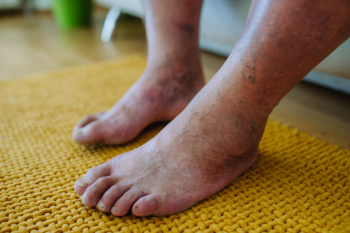
Diabetes can cause nerve damage, known as neuropathy, and poor circulation, leading to decreased sensation and slower healing in the feet. This makes it easier to develop unnoticed cuts, blisters, or infections, which can worsen without proper care. Symptoms include numbness, tingling, burning sensations, dry or cracked skin, swelling, and slow-healing wounds. Feet may appear discolored, swollen, or have ulcers, which can be painless due to nerve damage, but are at high risk for infection. A podiatrist can diagnose diabetic foot problems with a thorough foot exam, assessing circulation and nerve function. Treatment focuses on preventing complications through regular foot care, wound management, custom orthotics, and education on proper hygiene and footwear.  If you have diabetes, it is suggested that you schedule regular appointments with a podiatrist for ongoing care.

Diabetic foot care is important in preventing foot ailments such as ulcers. If you are suffering from diabetes or have any other concerns about your feet, contact one of our podiatrists from Coastal Foot & Ankle Wellness Center, LLC. Our doctors can provide the care you need to keep you pain-free and on your feet.

Diabetic Foot Care

Diabetes affects millions of people every year. The condition can damage blood vessels in many parts of the body, especially the feet. Because of this, taking care of your feet is essential if you have diabetes, and having a podiatrist help monitor your foot health is highly recommended.

The Importance of Caring for Your Feet

  • Routinely inspect your feet for bruises or sores.
  • Wear socks that fit your feet comfortably.
  • Wear comfortable shoes that provide adequate support.

Patients with diabetes should have their doctor monitor their blood levels, as blood sugar levels play such a huge role in diabetic care. Monitoring these levels on a regular basis is highly advised.

It is always best to inform your healthcare professional of any concerns you may have regarding your feet, especially for diabetic patients. Early treatment and routine foot examinations are keys to maintaining proper health, especially because severe complications can arise if proper treatment is not applied.

If you have any questions, please feel free to contact one of our offices located in St. Augustine, and Palatka, FL . We offer the newest diagnostic and treatment technologies for all your foot care needs.

Read more about Diabetic Foot Care
Connect with us