
Making North Florida beautiful, one foot at a time
Coastal Foot and Ankle Wellness Center is proud to offer expert foot and ankle care from our skilled podiatrists, Jose Concha, Richard Johnson, and Roman Ivankiv. Serving patients in St. Augustine and Palatka, Florida, our offices are equipped with advanced technology to provide high-quality, personalized podiatric treatments.
Making North Florida beautiful, one foot at a time
At Coastal Foot & Ankle Wellness Center, our podiatrists, José Concha, Richard Johnson, and Roman Ivankiv have the credentials and expertise to treat all your foot and ankle concerns. With offices in St. Augustine and Palatka, FL, we have access to various advanced equipment regarding podiatric treatment and procedures.







What Sets Us Apart
Here at Coastal Foot and Ankle Wellness Center we believe that the doctor and you become a team for treating your foot problems. Our podiatrists spend most of their time focused on listening and understanding your concerns and responding with the best treatment options for you. With the help of our professional staff, they follow up to make sure that pain is relieved, problems are resolved and your health improves.
Preventative Care

José Concha

Richard Johnson

Roman Ivankiv
Come experience the Coastal difference.
Skilled in working with all ages, Coastal Foot & Wellness Center has special training in general podiatric concerns, wound care, diabetic footcare, sports medicine, EPAT shockwave therapy, etc. We do it all!
In an effort to help our patients feel relaxed and ease the stresses of their day, we have massage chairs in the exam rooms, use gentle aromatherapy and provide a warm towel for all of our patients. Our priority is creating a patient focused environment.

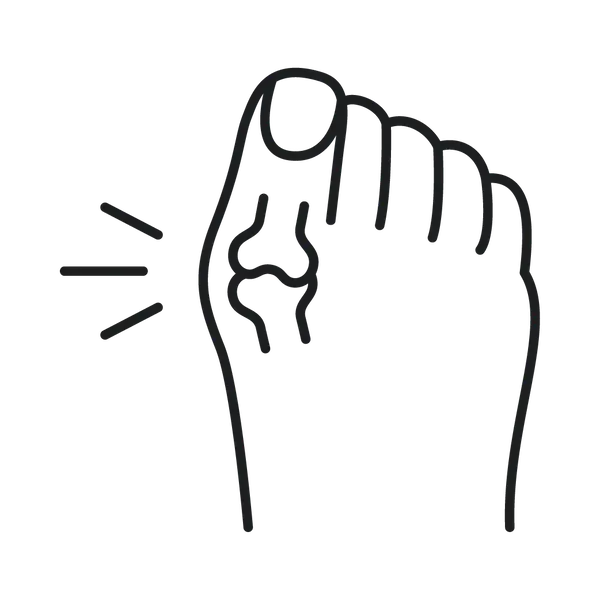



Bunions
A bunion is a bony, painful swelling that is often formed on the first joint of the big toe. Bunions can be extremely painful due to the weight of all your body resting on it each time you take a step. Everyday activities, such as walking and wearing shoes, can cause you extreme discomfort if you have a bunion.
If you have a bunion, you may notice a bony bump on your big toe, experience swelling and redness, and the area may feel tender to the touch. To help alleviate the pain that often comes with having a bunion, it’s suggested to maintain a healthy weight to help lessen the pressure on your toe, practice both heating and icing the affected area, wear wide-fitting shoes to leave plenty of space for your toes and to minimize rubbing, and look into shoe inserts that can help position your foot correctly.
Plantar Fasciitis
Plantar fasciitis affects the plantar regions of the foot, namely the heel, arch, and midfoot. When too much stress is put on the plantar fascia, or the connective tissue that stretches from the heel to the ball of your foot, inflammation, overtightening, and tearing may arise. This can cause foot pain. Because of plantar fasciitis, you may experience tearing with the first steps you take in the morning each day.
If you’re feeling pain after sitting, walking, or standing for a long period of time, as well as when you first step out of bed or climb stairs, you may be showing signs of plantar fasciitis. To know for sure what’s causing you pain, it’s best that you get an X-ray taken of your foot.
Hammertoes
Hammertoes can be identified by an abnormal bend in the middle joint of the toe. This abnormal bending can lead to added pressure on the toe when wearing shoes. It can also cause pain or discomfort when walking or running. Because hammertoes typically worsen over time and become increasingly more rigid, it’s recommended that you seek the help of a podiatrist for treatment options if you believe you’re experiencing the symptoms of this deformity.
Orthotics, as well as medical pads for corns and calluses that may develop due to your hammertoe, are recommended to help relieve discomfort. Light toe exercises may also be helpful for strengthening the muscles and mobility of your toes.
For a proper diagnosis and recommended treatment plan, we suggest you consult with a podiatrist for professional help and care.
Diabetic Foot Care
Unfortunately, foot problems are often a common result of having diabetes. As time goes by, it’s likely that diabetes can cause nerve damage, also known as diabetic neuropathy. This can lead to tingling or a painful sensation, and it may also cause you to lose feeling in your feet. The loss of feeling in your feet can become incredibly dangerous, especially if you can no longer sense a blister or cut on your foot; this can lead to sores or infections.
In certain serious cases, you may notice a cut, blister, or bruise is not healing after a few days. If this occurs, it’s important to seek the help of a professional. Other warning signs include redness, swelling, a callus with dried blood inside of it, or an infection that causes discoloration of the foot and an odor.
If you’d like more information on how to maintain healthy feet while living with diabetes, seek the assistance of a podiatrist who can provide you with the tips needed for healthy foot care.

Let Us Help You Get Back on Your Feet

Real Patient Sucess Stories

The Vogels
“From one professional to another, he really knows his stuff and he’s never failed to answer our questions over the 9 years”