Corns in St. Augustine & Palatka, FL
What Are Corns?
Corns are small, thickened areas of skin that develop from repeated pressure or friction. They most often form on the top or sides of the toes, but they can also appear on the bottom of the foot. Common causes include tight footwear, high heels, abnormal foot structure, hammertoes, bunions, and walking patterns that concentrate pressure on certain areas.
Hard Corn vs. Soft Corn: What’s the Difference?
Understanding the type of corn you have helps guide the right treatment.
Hard corns
- Typically found on the tops or sides of toes
- Develop over bony areas
- Feel firm and dense
- Often cause pressure pain when wearing shoes
Soft corns
- Usually form between the toes
- Appear white or rubbery due to moisture
- Can be especially tender
- More common when toes rub together
Our podiatrists provide personalized treatment recommendations based on a thorough exam and evaluation of your symptoms.
Why Corns Become Painful
A corn is your body’s way of protecting the skin from repeated irritation. Over time, that protective thickening presses into deeper tissue, creating discomfort.
You may notice:
- A raised, hardened bump
- Thick, rough, or waxy skin
- Tenderness beneath the surface
- Pain when walking or wearing shoes
In patients with arthritis, bunions, or hammertoes, joint changes can shift pressure to new areas of the foot, increasing the risk of painful corns. This is especially common in people managing osteoarthritis or rheumatoid arthritis, where joint stiffness and deformity alter foot mechanics.
Treatment Options for Painful Corns in North Florida
It may be tempting to trim or treat a corn at home. However, cutting or using over-the-counter acid treatments can damage healthy skin and increase the risk of infection, especially if you have diabetes, arthritis, or circulation issues.
It is important to seek care from a podiatrist. Our team provides corn treatments that focus on both immediate relief and long-term prevention while prioritizing your safety.
Professional Corn Removal (Corn Debridement)
During an in-office corn debridement appointment, your podiatrist carefully reduces the thickened skin using sterile instruments. This process, also known as professional corn removal, removes the hardened buildup without harming surrounding tissue. Relief is often immediate.
Additional Treatment Options
Depending on the cause, your treatment plan may include:
- Custom orthotics to redistribute pressure
- Padding or offloading devices
- Shoe recommendations and modifications
- Treatment of underlying deformities such as hammertoes
- Management of arthritis-related joint changes
If corns are recurring, addressing the root mechanical issue is essential. Simply trimming the surface without correcting pressure often leads to repeat formation.
When to See a Podiatrist About a Corn
You should schedule an appointment if:
- The corn is painful or worsening
- You have diabetes, neuropathy, or poor circulation
- The area becomes red, swollen, or shows signs of infection
- Home care has not helped
- Corns keep coming back
Attempting self-treatment can lead to complications. Safe, successful treatment for painful corns starts with a proper diagnosis.
Why Choose Coastal Foot & Ankle Wellness Center
At Coastal Foot & Ankle Wellness Center, we combine advanced clinical expertise with a patient-focused approach to care. Our providers, Dr. José Concha, Dr. Richard Johnson, and Dr. Roman Ivankiv, are board-certified by the American Board of Foot & Ankle Surgery and are Fellows of the American College of Foot & Ankle Surgeons.
Whether you need routine professional corn debridement or ongoing management of arthritis-related pressure changes, we provide thorough, personalized treatment designed to relieve pain and restore comfort.
At our Palatka and St. Augustine podiatry clinics, we treat corns conservatively whenever possible. Our foot doctors evaluate:
- Foot structure and alignment
- Joint health, including arthritis
- Gait and pressure distribution
- Footwear habits
If your corns are related to arthritic changes, we may incorporate supportive bracing, orthotics, anti-inflammatory strategies, or other joint-focused therapies to reduce pressure points and prevent recurrence.
OUR PATIENTS GET RESULTS
Testimonials
Schedule an Appointment
If you’re searching for a corn removal specialist in St. Augustine or Palatka, contact Coastal Foot & Ankle Wellness Center today to schedule your evaluation. Early treatment can prevent complications and help you walk comfortably again.
Services
Aftercare

Testimonials

Forms
Related Procedures
Related Blog Posts


How Excess Weight Affects Your Lower Limbs and Feet
Carrying extra weight can place added stress on the lower limbs, which may contribute to discomfort like joint pain, flat feet, or plantar fasciitis. This…
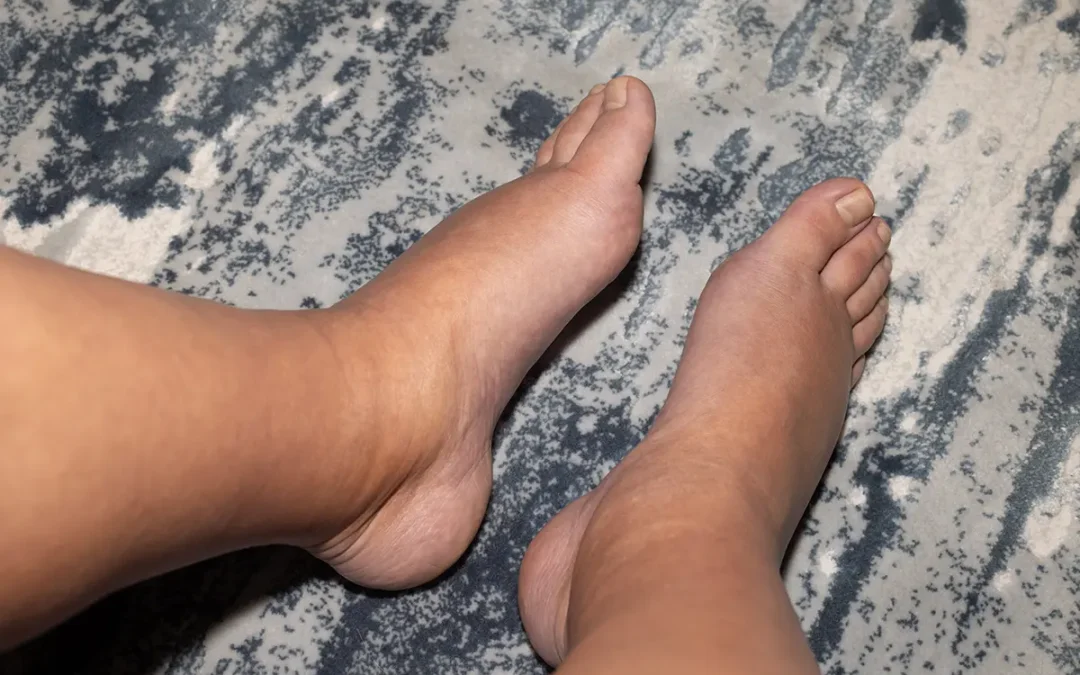
Swelling of the Feet: Understanding Possible Causes
There are many reasons why patients experience swelling of the feet. It is rather common and may be a side effect of pregnancy or from…
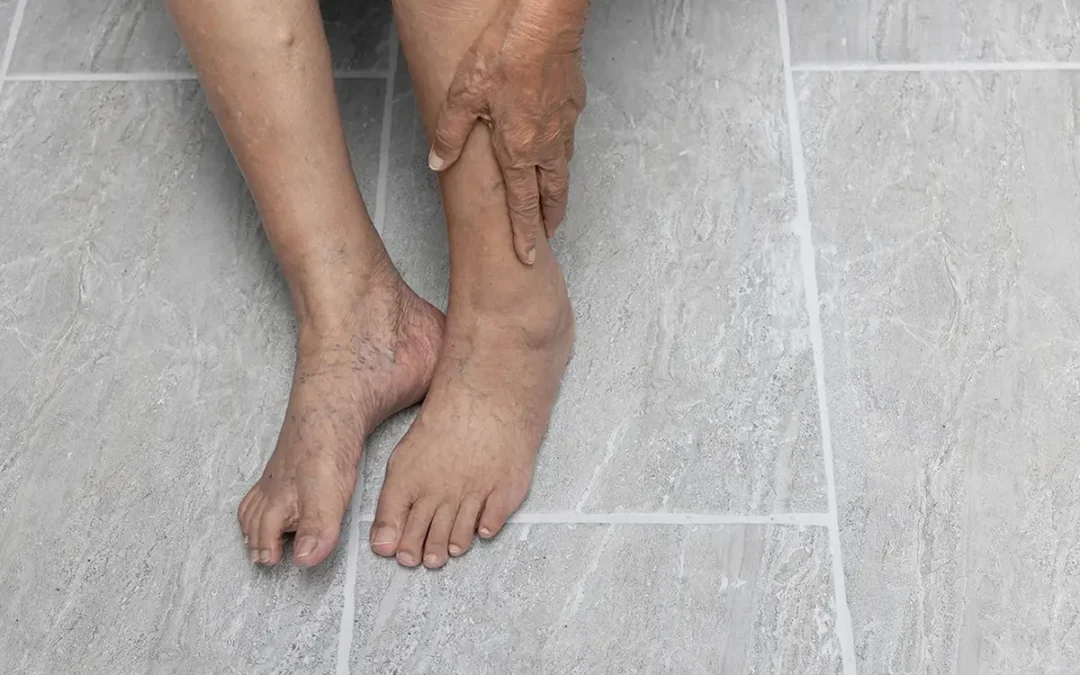
Vascular Foot Testing for Diabetics: Protecting Your Circulation
When a person has diabetes, it is important to have annual foot checks, which might include vascular and possibly other testing of the feet. Neuropathy…
Rigid vs. Soft Orthotics: Choosing the Best Option for Your Feet
Custom orthotics are shoe or heel inserts prescribed by a doctor to help with various foot problems. Orthotics are used to correct foot deformities, help…