Foot Pain in St. Augustine & Palatka, FL
Foot pain can affect every step you take. Whether it starts gradually or comes on suddenly, discomfort in the foot or ankle can interfere with daily activities, work, and exercise. Because the foot is made up of many moving parts, identifying the exact source of pain is critical for finding real relief.
At Coastal Foot & Ankle Wellness Center, our board-certified foot and ankle surgeons in St. Augustine and Palatka take the time to accurately diagnose the cause of your foot pain and build a treatment plan around your unique needs. Patients trust our team for clear answers, effective care, and long-term solutions.
What Is Foot Pain?
Foot pain refers to discomfort anywhere in the foot or ankle. Because the foot contains dozens of bones, joints, ligaments, tendons, and nerves, pain can develop in many different areas. Our foot and ankle doctors specialize in the diagnosis and treatment of:
- Heel Pain – Often caused by plantar fasciitis, heel spurs, or Achilles tendon issues.
- Arch Pain – May be related to flat feet, overuse, or strain on the plantar fascia.
- Ball of Foot Pain – Commonly linked to metatarsalgia, nerve compression, or improper footwear.
- Top of Foot Pain – Can result from stress fractures, tendon irritation, or inflammation.
- Ankle Pain – Often associated with sprains, instability, or arthritis.
What Causes Foot Pain?
Foot pain is commonly caused by inflammation, injury, overuse, or underlying structural problems in the foot and ankle. Some of the most common causes include:
- Plantar fasciitis (heel and arch pain)
- Achilles tendinitis (pain at the back of the heel)
- Heel spurs
- Ankle sprains or instability
- Arthritis
- Gout
- Nerve compression or neuropathy
- Stress fractures or acute fractures
- Tendon injuries
- Improper foot alignment or biomechanics
- Infections or inflammatory conditions
Because your feet support your entire body weight, even small structural issues can lead to ongoing discomfort if not addressed.
Symptoms that May Accompany Foot Pain
Foot pain often presents alongside other symptoms that can help identify the cause. You may notice:
- Swelling
- Redness or warmth
- Stiffness or limited motion
- Sharp, stabbing pain or dull aching
- Pain that worsens with activity
- Tenderness when touching a specific area
You may also experience foot pain when walking, standing for long periods, or first getting out of bed in the morning. If symptoms persist or worsen over time, it’s important to seek evaluation rather than relying on temporary relief methods.
Why Foot Pain Should Not Be Ignored
Many people try to “push through” foot pain, especially if it starts mildly. However, untreated foot conditions can worsen and lead to:
- Changes in walking pattern (gait)
- Increased strain on knees, hips, and lower back
- Reduced mobility and activity levels
- Chronic inflammation or long-term damage
Early treatment not only relieves pain faster but also helps prevent more serious complications.
How Foot Pain Is Treated
Effective treatment starts with understanding why your foot hurts. Pain in the heel, arch, forefoot, or ankle can come from very different conditions, so your care plan must be built around your specific diagnosis, not just your symptoms.
Step 1: Evaluation and Diagnosis
During your appointment at our St. Augustine or Palatka podiatry clinic, your doctor will perform a detailed evaluation of your symptoms, medical history, and foot mechanics. This may include a physical exam, gait analysis, and imaging if needed. Based on your diagnosis, we will create a personalized treatment plan designed to relieve pain, restore function, and prevent recurrence.
Step 2: Reduce Stress on the Foot
Once the cause is identified, treatment focuses on relieving strain and improving function. This may include:
- Custom orthotics to correct alignment and redistribute pressure
- Footwear guidance based on your activity level
- Bracing or support for injured tendons or joints
- Activity adjustments to allow healing
Step 3: Restore Strength and Function
As pain improves, we focus on preventing recurrence through:
- Stretching and strengthening programs
- Improving gait and movement patterns
- Ongoing support for chronic conditions when needed
When Advanced Care Is Needed
If symptoms do not improve or the condition is more severe, additional options such as cortisone injections, advanced imaging, or surgical treatment may be recommended. When surgery is necessary, it is carefully planned to restore stability, reduce pain, and improve long-term mobility.

When to See a Podiatrist for Foot Pain
You should schedule an appointment if:
- Pain persists for more than a few days.
- Symptoms worsen with activity.
- Swelling or redness does not improve.
- You have difficulty walking or bearing weight.
- Pain returns repeatedly.
- You have diabetes or circulation issues and develop foot pain.
Prompt evaluation is especially important for preventing complications and identifying more serious conditions early.
Why Choose Coastal Foot & Ankle Wellness Center
Our board-certified foot and ankle surgeons, Dr. José Concha, Dr. Roman Ivankiv, and Dr. Richard Johnson, bring over seven decades of combined experience in diagnosing and treating complex foot and ankle conditions. Our team is committed to providing patient-centered care using evidence-based treatments and the latest advancements in podiatric medicine.
At Coastal Foot & Ankle Wellness Center, every foot pain treatment plan starts with a thorough assessment of your symptoms, movement, medical history, and underlying biomechanics. This ensures accurate diagnosis and effective treatment plans.
With convenient locations in St. Augustine and Palatka, we’re proud to provide expert podiatric care to patients across North Florida who want to get back to walking comfortably and confidently.
FAQs About Foot Pain
How do I know if it’s arthritis or just a strain?
Arthritis develops gradually with persistent joint pain and stiffness that doesn't improve with rest. Strains occur suddenly after injury and typically heal within a few weeks.
Can this arthritis spread to other areas of the body?
Arthritis doesn't spread like an infection, but certain types, like rheumatoid arthritis, are systemic conditions that can affect multiple joints throughout the body simultaneously. Osteoarthritis develops independently in different joints over time due to wear and tear, not by spreading from one area to another.
Schedule an Appointment
If you are experiencing foot pain, don’t wait for it to interfere further with your daily life. Contact Coastal Foot & Ankle Wellness Center today to schedule an evaluation.
We care for patients across St. Augustine, Palatka, and surrounding North Florida communities who want lasting relief from foot pain and a clear path back to normal activity.

Services

Aftercare

Testimonials

Forms
Related Procedures
Related Blog Posts
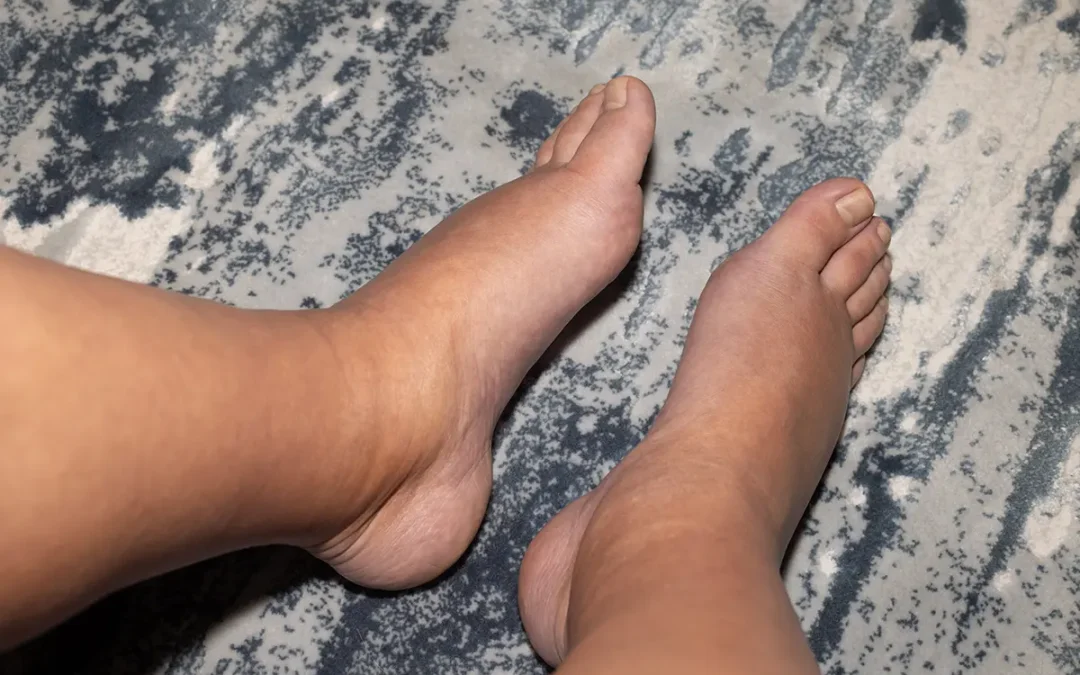
Swelling of the Feet: Understanding Possible Causes
There are many reasons why patients experience swelling of the feet. It is rather common and may be a side effect of pregnancy or from…
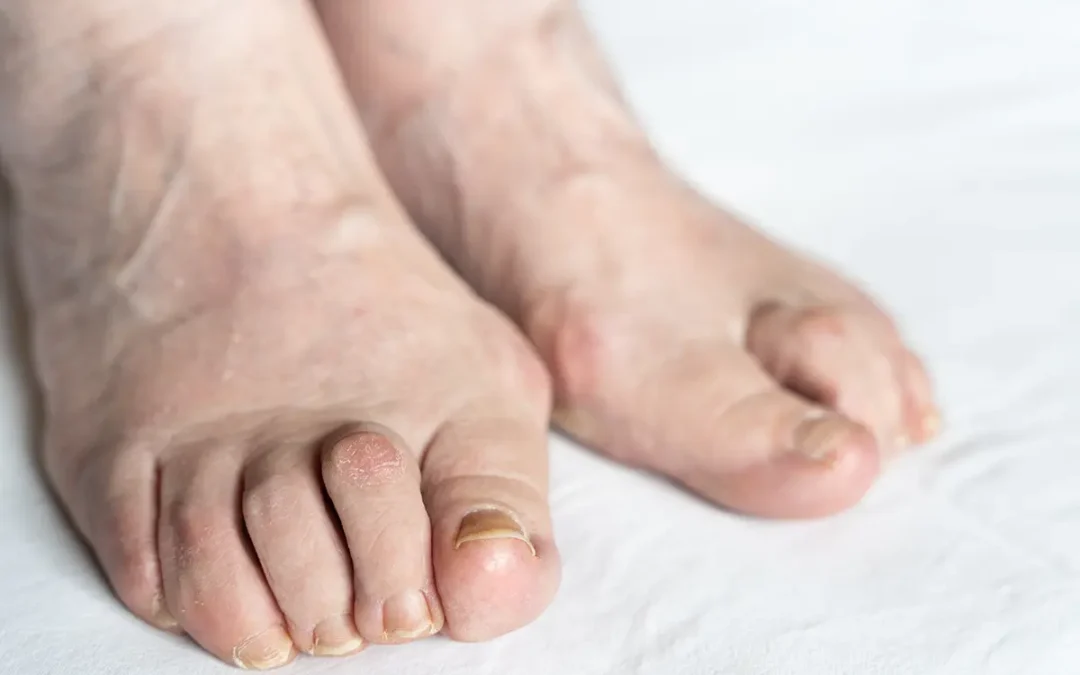
Hammertoe Is a Common Deformity
A hammertoe is one of the most common toe deformities in which one or more of the little toes bends abnormally at the middle joint,…

What Is Morton’s Neuroma? Signs and Treatment
Morton’s neuroma, (also referred to as Morton’s metatarsalgia, Morton’s neuralgia, plantar neuroma or intermetatarsal neuroma) is a condition that is caused when the tissue around…

Preventing Running Injuries
Over half of all runners encounter at least one injury per year. The reason for this is because many runners do not train properly. Injuries…

Foot Problems That Can Affect Runners
Running is a high-impact activity that can lead to a variety of foot-related issues, especially when shoes do not fit well or training is too…

How Heel Pain Can Be Treated Effectively
Do you suffer from heel pain when you get up in the morning? If so, you should seek professional help and have a proper diagnosis…

Heel Pain: Common Causes and When to Seek Help
Heel pain is a common and sometimes debilitating condition that can significantly impact daily activities. Many people notice sharp pain in the heel with their…

Heel Pain Can Indicate Bursitis: What You Need to Know
If you are experiencing heel pain, it could be a sign of bursitis, which is an inflammation of the fluid-filled sacs, or bursae, located at…

Achilles Tendon Injuries: What You Need to Know
The Achilles tendon is the largest tendon in the body; it is a tough band of fibrous tissue that stretches from the bones of the…
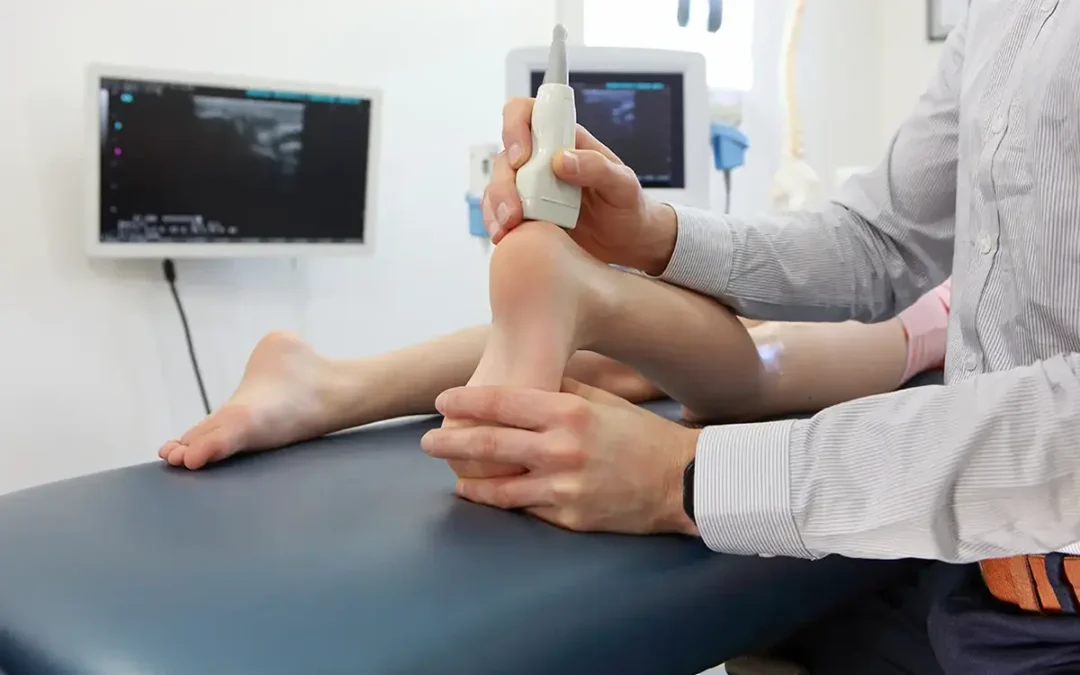
Achilles Tendon Injuries in Children and Teens: What to Watch For
Although Achilles tendon injuries are more common in adults, they can also affect active children and teenagers. This strong tendon connects the calf muscles to…