Choosing the right walking or running shoe is essential for foot health, comfort, and injury prevention. Although walking shoes and running shoes look similar at first glance, they have important structural differences. Runners should avoid running in walking shoes and vice versa, as each activity places unique demands on the feet. An improper choice can lead to issues like blisters, heel pain, plantar fasciitis, and other injuries.
Running shoes are typically designed with flexibility in the forefoot, a low heel to support different strike patterns, and more cushioning for shock absorption. When shopping, check that the running shoe allows the forefoot to bend and flex, but is supportive and structured through the rest of the shoe. Visit a reputable shoe store to have your feet properly measured, remembering sizes can vary between brands. The fit should be snug, not too tight or loose, and the toe box should allow adequate wiggle room.
Walking shoes, on the other hand, are built for more even weight distribution. Their soles are especially flexible through the ball of the foot to accommodate the rolling motion of walking. Extra arch support and cushioning help comfort the foot during long walks or time spent on hard surfaces. For both running and walking, moisture-wicking socks help reduce blisters and keep feet dry.
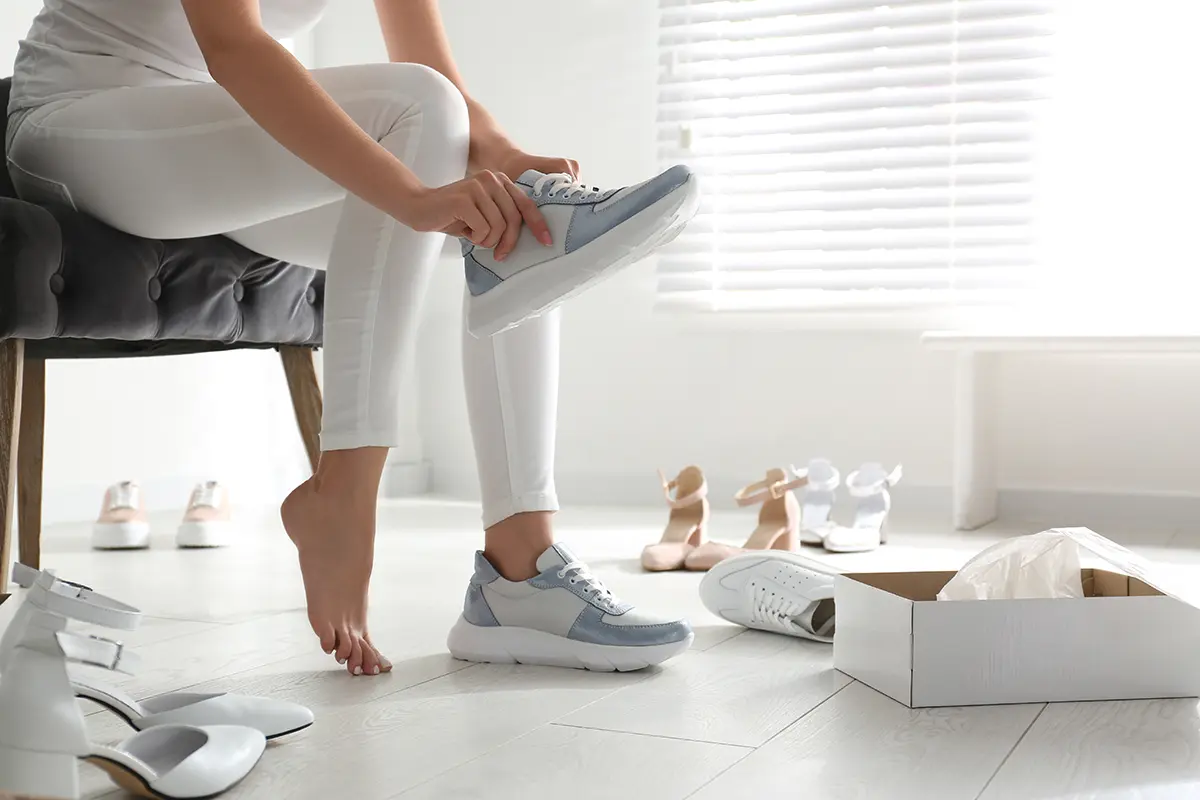
When trying on shoes, do so at the end of the day or after a walk, when your feet are largest. Have both feet measured, as sizes naturally differ. Walk around in the shoes before purchasing to test comfort and fit. Lacing technique, such as a heel lock, can help prevent slippage and increase stability. Always replace shoes when they become worn out—typically after 300 to 500 miles of use for runners.
Above all, choose shoes that are comfortable immediately in the store; there is no such thing as “breaking in” uncomfortable shoes. For custom fit needs or persistent foot pain, consult a podiatrist, who can evaluate your feet, suggest the best shoe and sock combination, and provide guidance or custom orthotics if required. Wearing the appropriate shoe for each activity will help you stay pain-free, active, and healthy.