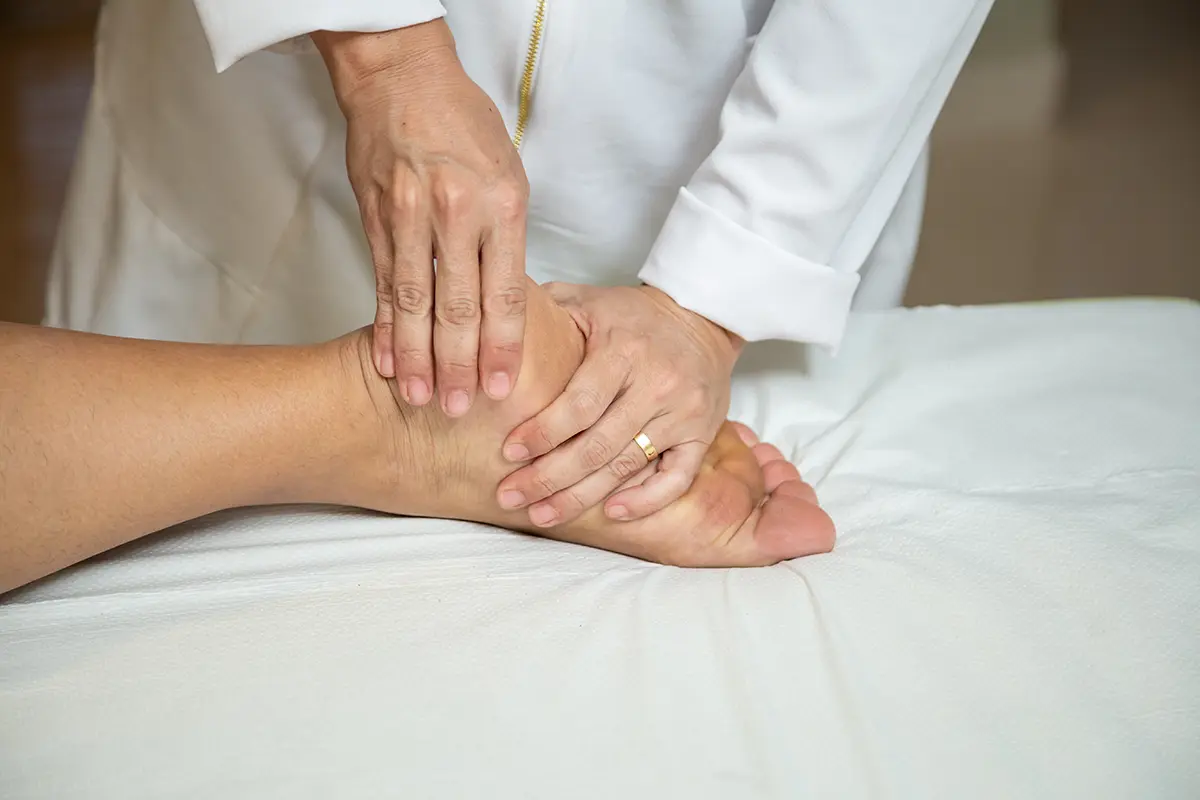
Heel pain is a common and sometimes debilitating condition that can significantly impact daily activities. Many people notice sharp pain in the heel with their first step out of bed or after sitting for a while; the pain often radiates into the arch and may ease with movement, only to return after periods of rest. Running and walking both place significant stress on the heel, as it is the main point of contact with the ground and absorbs the body’s full weight.
Causes of Heel Pain
The most prevalent cause of heel pain is plantar fasciitis. This is an inflammation or tearing of the plantar fascia, a band of tissue that runs along the bottom of the foot from the heel to the toes. Plantar fasciitis pain typically worsens with the first steps in the morning and is aggravated by standing, walking, or running. Other causes of heel pain include:
- Achilles Tendonitis – Inflammation of the Achilles tendon can cause pain in the back of the heel, often related to overuse, lack of ankle flexibility, or stress fractures. If left untreated, this can contribute to the development of plantar fasciitis and greater heel discomfort.
- Heel Spurs – Chronic stress on the plantar fascia may separate the ligament from the heel bone, leading to a bony growth called a heel spur. Heel spurs may or may not cause additional pain, but are commonly associated with plantar fasciitis.
Other causes of heel pain include trauma (like stepping on a hard object or a sudden injury), arthritis, improperly fitted shoes, weight changes, and participating in sports without appropriate preparation or conditioning.
Treatment and Prevention
Early treatment is important to prevent heel pain from becoming a chronic issue. Non-steroidal anti-inflammatory drugs (NSAIDs) can reduce pain and swelling. Stretching before exercise, using athletic taping, resting the foot, and changing to properly fitted, supportive shoes are all helpful. Physical therapy and custom orthotics can also address underlying causes and relieve strain on the heel. In more severe cases, corticosteroid injections or surgery may be required.
The best way to prevent heel pain is to wear supportive shoes in good condition, warm up and stretch before high-impact activities, and address any pain in the heel promptly with the help of a podiatrist. Ignoring persistent pain or continuing activity without treatment can make conditions worse, so early intervention is key for relief and a return to full activity.