Foot Health Articles
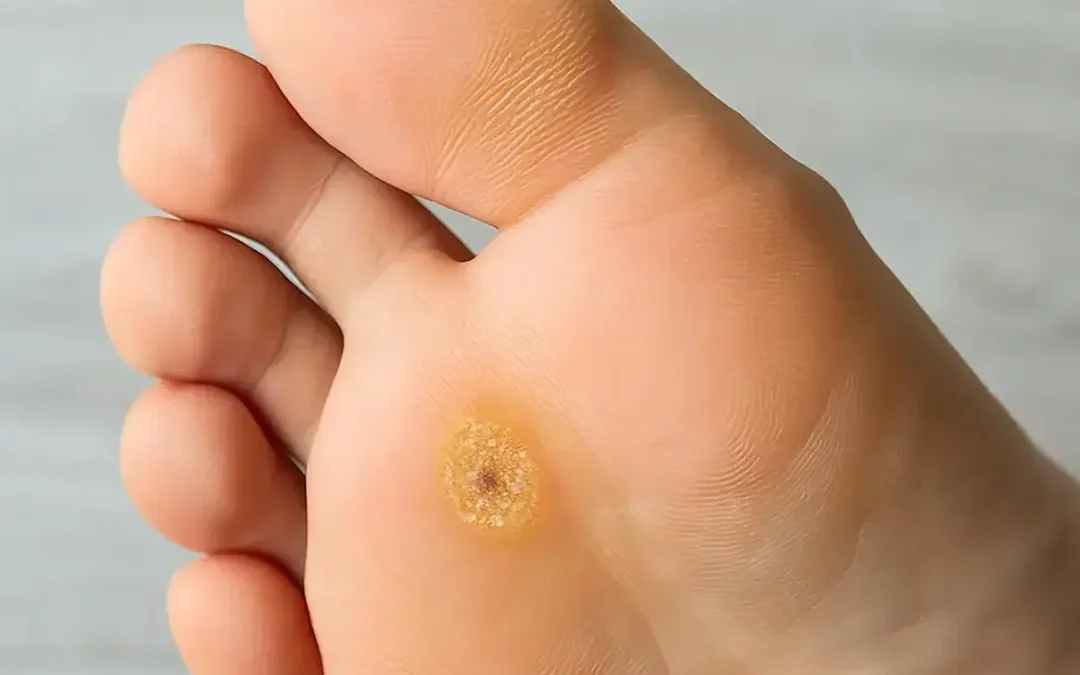
What Are Plantar Warts?
Plantar warts are growths that typically appear on the heels or other weight-bearing areas of the feet. These warts are caused by the human papillomavirus (HPV). The virus enters the body through breaks in the skin, such as cuts, that are on the bottom of the feet....
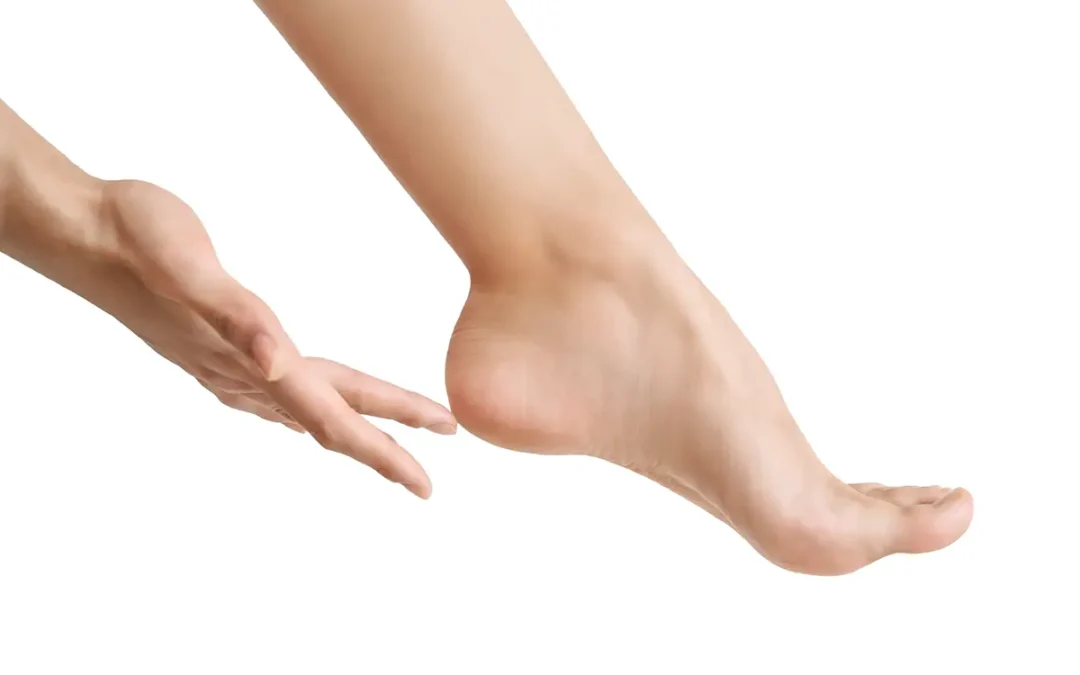
How to Prevent Heel Fissures and Keep Your Feet Smooth
Cracked heels, or heel fissures, can look quite unattractive and can feel uncomfortable. This condition can affect a wide variety of individuals and it occurs when the skin on the back of the heels becomes so incredibly dry that the skin breaks or cracks. There are...
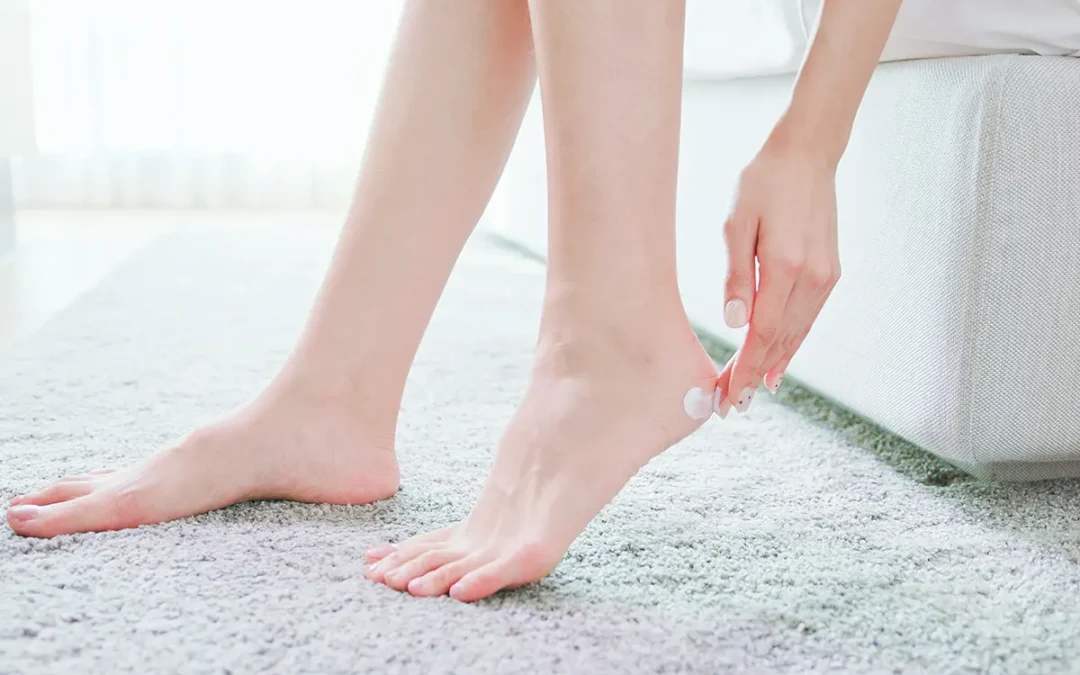
Simple Solutions for Cracked Heels
Cracked heels can make life very frustrating and embarrassing when displaying the bare feet. Aside from being unpleasing to the eye, they can also tear stockings and socks and wear out shoes at a faster rate. When severe, cracked heels may cause pain or infection....

Big Toe Stretches to Improve Flexibility and Reduce Pain
Having foot and ankle pain is common among many people. The feet will feel better when they are frequently stretched. They will also have increased flexibility and range of motion. It is suggested that stretching the feet become part of a daily exercise regime, and...
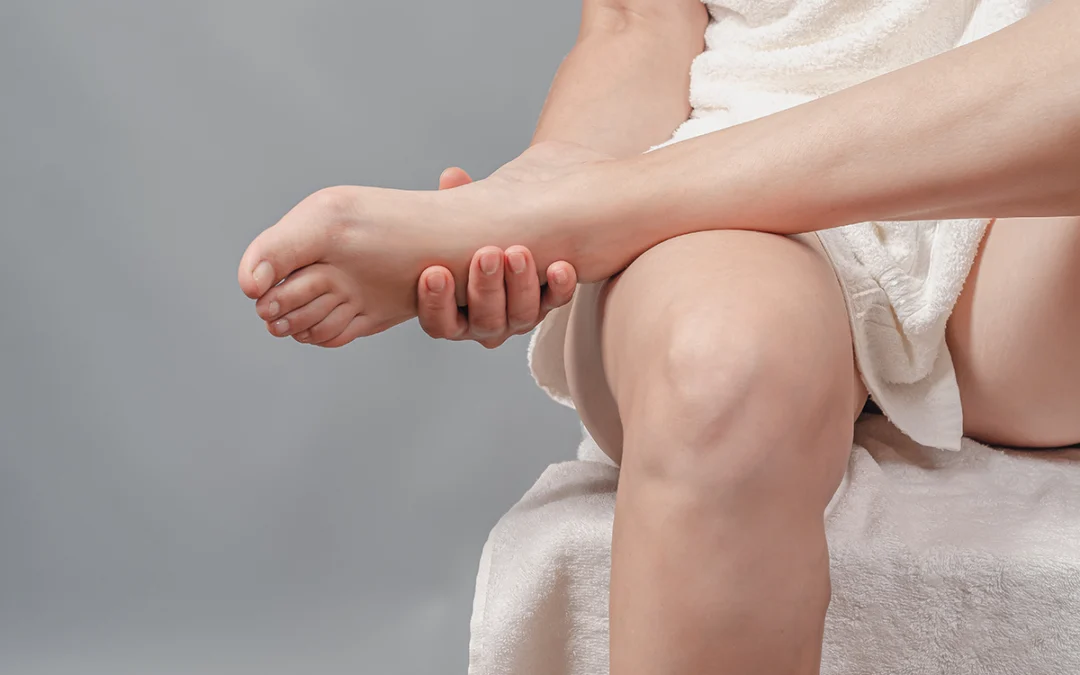
How to Stretch Your Feet Properly
Your feet endure a great amount of stress each day from constantly allowing us to move around. It is important to stretch your feet to help prevent them from becoming injured. Your toes may easily deform into unhealthful positions if they are not stretched. One of the...
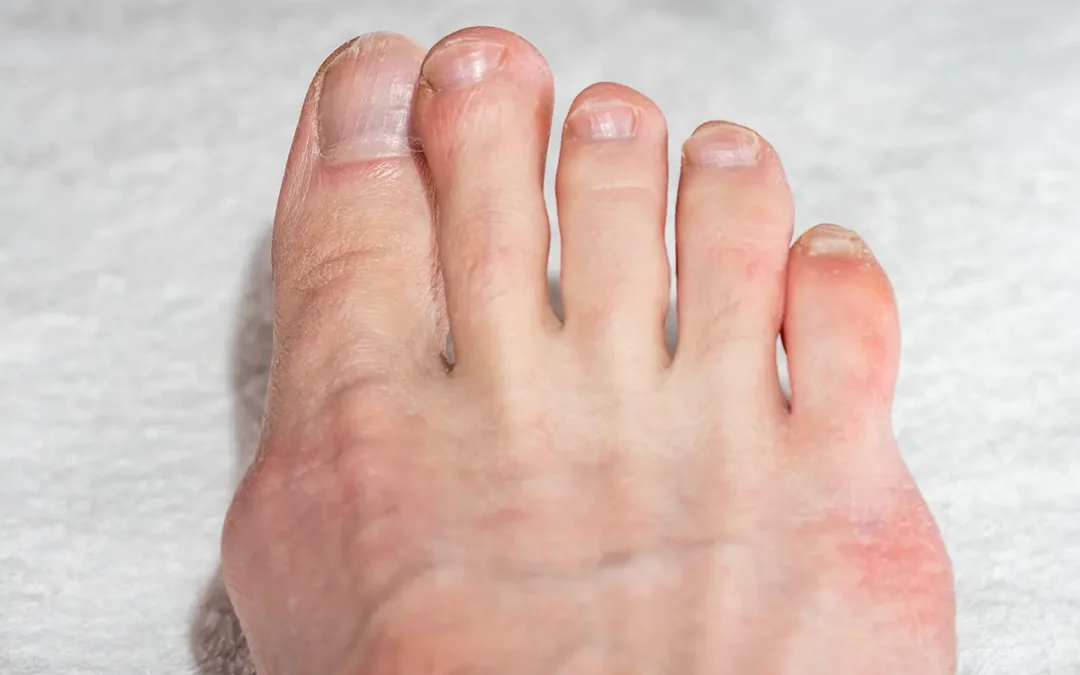
What Causes Crooked Toes and How to Prevent Them
Some people are born with crooked toes, and others acquire them over time. Common types of crooked toes are curly toes, hammertoe, mallet toe, claw toe, overlapping toe, and adductovarus toe. Curly toes are generally congenital, where the third or fourth toe of the...
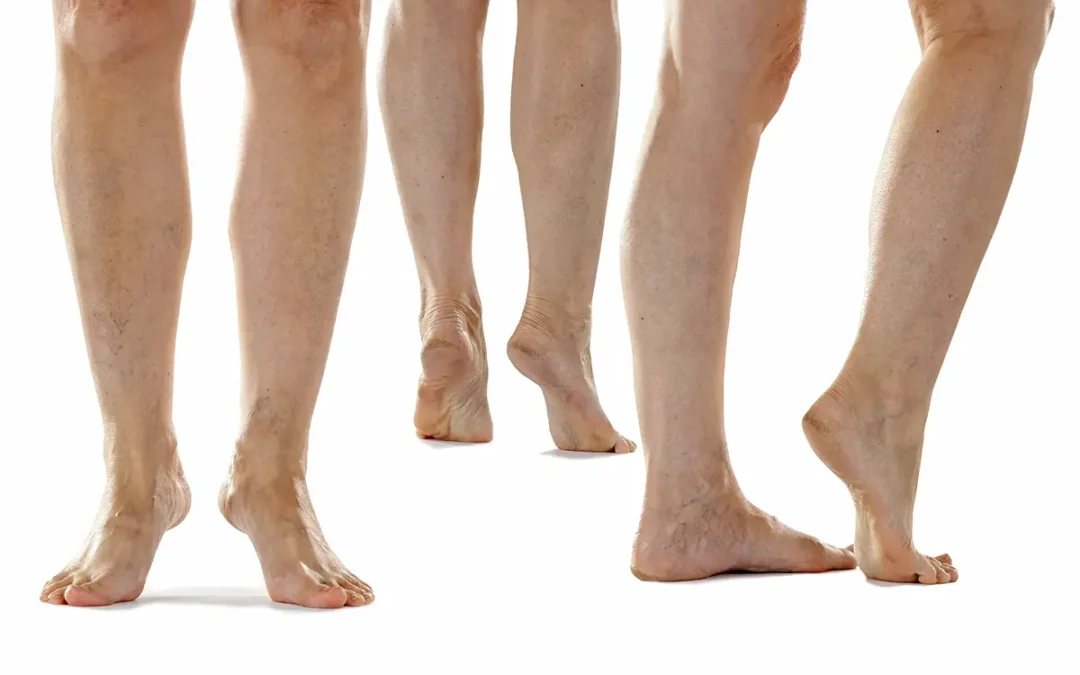
Causes, Symptoms, and Treatment of Poor Blood Circulation in the Feet
Poor blood circulation in the feet and legs is often caused by peripheral artery disease (PAD), which is usually the result of a buildup of plaque in the arteries. Plaque buildup, or atherosclerosis, can be the result of excess calcium and cholesterol in the...
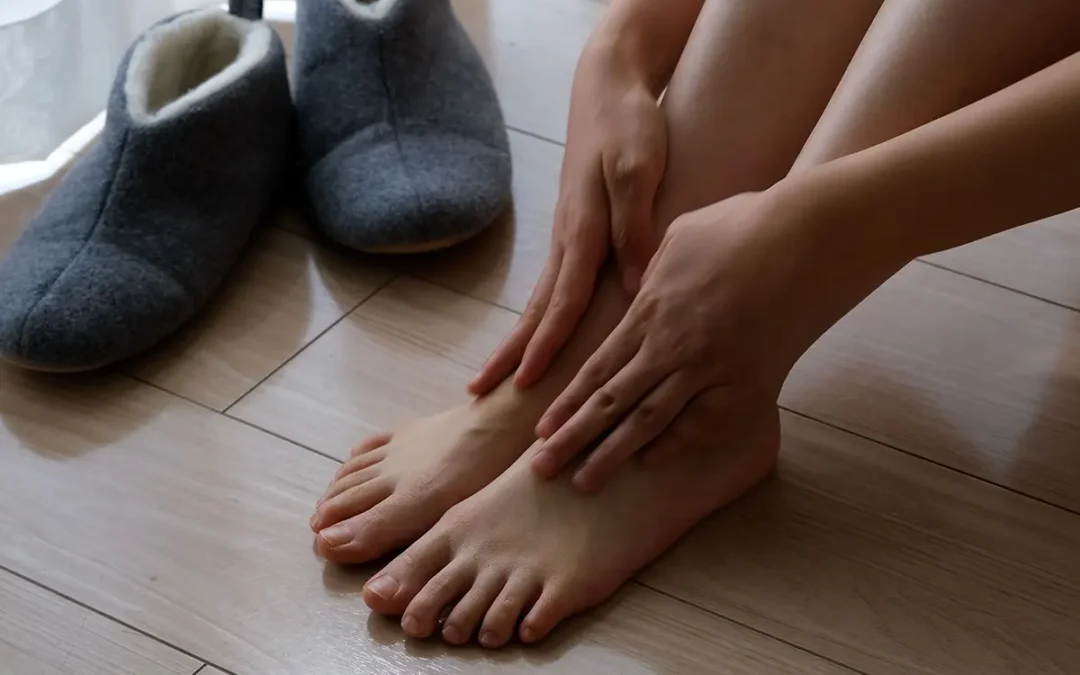
Signs of Poor Circulation in the Feet: What to Watch For
A variety of individuals across the country may exhibit poor circulation in their feet at some point in their lives. Poor circulation is essentially caused when the feet do not receive adequate blood flow. Certain individuals are more susceptible to this condition...
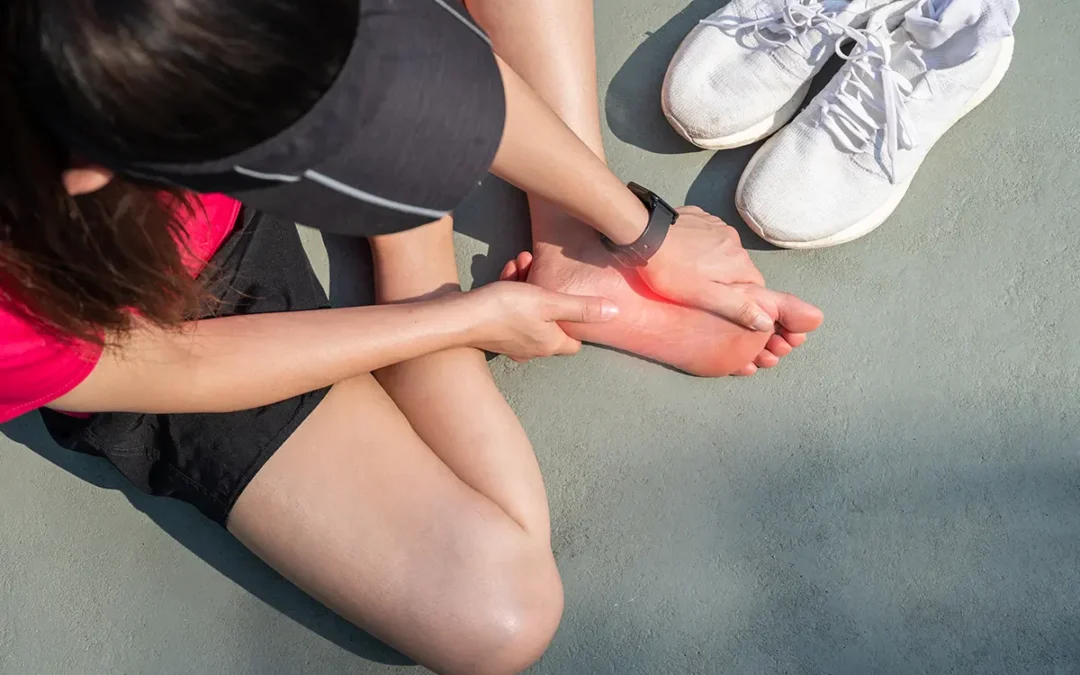
Runners and Heel Spurs: Managing Pain While Staying Active
Heel spurs can be a pesky annoyance that may keep a runner off of the running track. Heel spurs are essentially bony outgrowths that can develop on the bottom of the heel facing inward. These heel spurs are typically made up of calcium deposits and they can cause...
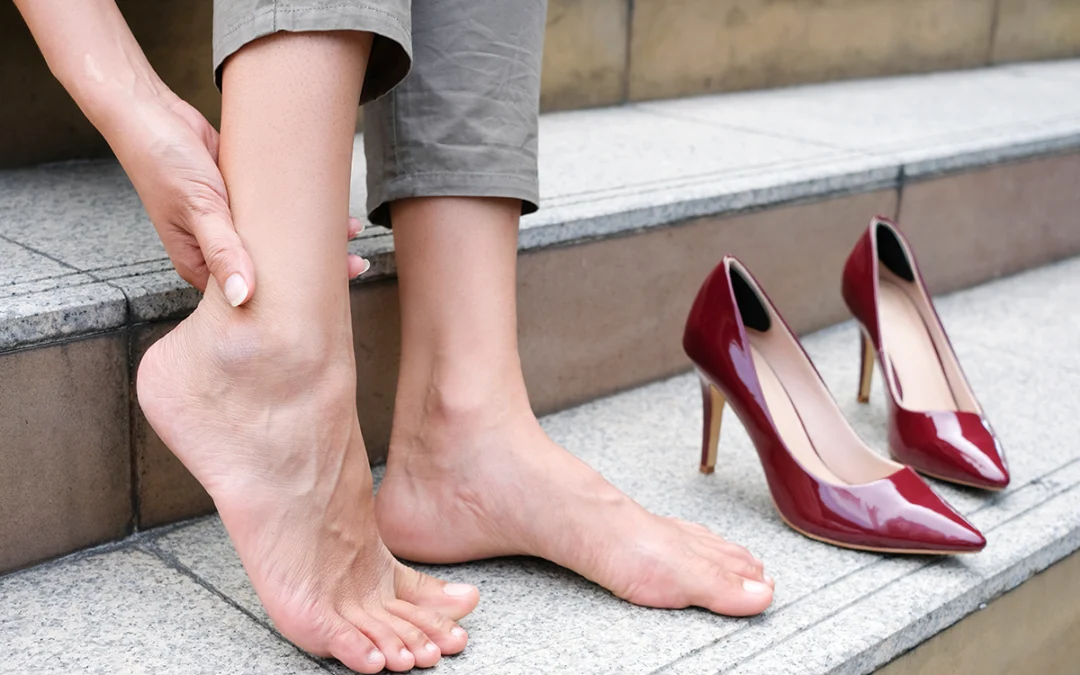
Heel Spurs: Causes and Treatment
Heel spurs are the result of calcium deposits that cause bony protrusions on the underside of the heel. Heel spurs are usually painless, but they have the potential to cause heel pain. Heel spurs tend to be associated with plantar fasciitis, which is a condition that...
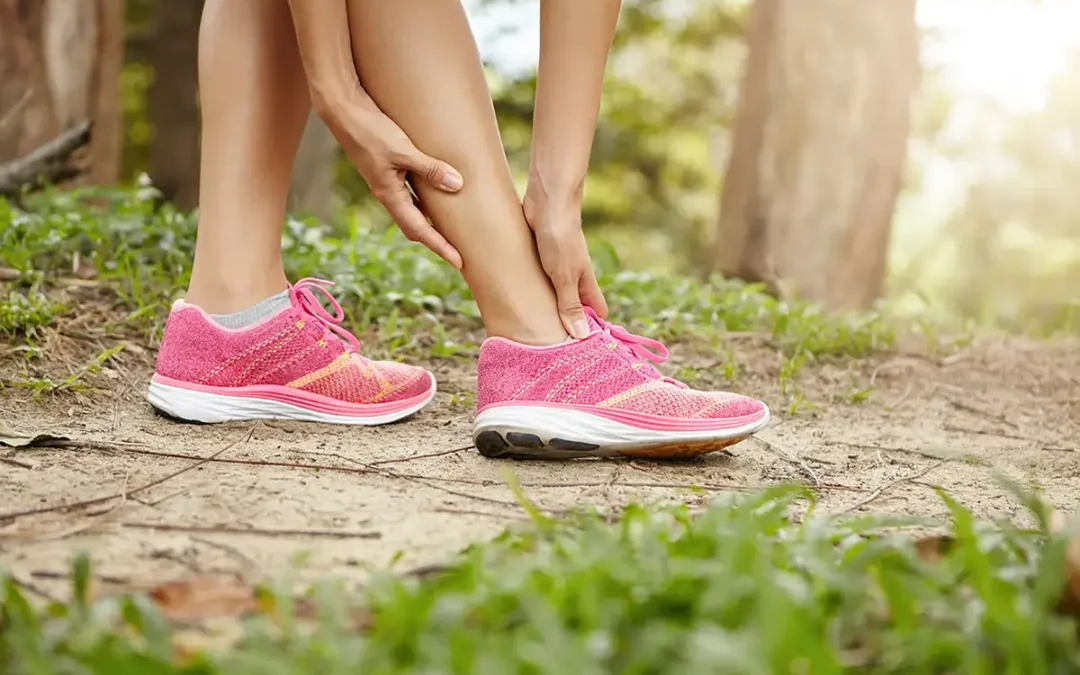
Common Causes of Ankle and Leg Pain You Should Know About
The ankles and legs put in a full day’s work for most people. As a result, when they cause pain, many of your normal activities can be disrupted. A large majority of pain to the legs and ankles is caused by injury to bones, muscles, joints, and ligaments. Blood clots,...
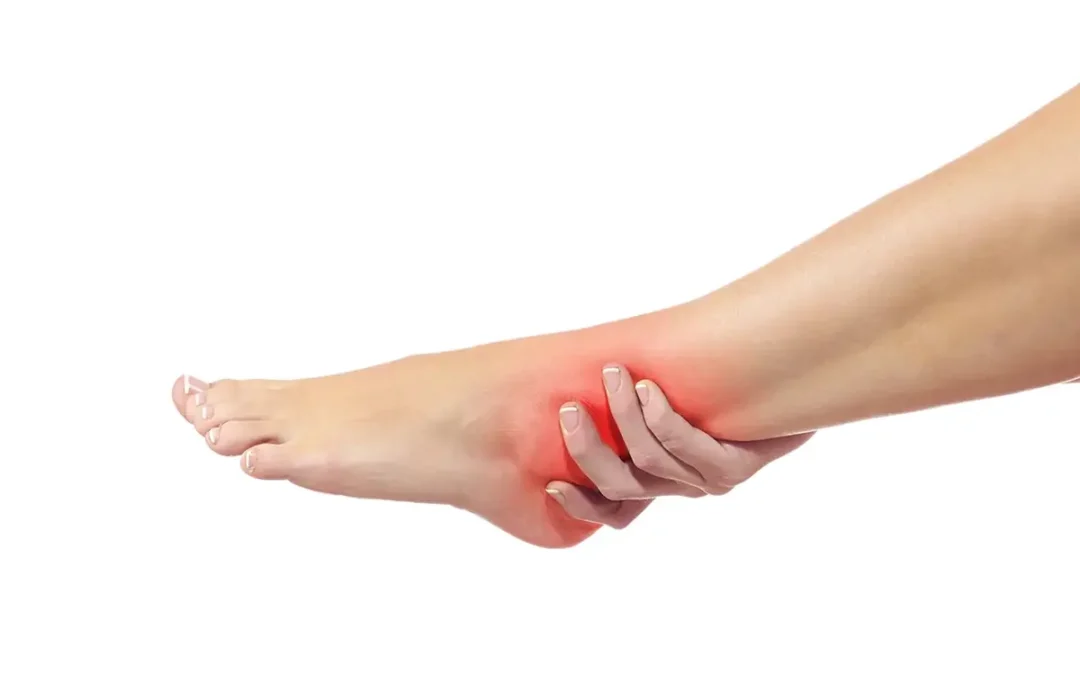
Understanding Ankle Pain: Causes and Treatment Options Explored
The ankle joint is the point at which the bones of the leg and foot join. This joint is crucial because it is responsible for the foot’s mobility. Ankle pain is typically the result of inflammation from an injury to bones, joint space, cartilage, ligaments, tendons,...
A Diabetic’s Checklist for Protecting Foot Health Every Day
Anyone with diabetes is subject to foot and lower leg problems, including ulcers, gangrene, and possible amputation. These conditions may be the result of long-term high blood sugar levels, which can cause neuropathy and peripheral artery problems. For that reason, as...
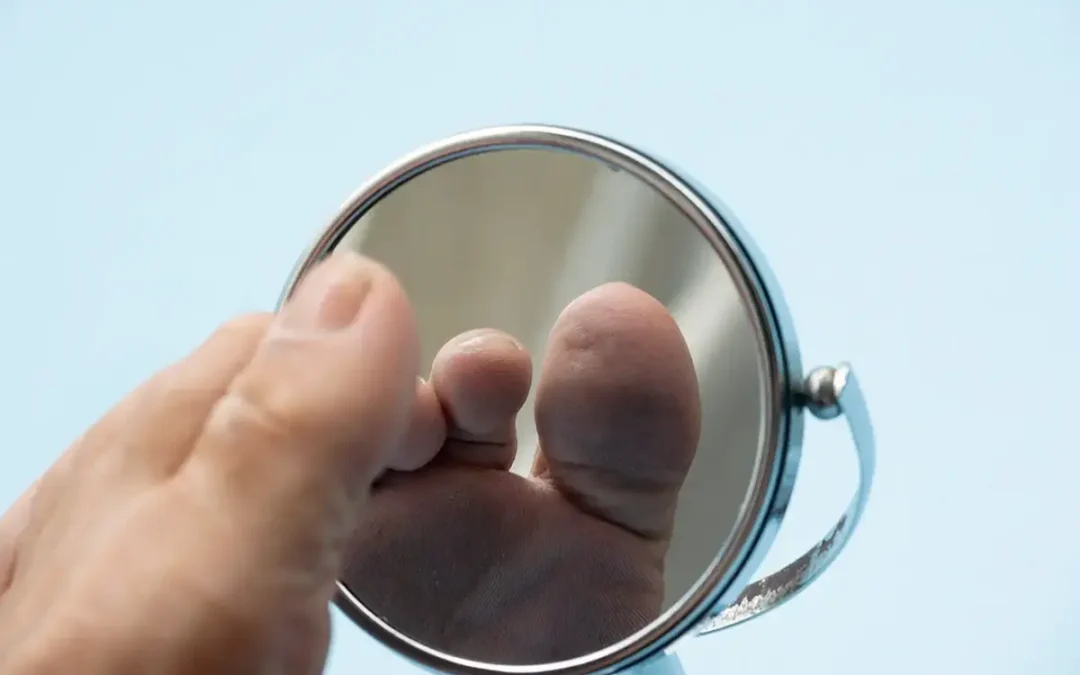
Diabetic Foot Conditions: What to Look For and How to Manage Them
Diabetes is the condition in which the body does not properly process food for use as energy. People with Type 1 diabetes cannot produce insulin, which is required for glucose to feed your body’s cells. It is typically caused by the immune system mistaking healthy...
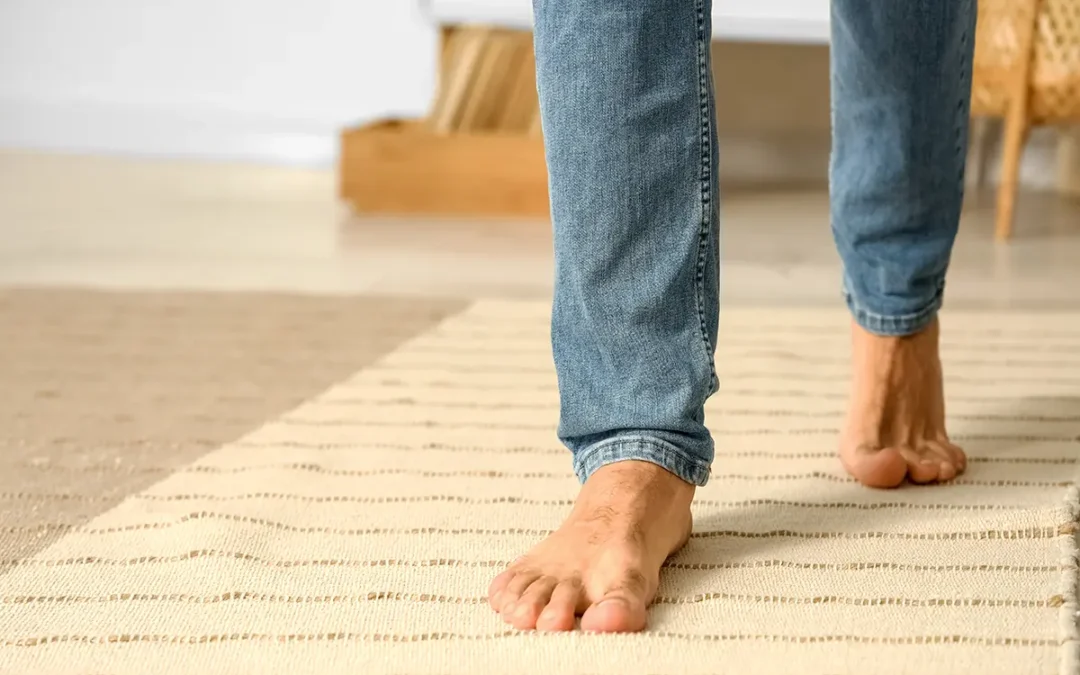
Indoor Walking Exercises to Strengthen Your Toes and Improve Balance
When babies are born, their feet are generally soft. Proper foot development is essential in developing gross motor skills, such as walking, standing, running, and jumping. The bones typically strengthen under stress, and this is crucial for performing these motor...

How Footwear Choices Affect Hammertoe Development and Relief
To maintain healthy, strong feet, it is imperative to be familiar with common foot conditions, their causes, and how to prevent them. One troubling foot affliction that could threaten the vitality of your feet is called hammertoe, which has a notable causal...
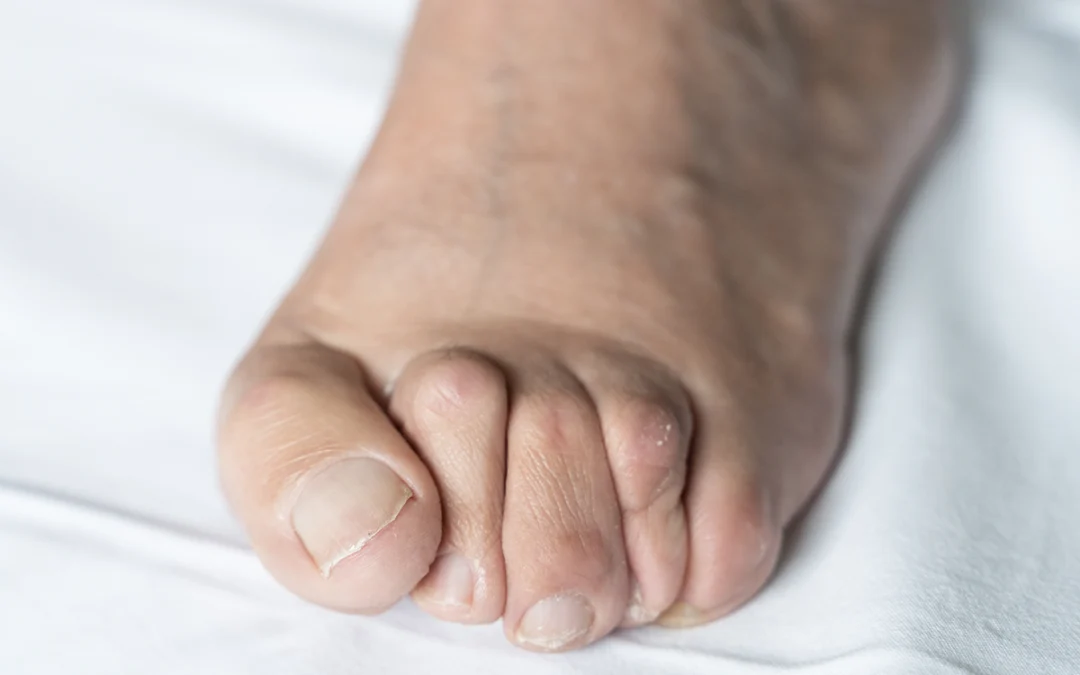
What Are Hammertoes? Symptoms and Solutions
Hammertoes are painful deformities that frequently form on the second, third, or fourth toe. The condition is often caused by an issue in foot mechanics. This can be caused by the person’s specific gait or the manner in which they walk, or by shoes that do not...
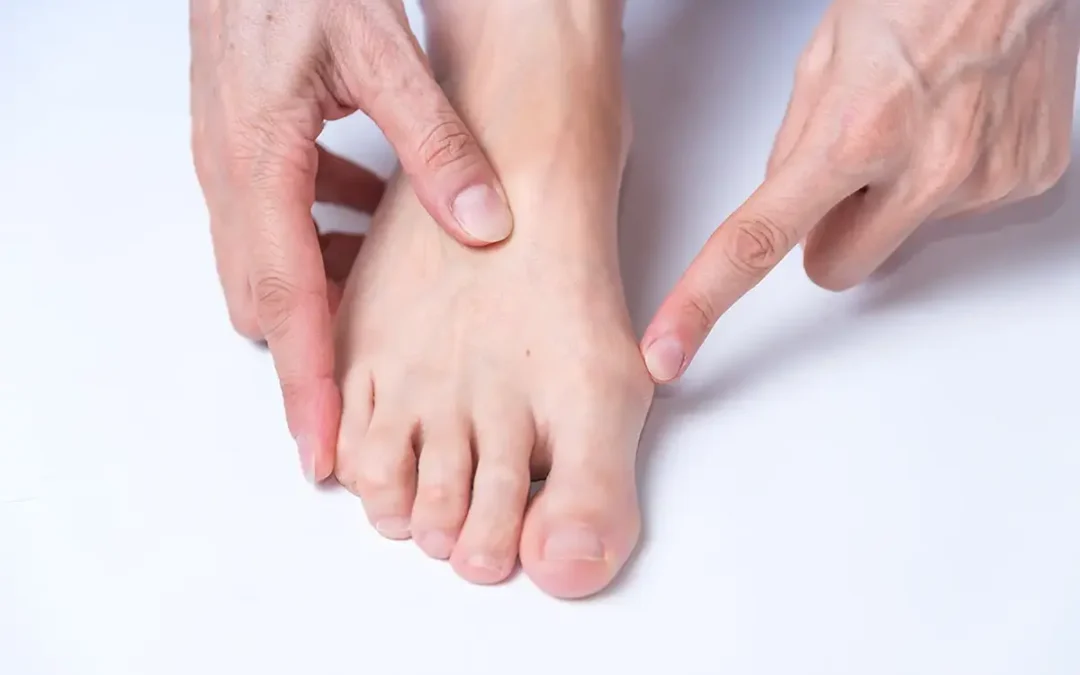
How Runners Can Address Bunions to Continue Training Pain-Free
Running is one of the most popular and widespread forms of exercise. Yet, bunions can often make this activity challenging or even painful. There are a variety of ways that individuals can manage the effects of bunions and continue to run. Bunions are bumps that occur...

Common Symptoms of Morton’s Neuroma and When to Seek Help
Research has indicated that the foot condition known as Morton’s neuroma is generally simple to diagnose. The common symptoms that many people experience with this ailment can include a tingling sensation between the second and third toes, or the fourth and fifth...
Morton’s Neuroma: Causes, Symptoms, and Care
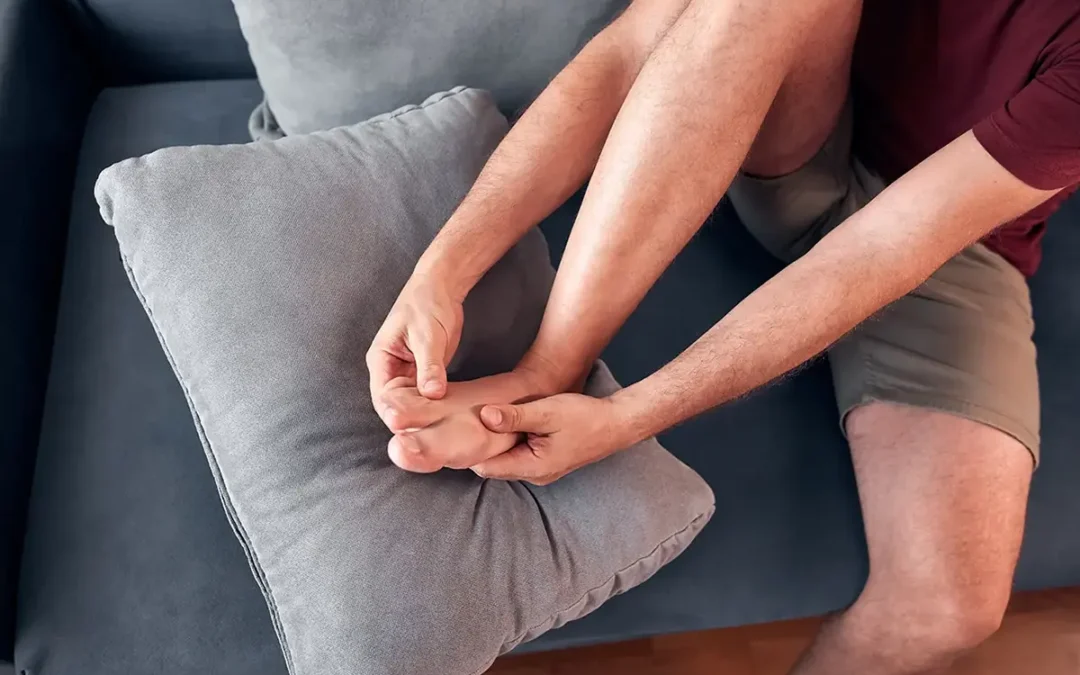
Morton's Neuroma, also called Intermetatarsal Neuroma or Plantar Neuroma, is a condition that affects the nerves of the feet, usually the area between the third and fourth toe. Neuroma refers to a benign growth that can occur in different parts of the body. Morton's...
Dealing with Painful Ingrown Toenails: Prevention and Treatment
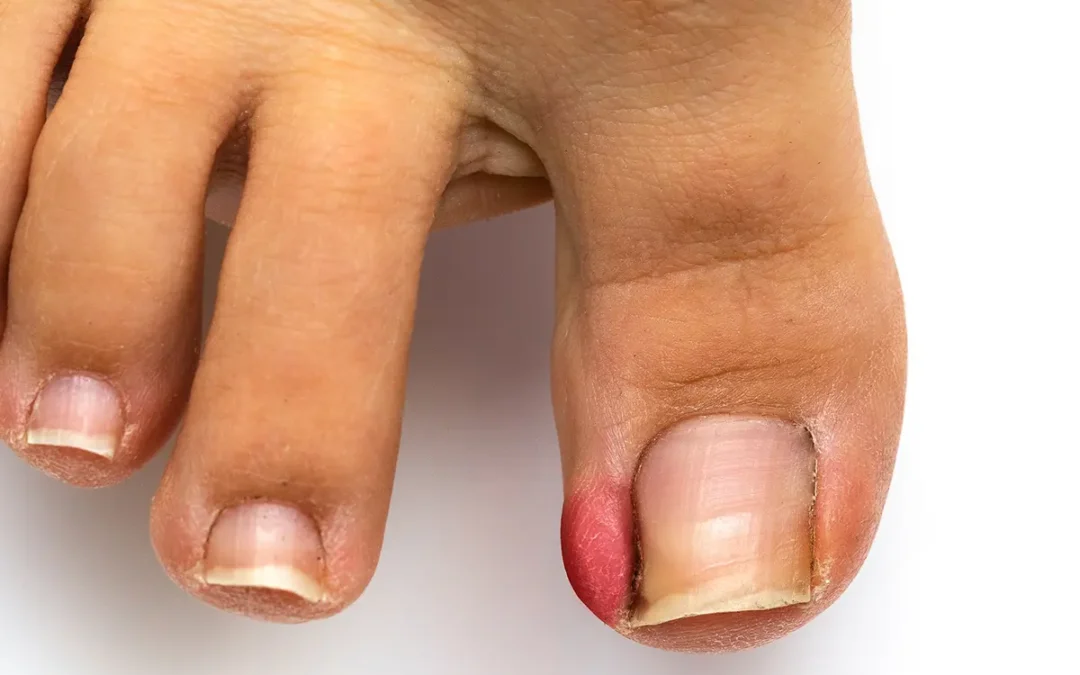
Ingrown toenails are often painful. They typically develop due to wearing shoes that do not fit correctly and this can force the nail to grow into the surrounding skin. Furthermore, they can occur by improperly trimming the toenails or result from a toe injury. In...
What You Should Know About Ingrown Toenails
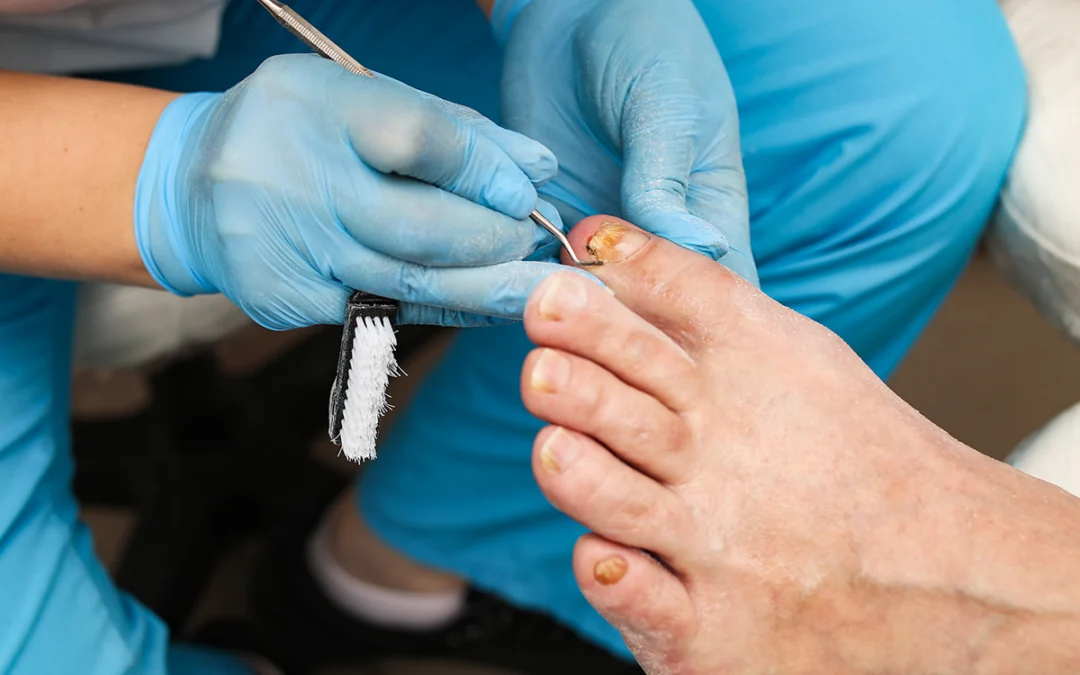
Ingrown toenails (onychocryptosis) are a common foot ailment and it is very unpleasant to experience. The condition is caused by an increase in pressure from the ingrowth of the nail edge into the skin of the toe. Ingrown toenails commonly cause pain in those who...
Osteoarthritis of the Big Toe: Causes, Symptoms, and Treatment
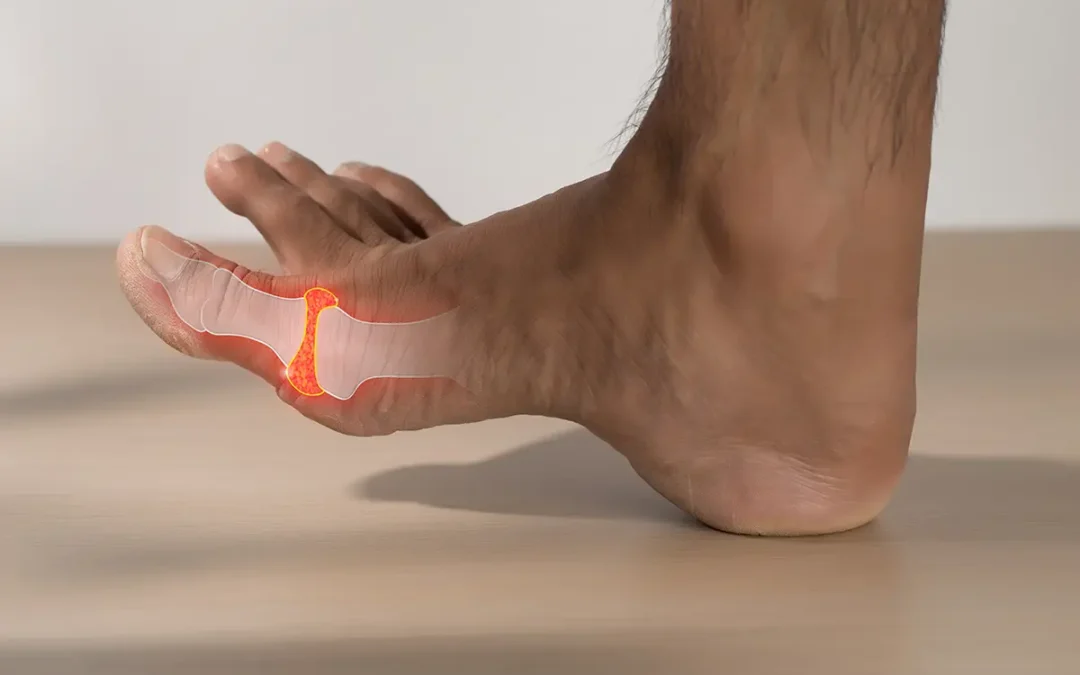
Osteoarthritis or OA is a common form of arthritis that can affect any joint in the body. This type of arthritis generally increases with age, and those who are obese, have a genetic predisposition to it, or a prior joint injury are at higher risk. Cartilage in joints...
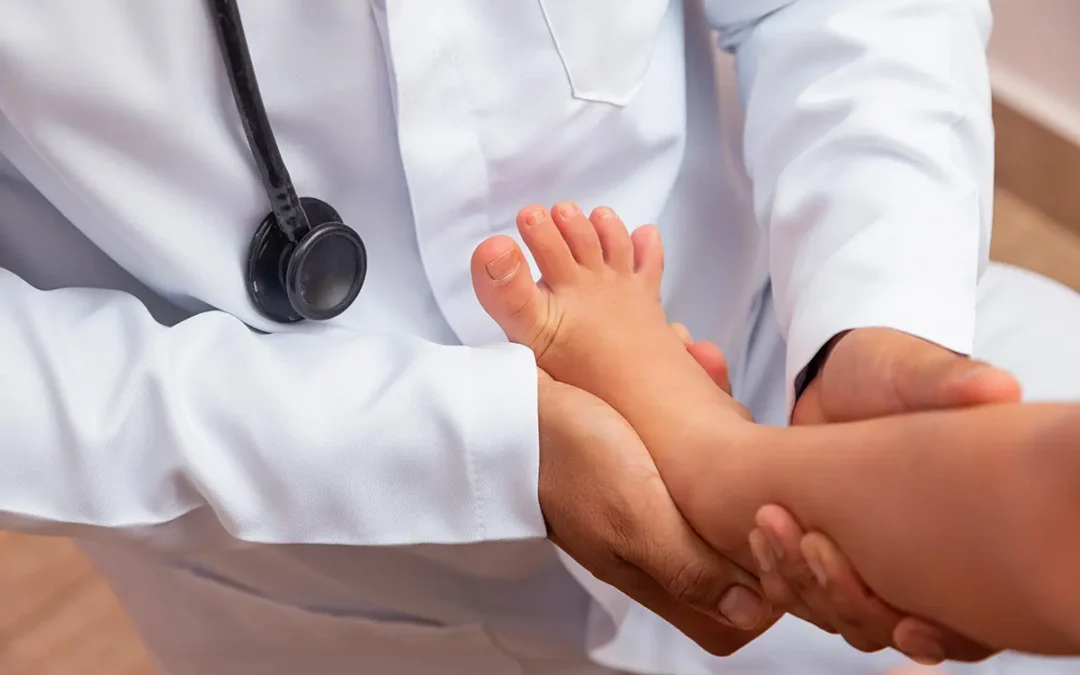
Foot Conditions in Children That Can Be Prevented With Early Care
Many experts think it's important for parents to have their children walk barefoot as often as possible. This is beneficial in strengthening the entire foot. Additionally, the toes can become stronger and more flexible by grasping the floor, and circulation and muscle...

Shin Splints Explained: Causes, Symptoms, and Prevention Strategies
Shin splints occur when muscles that connect with the shin bone (tibia) located under the knee become irritated and inflamed from overuse. The medical term for shin splints is medial tibial stress syndrome, also known as MTSS. This condition can occur in physically...
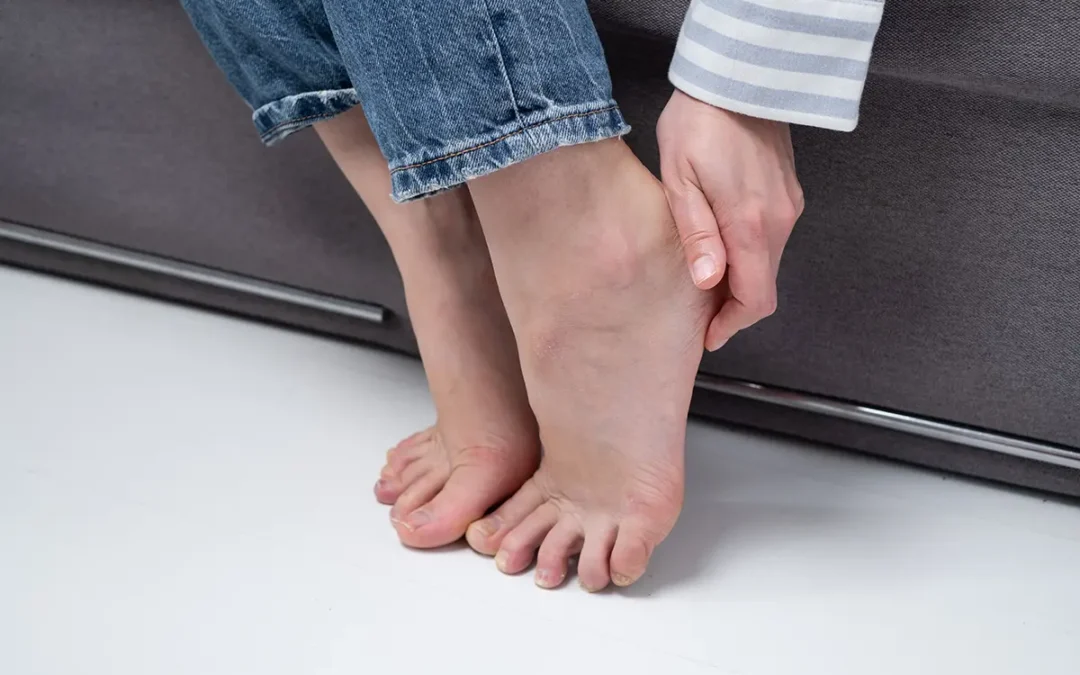
What Causes Foot Cramps and How to Find Relief Quickly
Foot cramps are a common and painful complaint that often interrupts an otherwise peaceful night’s sleep. In and of themselves, cramps are simply the result of a muscle flexing and staying flexed for a period of time. This is very common when sleeping, because the...
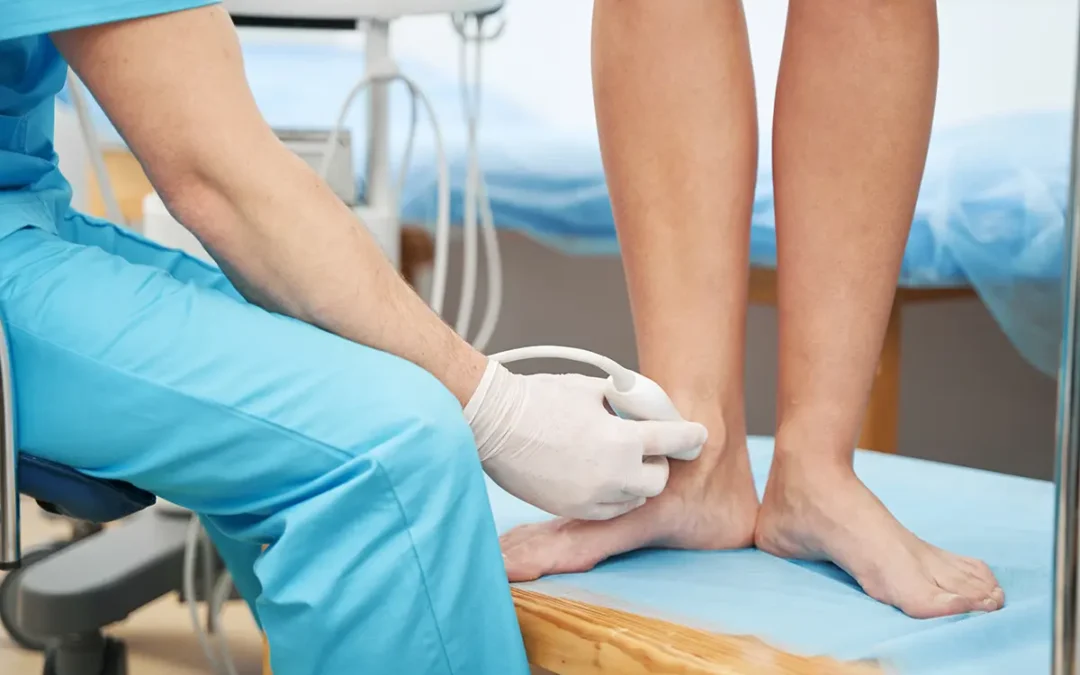
Vascular Testing in Podiatry: What It Is and Why It Matters
In foot care, vascular testing may be required in the diagnosing and treatment of certain podiatric conditions. Vascular testing is particularly relevant for patients with high-risk diabetes, poor circulation, peripheral artery disease (PAD), and chronic venous...

Walking as Safe Exercise During Pregnancy: Benefits and Tips
Walking is one of the best ways to stay active during pregnancy. It is low impact, so it doesn’t endanger your knees and ankles, plus it’s good for the heart and lungs. It also can be a way to meet up with friends and share the experience. Anyone who has been inactive...
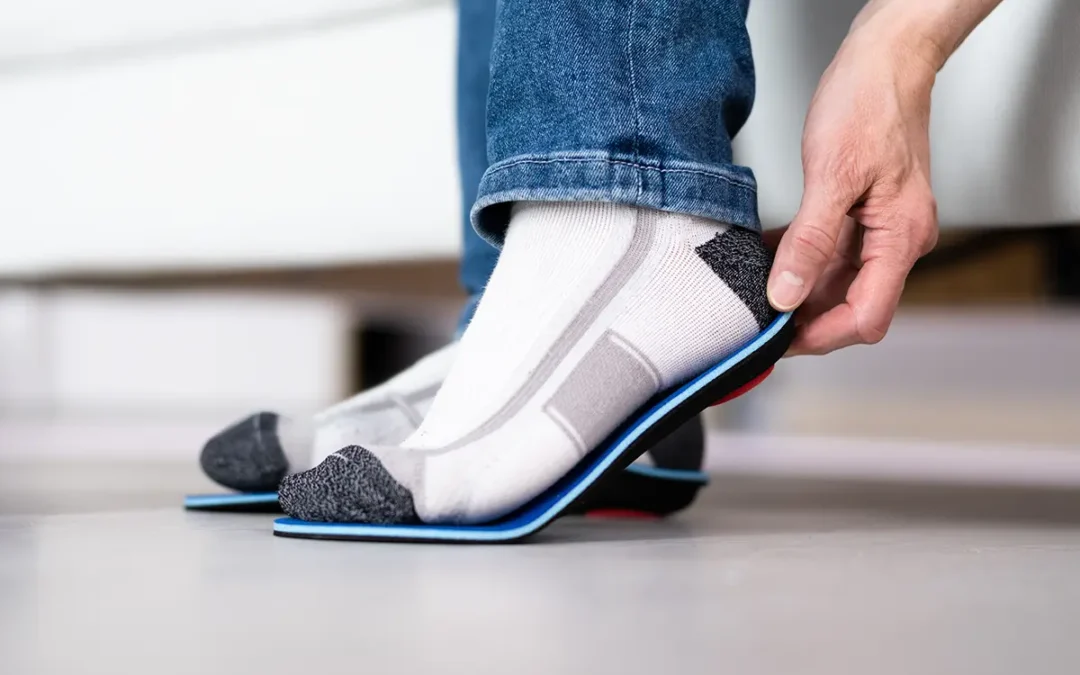
Are Orthotics Right for You? Signs You Could Benefit from Custom Support
Orthotics are shoe or heel inserts that can be custom made by a podiatrist if you are having foot, leg, or back pain. Orthotics are generally used to help correct foot abnormalities, ease pain in feet and ankles, and reduce the risk of injury. Continued heel and foot...

Why Exercises Are Key After an Ankle Injury for Proper Healing
Recovering from an ankle injury or ailment can result in a long period of inactivity, which can cause the leg and ankle muscles to weaken. Before returning to normal activity levels, such as sports, work, or everyday errands/chores, experts often recommend beginning a...