Foot Health Articles
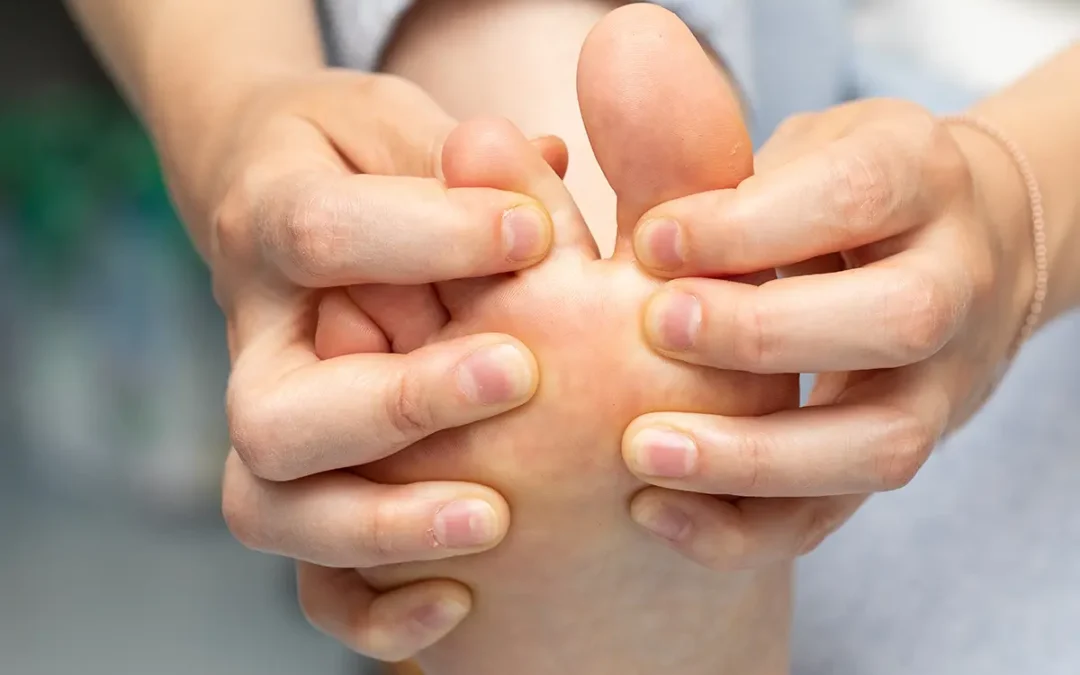
Athlete’s Foot Facts: What Everyone Should Know to Prevent It
Athlete’s foot (tinea pedis) is an itchy, scaly, red rash that can burn and sting. It is an infection caused by the same fungus that is responsible for jock itch and ringworm. In the case of athlete’s foot, however, the fungus attacks the skin of the feet and...
Athlete’s Foot: Causes, Symptoms, and Effective Treatments
Athlete’s foot, or tinea pedis, is a skin disease caused by a fungal infection. The infection typically occurs between the toes, and the feet are most subject to this disease because shoes best create the warm, dark, and moist environment in which fungus thrives....
Frequently Asked Questions About Athlete’s Foot
Athlete’s foot, or tinea pedis, is a skin disease caused by a fungal infection. The infection typically occurs between the toes, and the feet are most subject to this disease because shoes best create the warm, dark, and moist environment in which fungus thrives....
Basic Foot Care Tips for Diabetics to Avoid Complications
Many people with diabetes also suffer from nerve damage, which, in turn, can lead to foot problems such as pain, numbness, muscle weakness, loss of balance, foot wounds/ulcers, and more. That is why it is important for people with diabetes to take care of their feet...
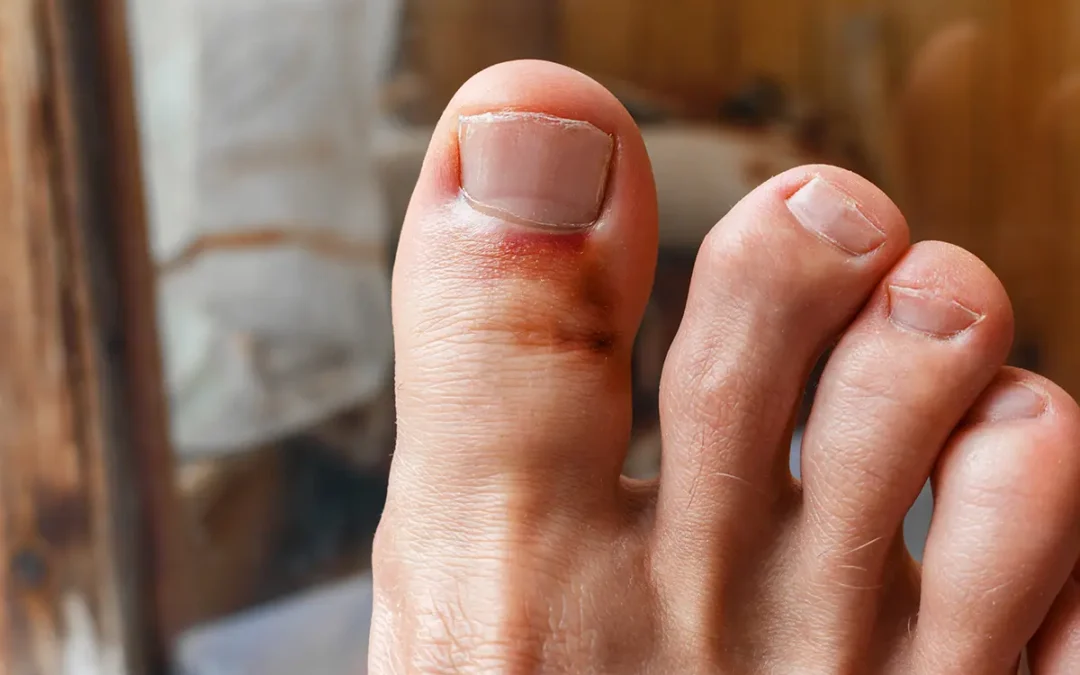
Common Treatment Options for a Broken Toe: What to Expect
Common causes of broken toes can include stubbing your toe against a piece of furniture or dropping a heavy object on it. Each toe consists of small bones and can abruptly break from sudden impact. It can be easy to notice a broken toe: Common symptoms include severe...
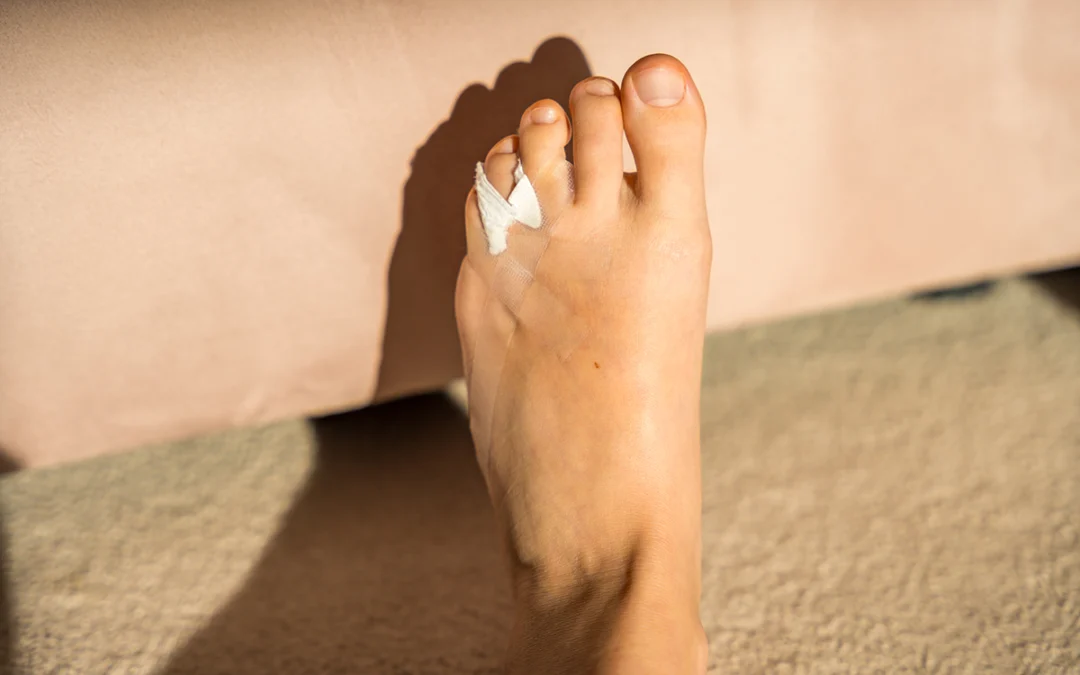
Broken Toe: What You Need to Know
The forefoot is composed of five metatarsal bones and fourteen phalanges. Each toe has three phalanges except for the big toe which only has two. Our toes play an essential role to the walking process, which is why a broken toe could seriously disrupt one’s ability to...
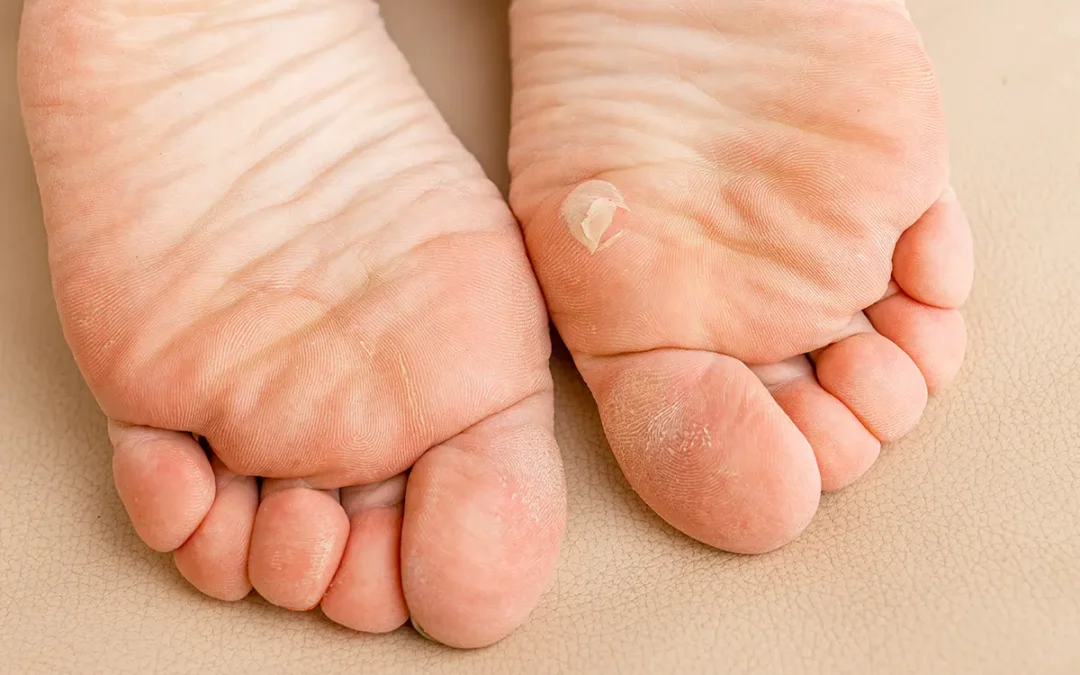
Corns: How to Effectively Manage and Prevent Them on Your Feet
Corns can sometimes be confused with calluses if you don’t know what to look (and feel) for. Corns can be painful and are either hard or soft. Hard corns, the most common type of corn, are caused by repeated pressure or friction. Soft corns are typically lighter in...
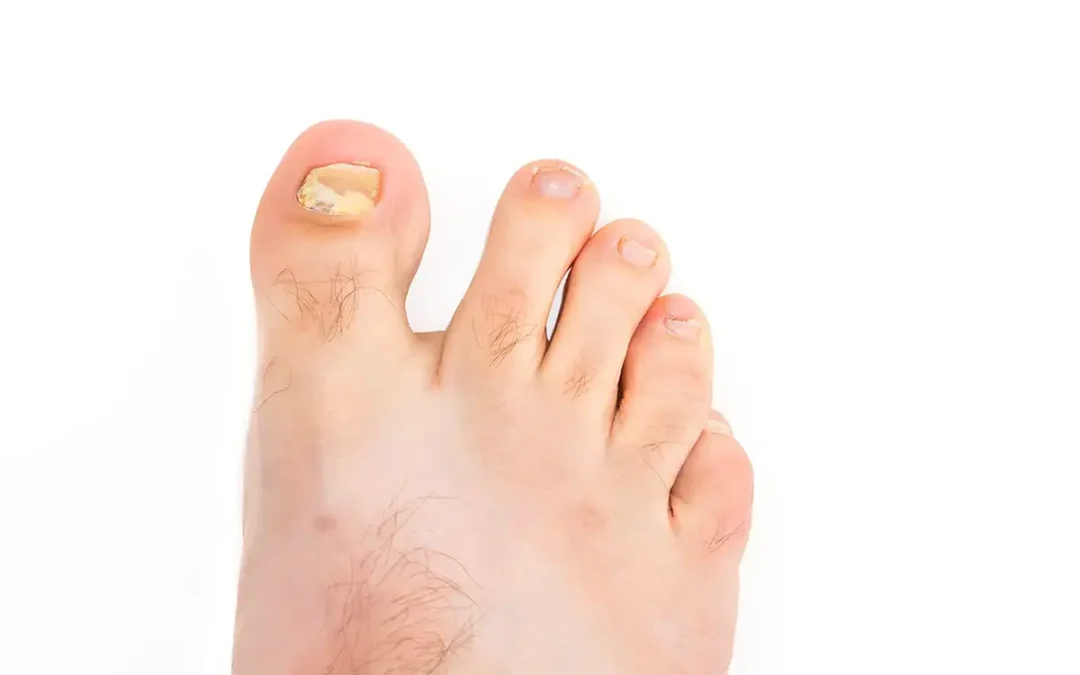
Toenail Fungus Facts: How to Prevent and Treat This Common Issue
A toenail infection, also known as onychomycosis, is a common type of nail disease caused by various types of fungi. Older adults and those with diseases that compromise the strength and quality of nails—such as diabetes, circulatory conditions, and immune suppression...

Why Do Feet Swell During Pregnancy? Causes and Relief Tips
It is very common for pregnant women to experience swelling in the feet and legs during pregnancy. This swelling occurs because the body holds more water than usual, and that water pools in the lower part of the body. The swelling can get very uncomfortable, but it is...
What Is Hyperesthesia and How Does It Affect Your Feet?
Hyperesthesia refers to heightened sensitivity to stimulation and is a symptom of various nerve disorders. Morton’s neuroma, a thickening of the tissue around a nerve that leads to the toes, may cause hyperesthesia. This leads to pain, numbness, tingling, and burning...

Top 4 Conditions That Cause Cold Feet and How to Address Them
If your feet always feel cold, it may be due to one of the following four reasons. 1) You may have poor circulation. Feet need a steady flow of blood to keep them warm. Poor circulation causes blood vessels to constrict which limits the amount of blood traveling to...

Dos and Don’ts of Exercising with Plantar Fasciitis to Stay Active Safely
If you suffer from plantar fasciitis, you may have heard that performing certain exercises can help alleviate pain and speed up your recovery. There are a variety of stretches that you can do to help with plantar fasciitis. One of the easiest stretches is flexing your...
Ankle Sprain Basics: What You Need to Know for Recovery
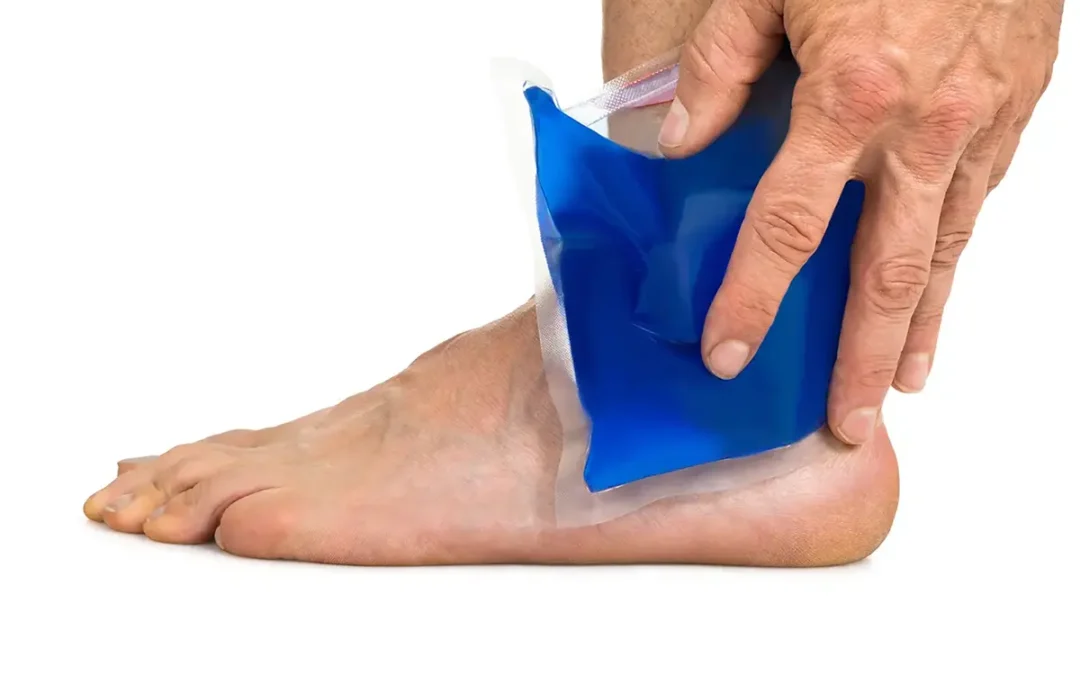
An ankle sprain is an injury to one or more ligaments in the ankle. This typically occurs when the ankle is twisted awkwardly or the foot rolls onto its side. Ankle sprains frequently affect athletes, but can happen to anybody. The symptoms of an ankle sprain include...

How to Effectively Treat Peripheral Neuropathy for Foot Health
Peripheral neuropathy occurs when nerves in the extremities become damaged and dysfunctional. Peripheral neuropathy can cause numbness, tingling, burning/shooting pains and muscle weakness in the feet, along with cramps, swelling, sensitivity, and a loss of...

Understanding Neuropathy: Causes, Symptoms, and Management Tips
Neuropathy is the weakness, numbness, and pain in the hands and feet due to damage to the peripheral nerves. The peripheral nerves are responsible for sending information from the brain and spinal cord to the rest of your body. Causes of Neuropathy include: traumatic...

Matchmaker, Matchmaker: How to Find the Perfect Footwear for Your Feet
It is believed that many foot problems are caused by wearing the wrong kind of shoe. Here are some things you can do to help keep your feet healthy by choosing the right kind of shoe for your individual foot. Start by outlining your feet on a piece of paper and...

How to Get a Proper Shoe Fit
Many people suffer from foot problems because their shoes are poorly fitted. When shopping for a new pair of shoes, fashion usually triumphs over comfortability. A pair of well fitted shoes is essential in preventing foot problems and potential injuries. Poorly fitted...

Recognizing Signs of Peripheral Artery Disease Early to Save Your Limbs
A condition common among the diabetic community is peripheral artery disease, PAD, which affects between 8-10 million people a year in the United States. Many of them are over 50 years old, studies show. PAD causes fatty buildup in the arteries, including those in the...
Foot Orthotics: How They Work and When You Need Them
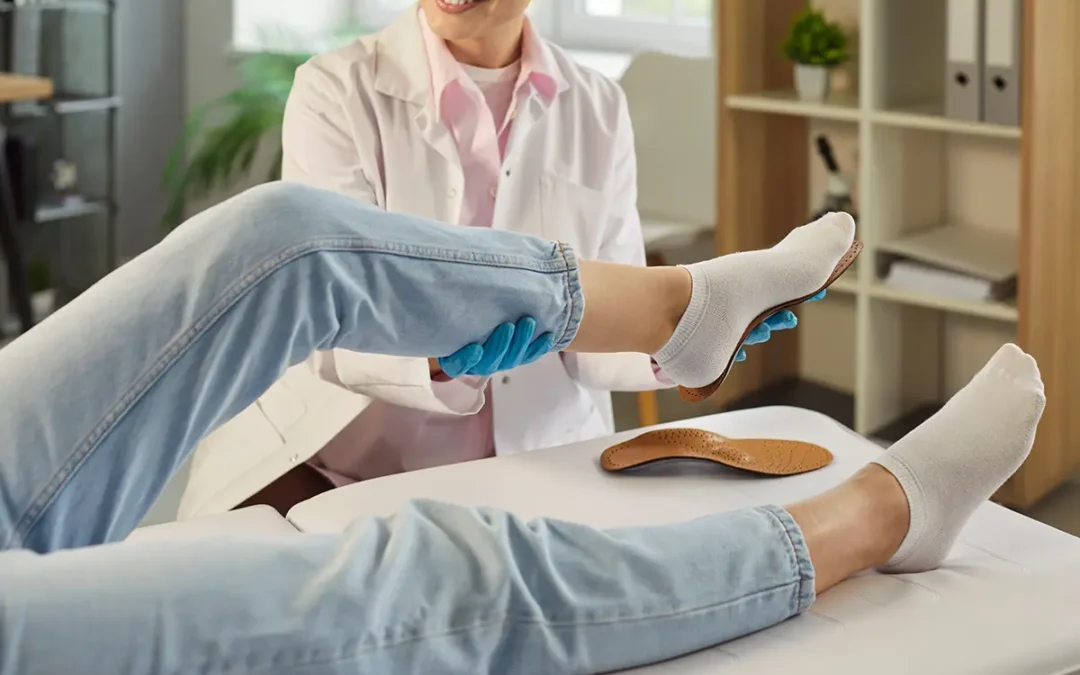
Orthotics are shoe inserts that are meant to correct an irregular walking gait or provide cushioning to the feet. Orthotics come in a variety of different models and sizes, including over-the-counter and customizable variants. Customizable orthotics can be shaped and...

Morton’s Neuroma: How It Affects Runners and Non-Athletes Alike
Many runners develop a condition known as Morton’s neuroma which is a thickening of a nerve in the foot. It usually affects the large nerve between the third and fourth toe, which is more susceptible to pressure, irritation and injury, and results in painful...
Are Bunions Genetic? Exploring the Role of Family History
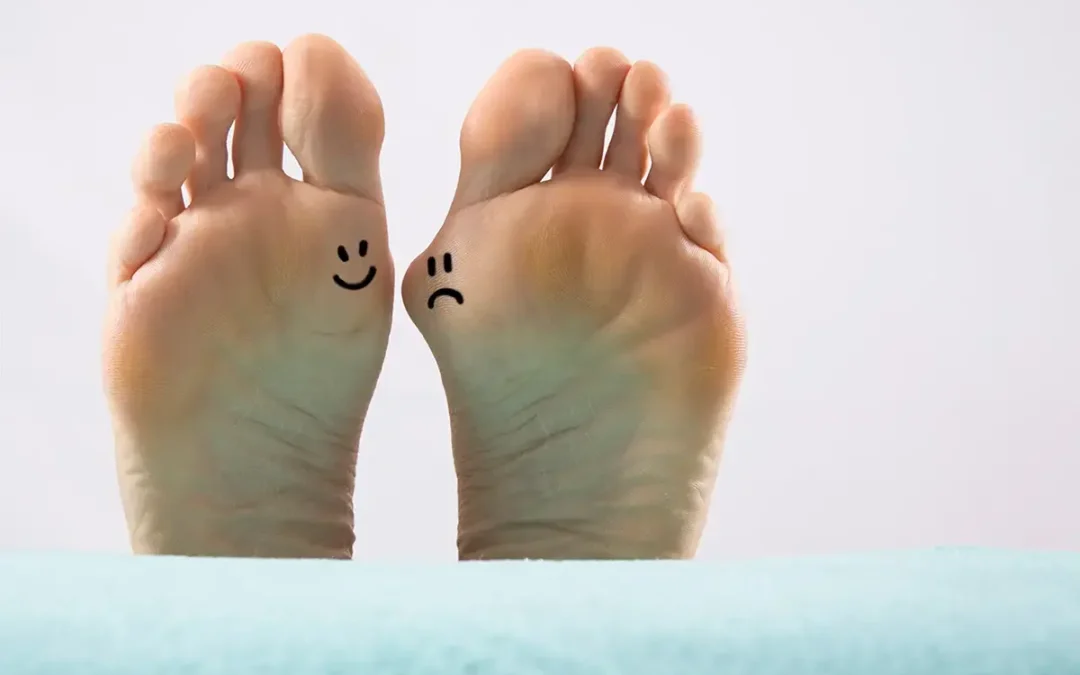
A bunion is a bony growth that occurs at the base of the big toe joint. Thought to be caused by faulty foot mechanics, bunions are often hereditary, meaning that they run in families. Wearing tight shoes with pointed toes can make bunions more likely to develop. Other...
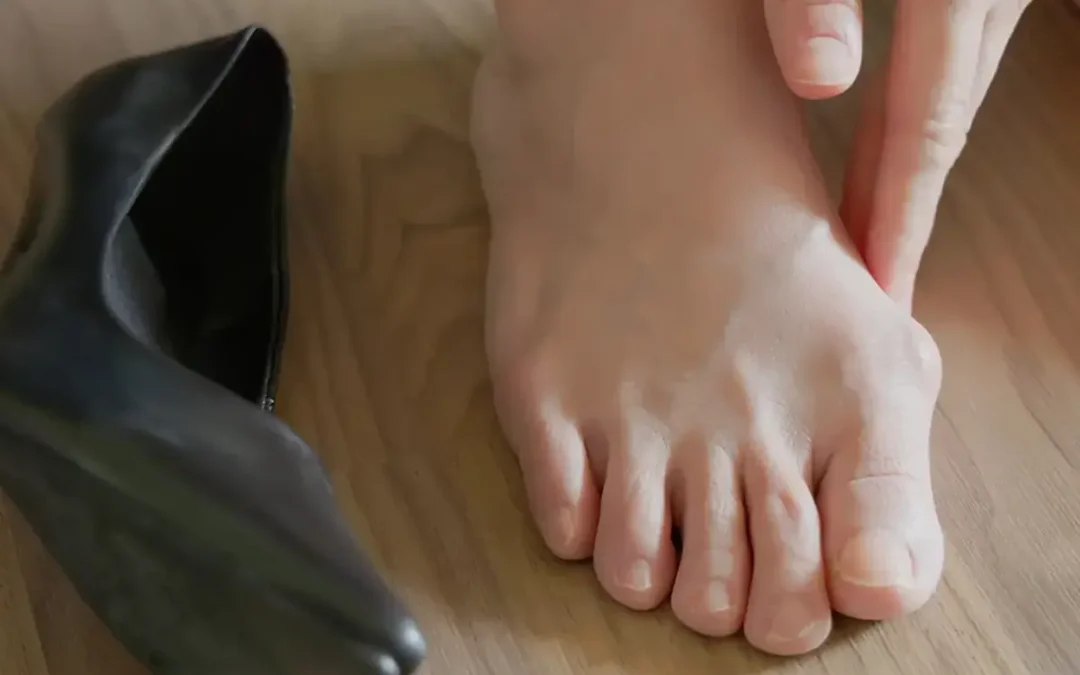
Bunions: Causes, Symptoms, and Available Treatments
A bunion is an enlargement of the base joint of the toe that connects to the foot, often formed from a bony growth or a patch of swollen tissues. It is caused by the inward shifting of the bones in the big toe, toward the other toes of the foot. This shift can cause a...
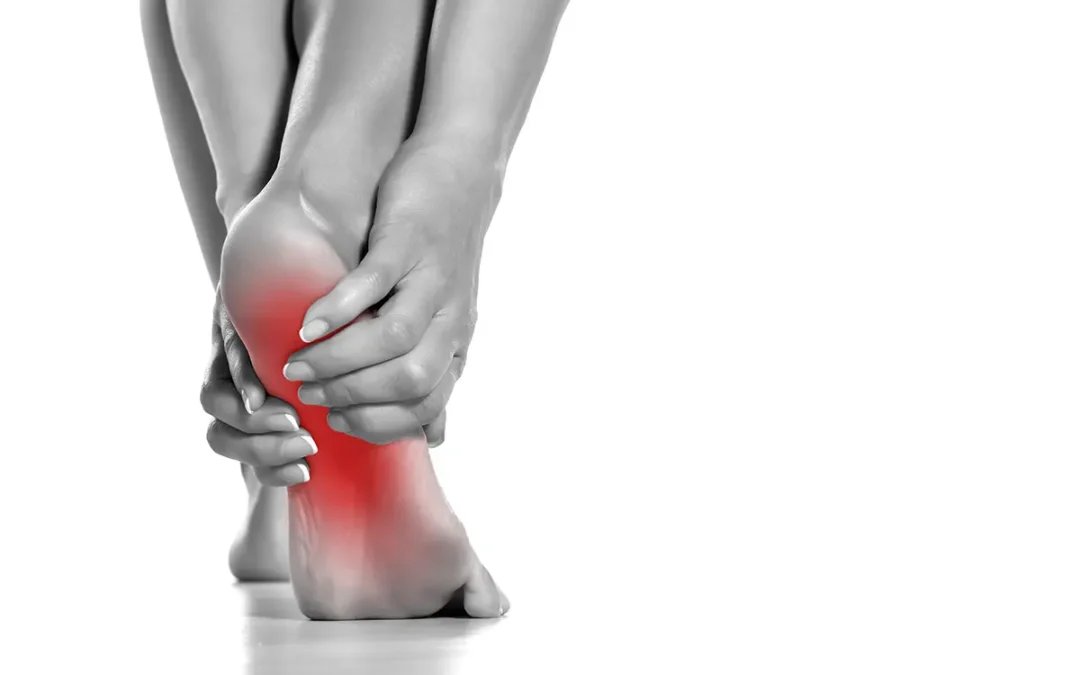
Heel Pain Locations Explained: A Quick Guide to Pinpointing Your Pain
heel pain one of the best ways to get an accurate diagnosis is to describe the location of the pain to your podiatrist. The sources of heel pain vary, depending on exactly where the heel hurts. For example, pain in the back of the heel may indicate a problem with the...

What Do Podiatrists Do? A Day in the Life of Foot Specialists
Podiatrists are physicians, and often surgeons, who have studied the foot, ankle, and lower leg, along with all associated ailments. They have received an undergraduate degree as well as medical degree and undergo four years of postgraduate study with a three-year...
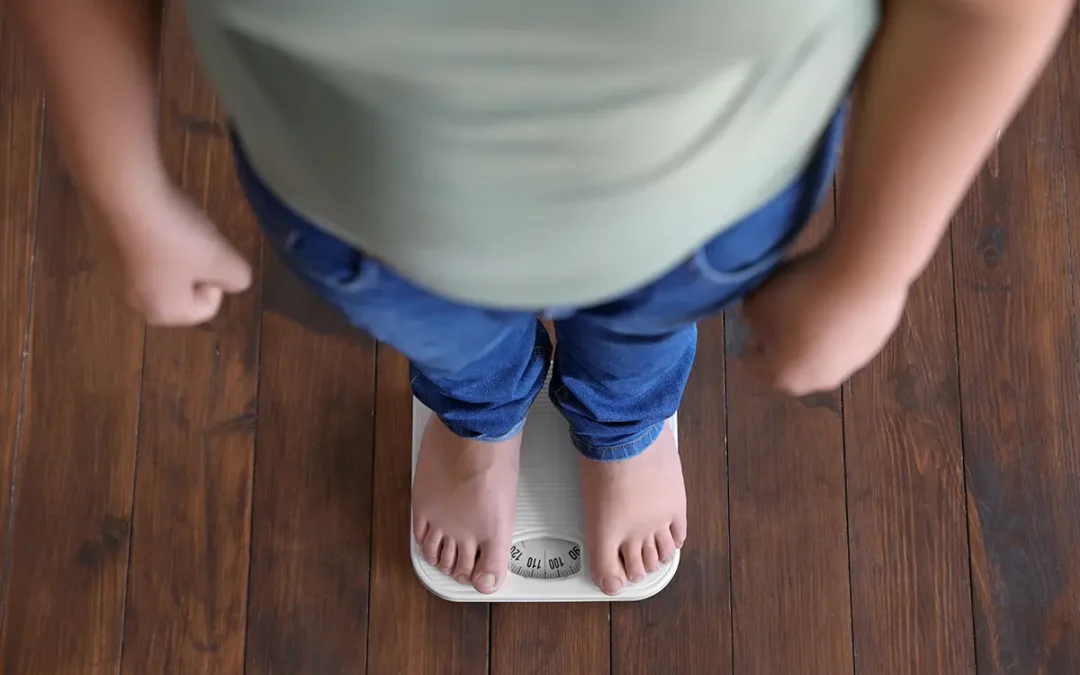
Children and Obesity: Protecting Their Foot Health Early On
It is well known that obesity can affect an adult’s foot health, but did you know that being obese can also impact the health of a child’s feet? Obese children are at an increased risk of developing various foot problems, such as changes in foot biomechanics and...

The Impact of Obesity on Foot Health: What You Should Know
Obesity is a common problem in American society. Approximately one third of the U.S. population is obese. Obesity is defined as a body mass index greater than 30. Obesity has the power to affect different aspects of the body, and one of the most common problems it...
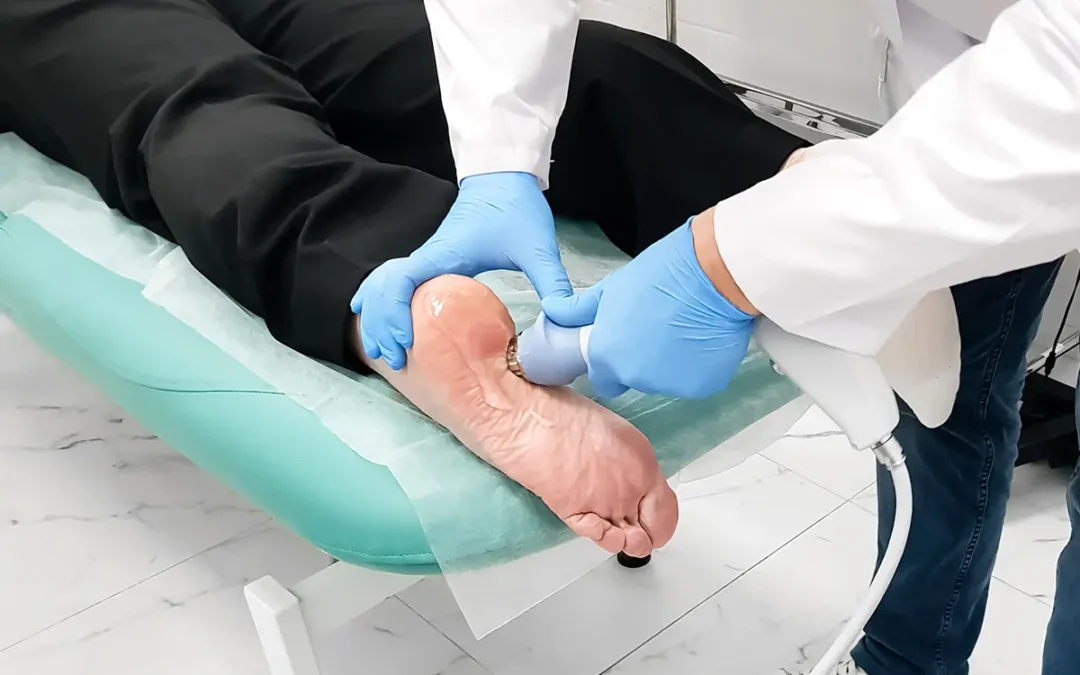
What Is Extracorporeal Shock Wave Therapy (ESWT)? A Closer Look
In Extracorporeal Shock Wave Therapy (ESWT), a handheld device sends a series of acoustic pulses through the surface of the skin to an area of damaged tissue. This intense energy creates a microtrauma in the injured tissue, causing the body to respond by increasing...
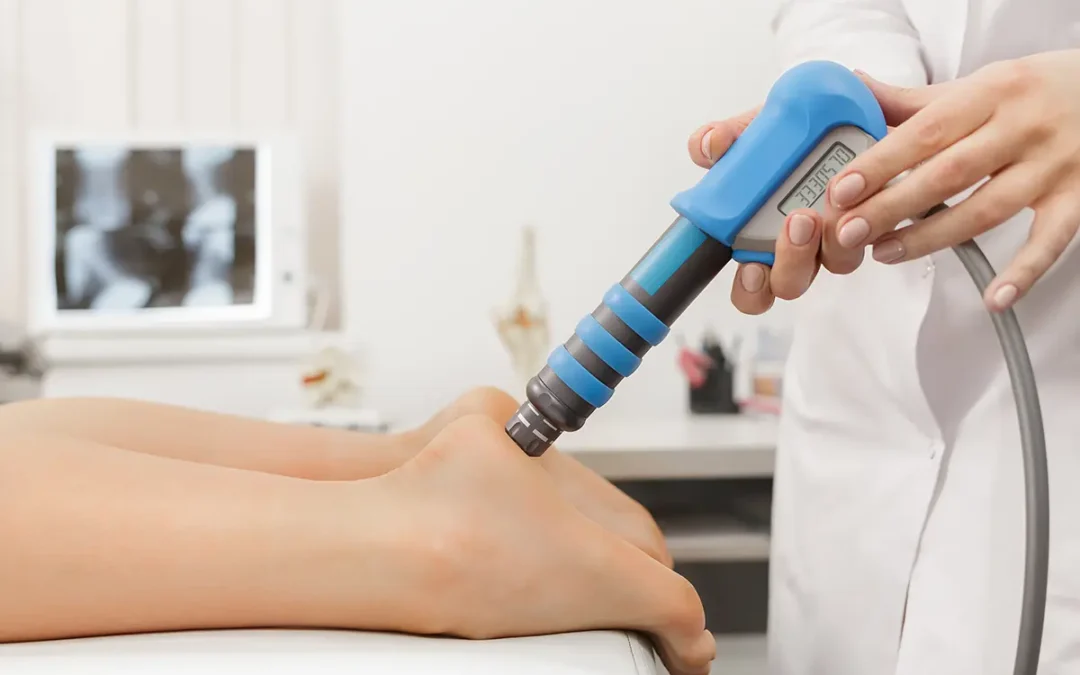
Treating Heel Pain with Shockwave Therapy: Benefits and Considerations
Shockwave therapy is one treatment option for plantar fasciitis, a condition that causes heel and foot inflammation and pain. This type of injury is often caused by overworking the feet. Heel pain is most common in people that exercise often, individuals who are...
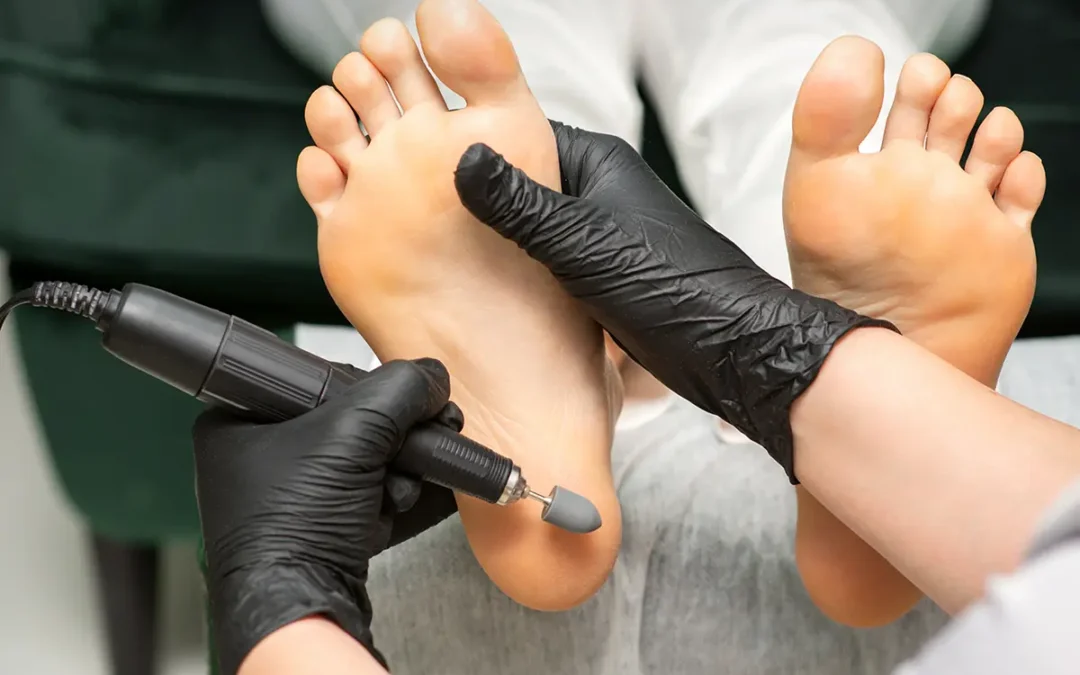
Safe and Effective Corn Removal Methods Explained
Corns are small, hardened bumps of skin that can grow on the feet due to friction. Even though they are small, corns can be tender and painful enough to interfere with daily activities. In addition to more conservative treatments like resting the affected foot and...
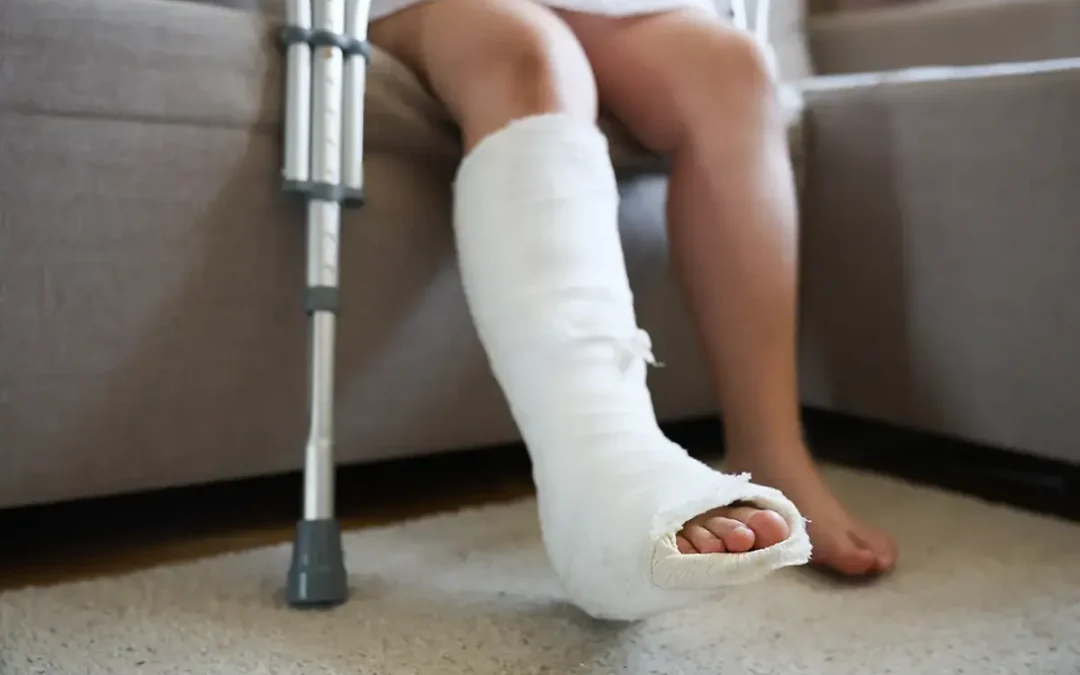
Stress Fractures 101: What They Are and How to Heal Properly
A small hairline fracture is also referred to as a stress fracture. While stress fractures can occur in the pelvis, thigh bones, and shins, they most commonly occur in the lower legs, particularly affecting the bones of the midfoot. Stress fractures may occur in the...