Foot Health Articles
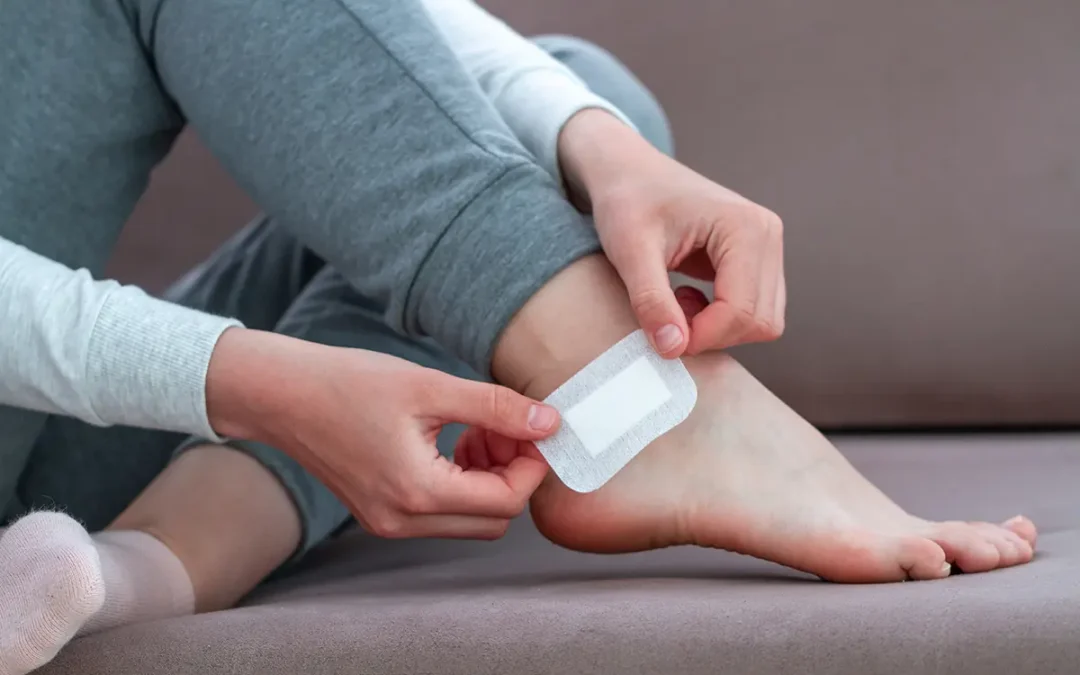
Basics of Wound Care for Foot Injuries
Diabetics must be wary of all wounds, regardless of depth or size. Diabetes, a chronic disease in which the body cannot properly use glucose the way it normally would, causes various complications that make wounds difficult to heal. Nerve damage or neuropathy will...
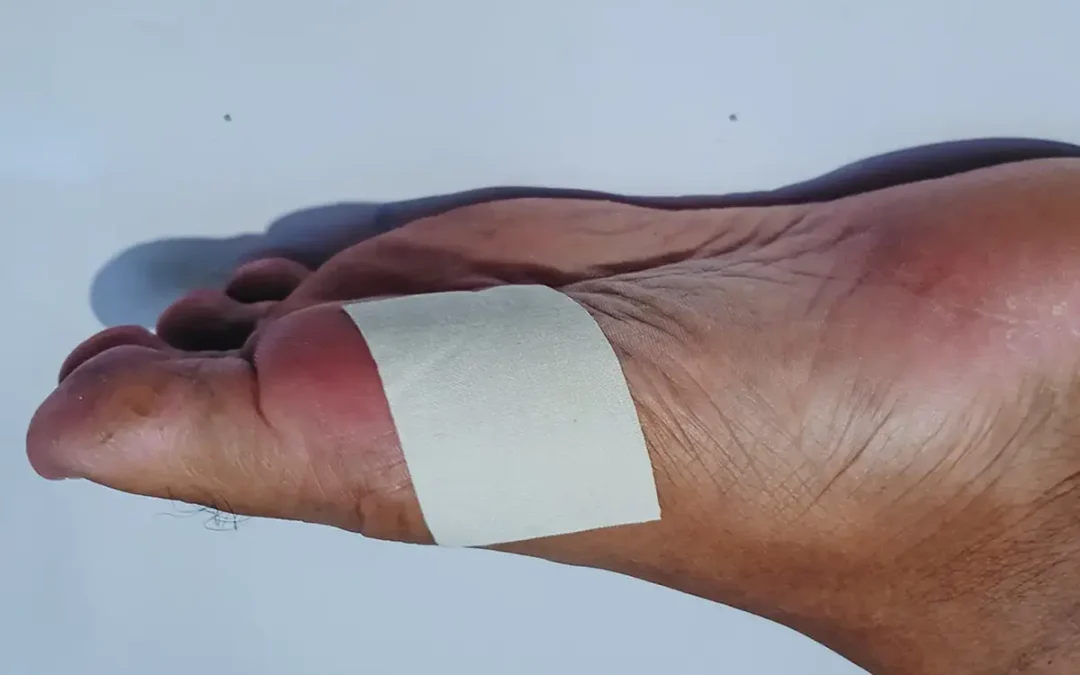
A Step-by-Step Guide to Caring for Foot Wounds
Caring for foot wounds involves a systematic approach to promote healing and prevent complications. Start by cleaning the wound gently with mild soap and lukewarm water, avoiding harsh scrubbing to prevent further damage. Rinse thoroughly and pat dry with a clean,...
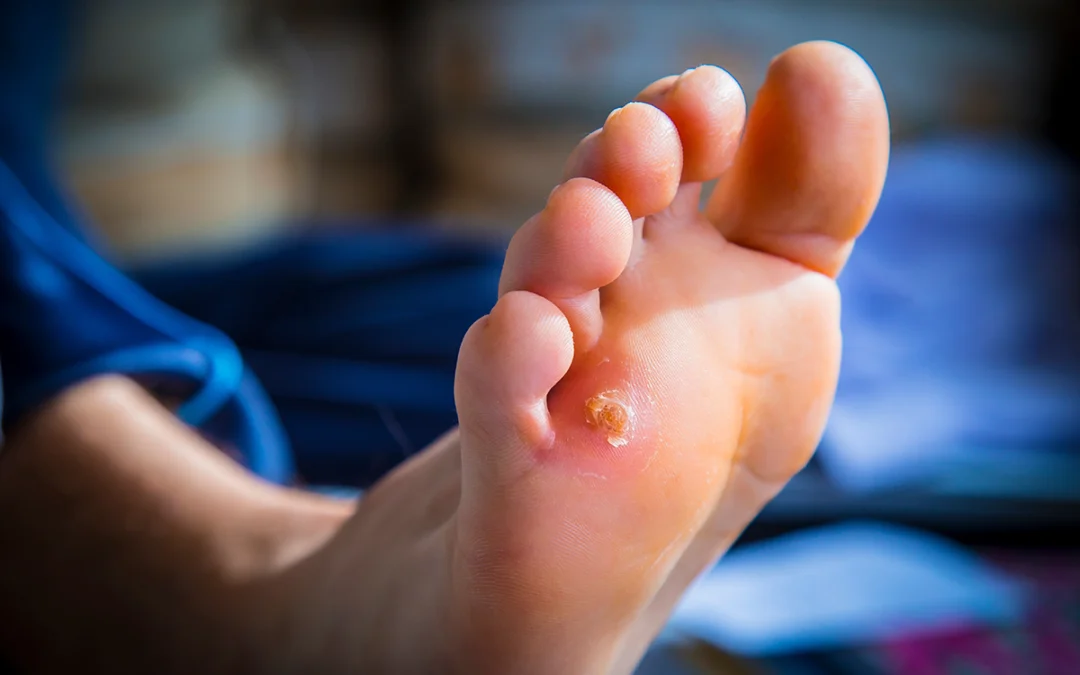
What to Know About Corns
Corns are hard and thick areas of skin that form as a result of constant rubbing, friction, or pressure on the skin. They are patches of dead skin with a small plug toward the center. They may appear on the tops and sides of toes and can make walking painful. Soft...
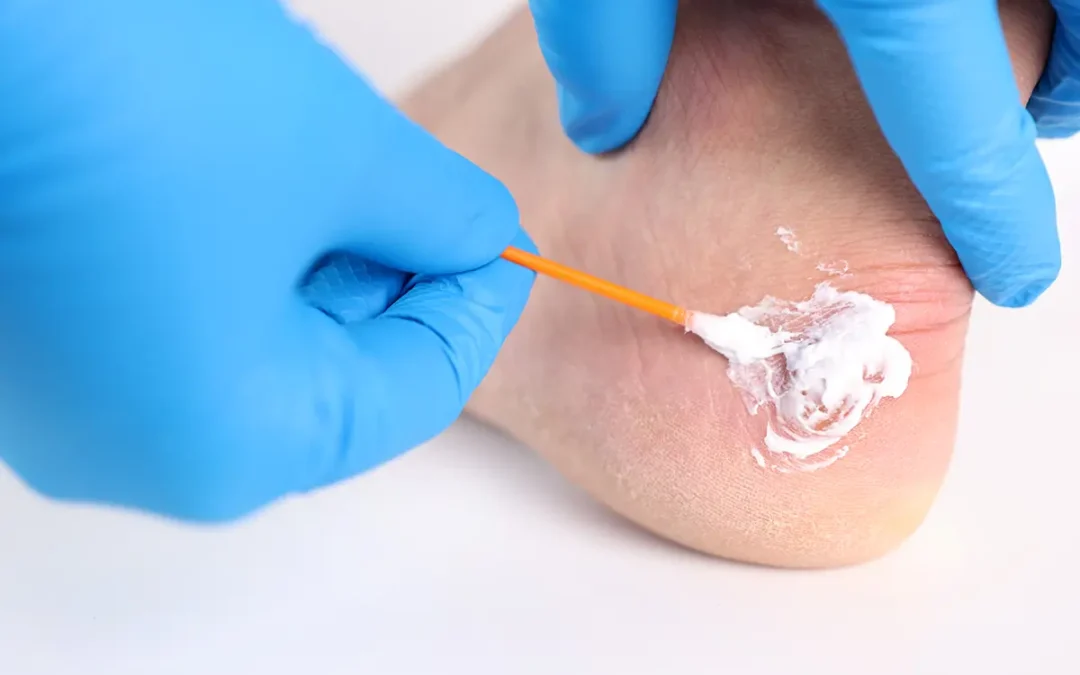
How to Identify and Treat Corns on Your Feet Effectively
Sandals are a go-to choice for many, especially during the summer, but they can often do more harm than good to your feet. Many sandals lack the necessary support and cushioning, leading to various foot ailments. Flat flip-flops and thin-soled sandals, for instance,...
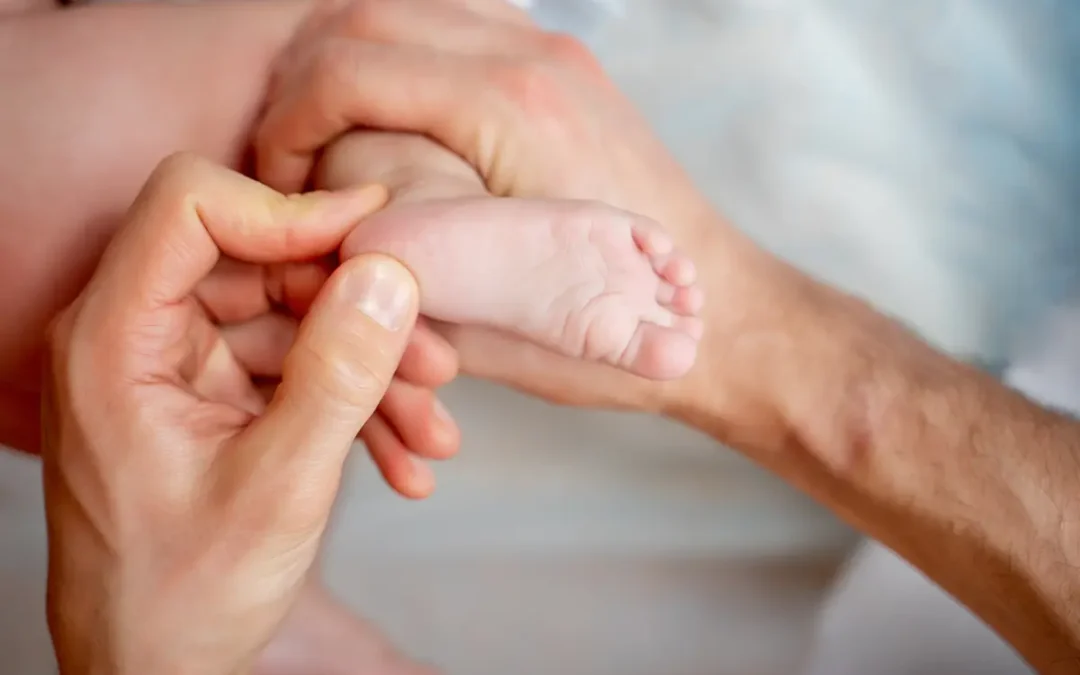
Stages of Children’s Feet Development: From Pre-Crawling to School Age
Children's feet go through various stages of development, each requiring specific care and attention. During the pre-crawling stage, infants have soft, pliable feet that need freedom to move and grow, so bare feet or socks are ideal. For newborns, shoes are not...

Essential Tips for Keeping Your Child’s Feet Healthy
Being a parent involves caring for your child in every way you can. You make sure they are eating the right food, being nice to others, and staying out of any trouble. However, it is also important that you are watchful of their health, more specifically their foot...

Types of Sandals That Could Harm Your Feet: What to Avoid
Sandals are a go-to choice for many, especially during the summer, but they can often do more harm than good to your feet. Many sandals lack the necessary support and cushioning, leading to various foot ailments. Flat flip-flops and thin-soled sandals, for instance,...
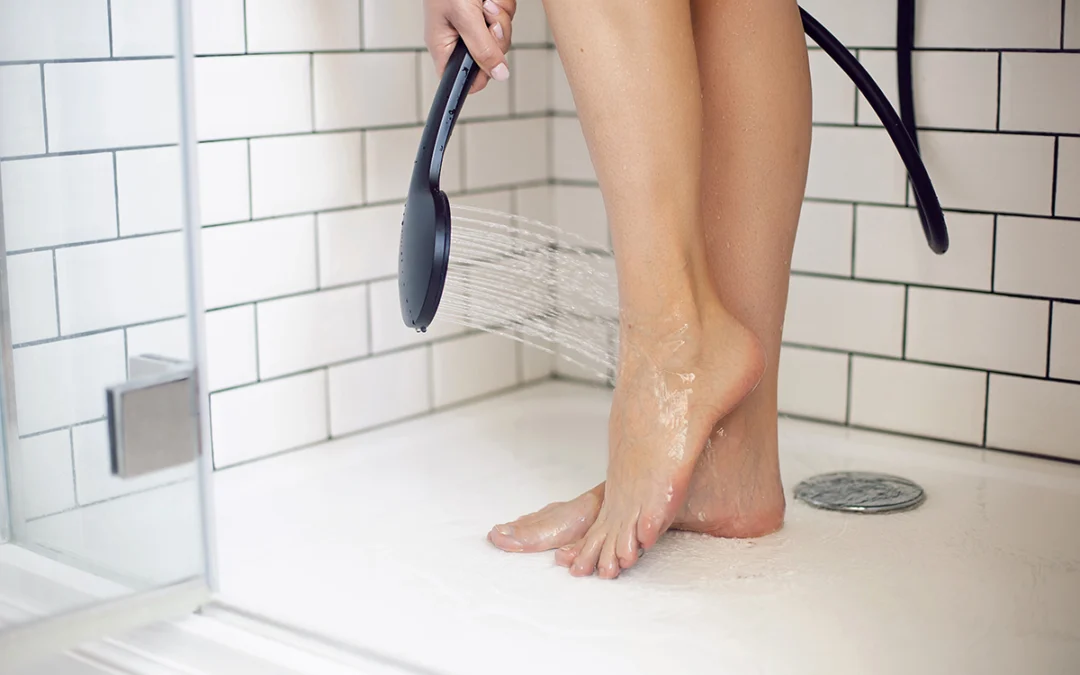
Your Daily Foot Care Routine Explained
Our feet are important in our everyday lives. The problem is that we tend to neglect them. When this becomes a habit, it can cause significant trouble. Ignoring foot problems can mean pain, limited mobility, and expensive doctor's visits. On the other hand, if feet...

Preventing Falls in Older Adults: Practical Safety Tips
Falls are a significant concern for older adults, often resulting in serious injuries and decreased independence. Factors contributing to falls can include poor balance, muscle weakness, and foot problems such as neuropathy, arthritis, or wearing improperly fitted...
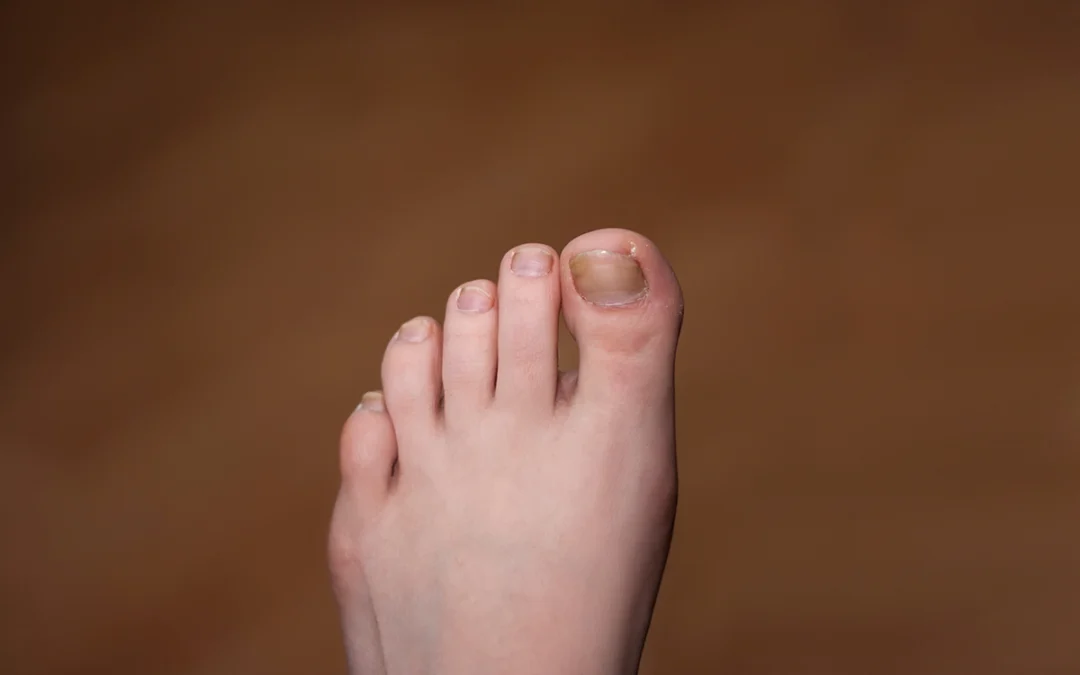
Understanding and Treating Ingrown Toenails
An ingrown toenail is a nail that has curved downward and grown into the skin. This typically occurs at either the nail borders or the sides of the nail. As a result, pain, redness, swelling, and warmth may occur in the toe. If a break in the skin forms due to the...
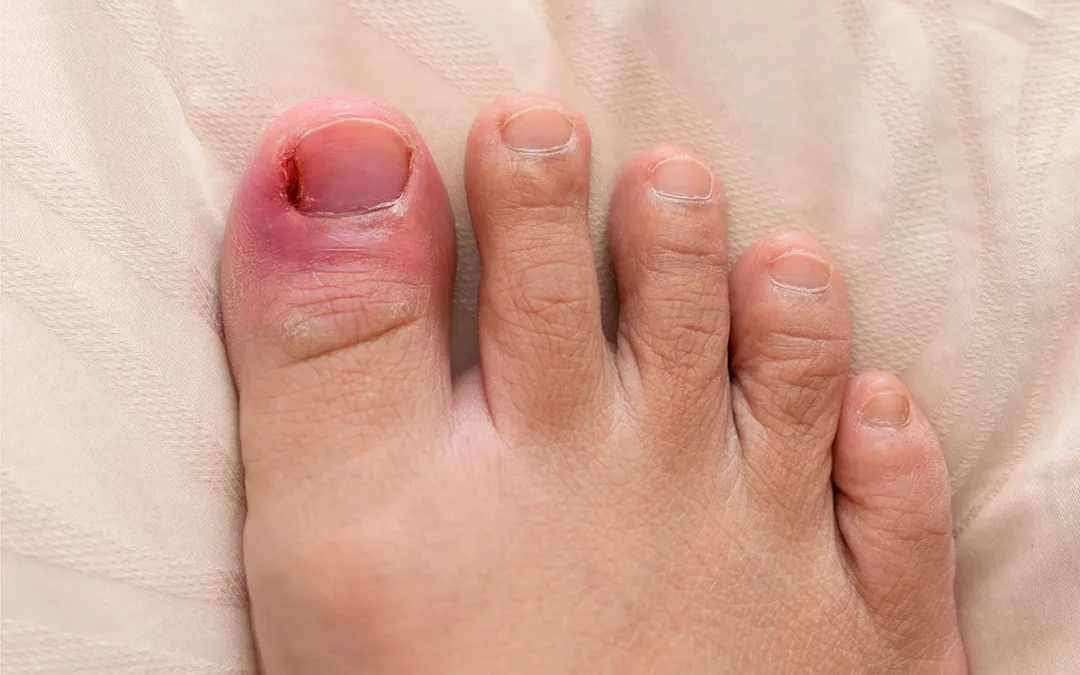
Ingrown Toenail Infections: Causes and How to Prevent Them
An ingrown toenail occurs when the edge of a toenail grows into the surrounding skin, causing pain and swelling. This often happens due to improper nail trimming, wearing tight shoes, or having naturally curved nails. When the toenail pierces the skin, it can create...

Essential Tips for Taking Care of Your Feet While Traveling
Traveling often leads to tired and achy feet due to prolonged periods of walking, standing, or sitting. These activities can cause swelling, discomfort, and fatigue in the feet, especially when confined to tight spaces like airplane cabins or car seats. The lack of...
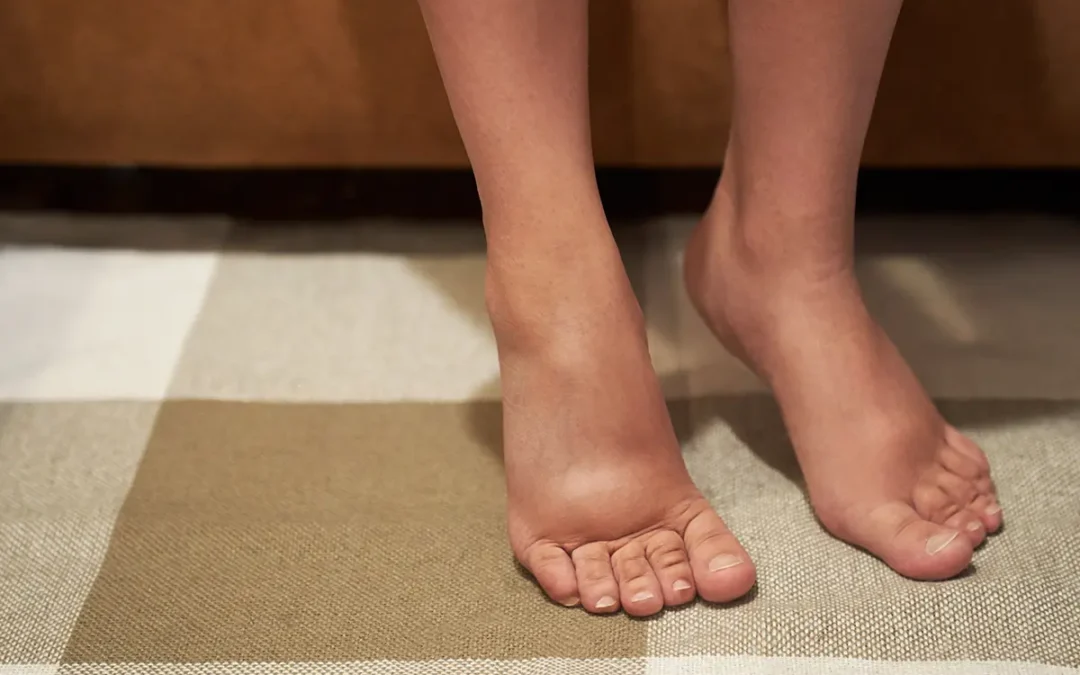
Foot Swelling Linked to Psoriatic Arthritis: What You Should Know
Psoriatic arthritis can cause swelling in the feet, making daily activities such as walking and wearing shoes very uncomfortable. This condition is a type of inflammatory arthritis that can cause inflammation in the joints and tissues of the feet that results in...

Cold Feet Could Signal Poor Circulation: When to Get Checked
Cold feet are often more than just a discomfort. They may be a sign of poor circulation, which is a condition where the blood flow to the extremities is inadequate, and often affects the feet. This issue can be caused by various disorders, including peripheral artery...

Causes, Symptoms, and Treatments for Poor Circulation in Feet
The purpose of the body’s circulation system is to transport blood, oxygen, and nutrients throughout the body. A reduction of blood to a specific part of the body may cause one to experience symptoms of poor circulation. The most common causes of poor circulation in...
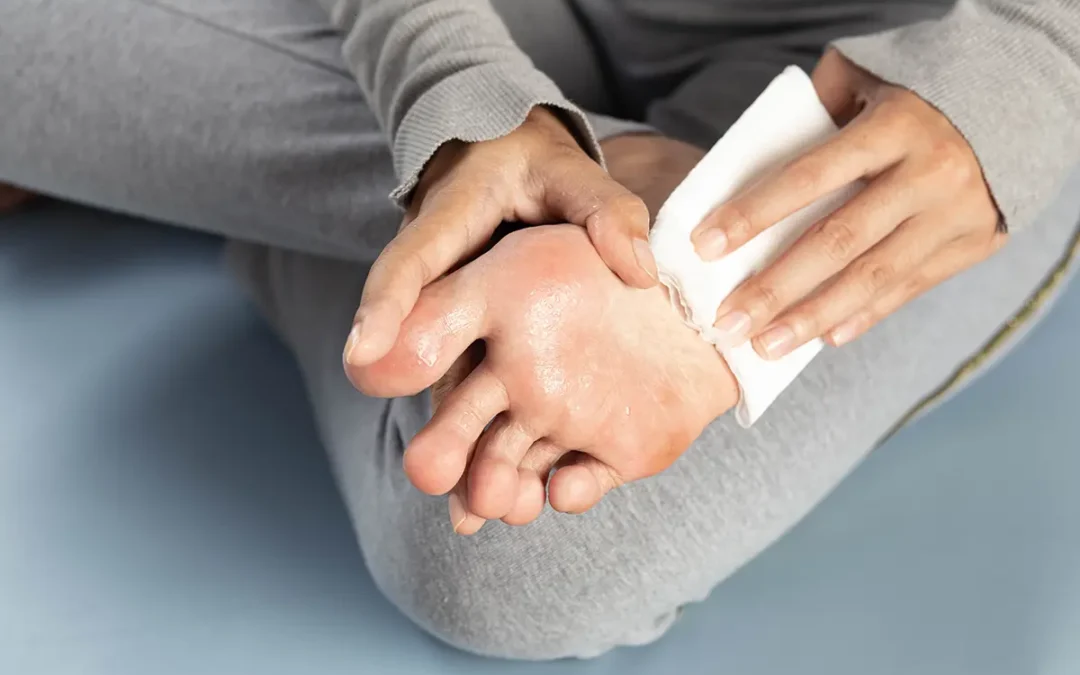
Excessive Foot Sweat: Causes and Effective Treatments
Sweaty feet can be more than just an inconvenience, they can also lead to social embarrassment and discomfort. Medically known as plantar hyperhidrosis, this condition involves excessive sweating of the feet regardless of the temperature or level of physical activity....
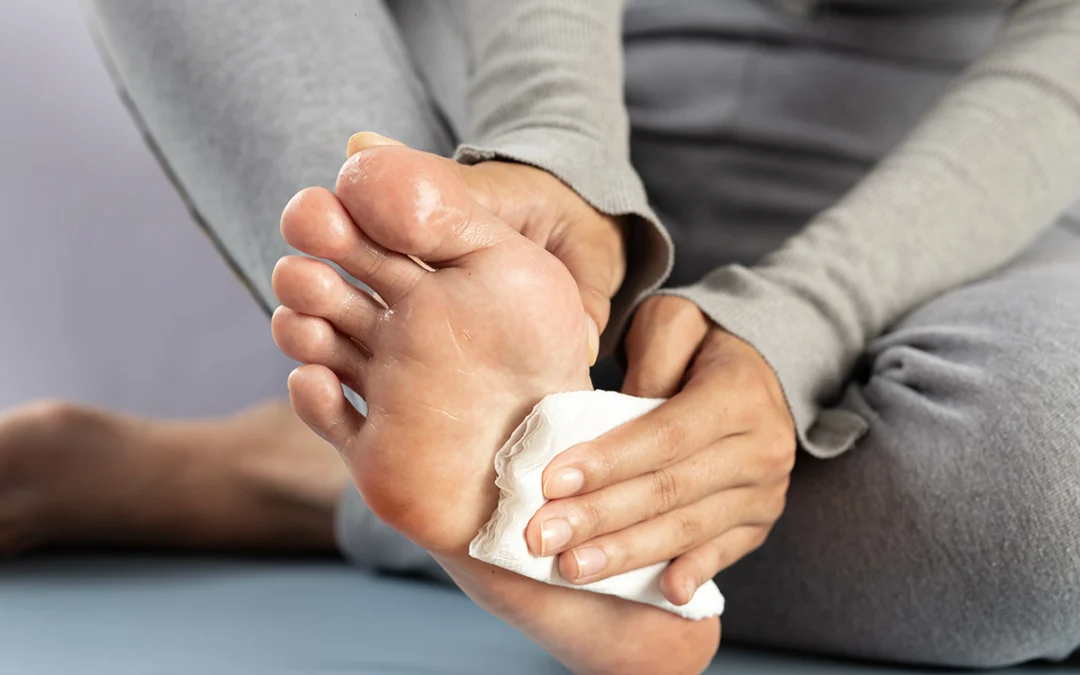
Hyperhidrosis of the Feet: Managing Excessive Sweating
Hyperhidrosis of the feet, also termed plantar hyperhidrosis, is characterized by excessive sweating of the feet that can be triggered by any cause, such as exercise, fever, emotional stress, or even without any obvious reason. People with this condition may also have...
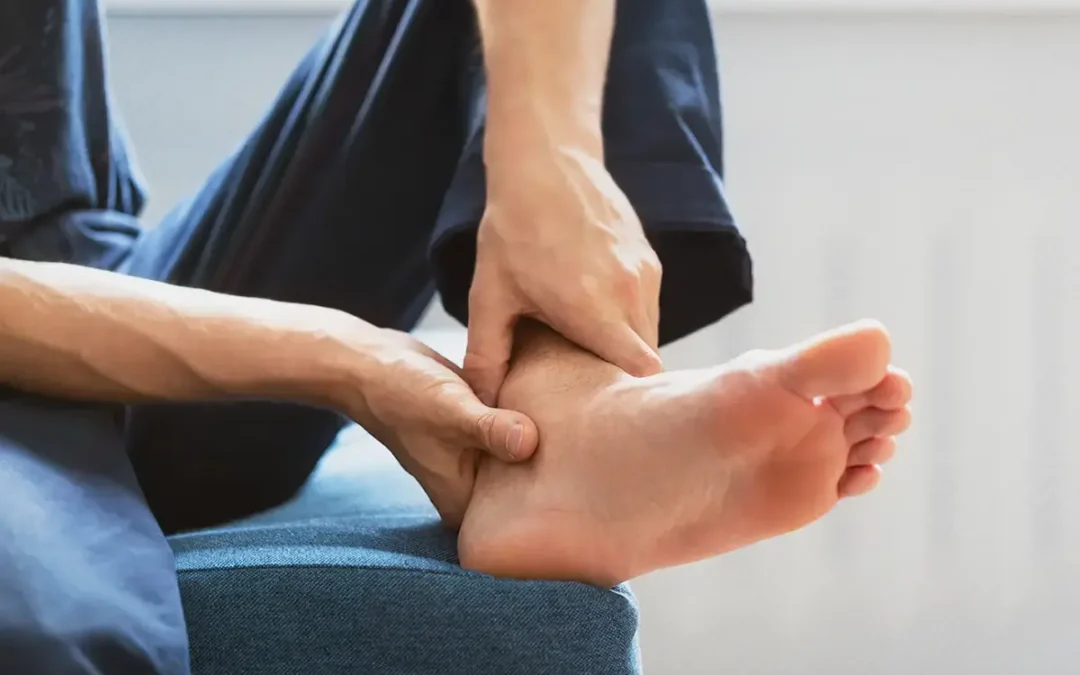
Understanding Ankle Sprains: Types and Treatment Tips
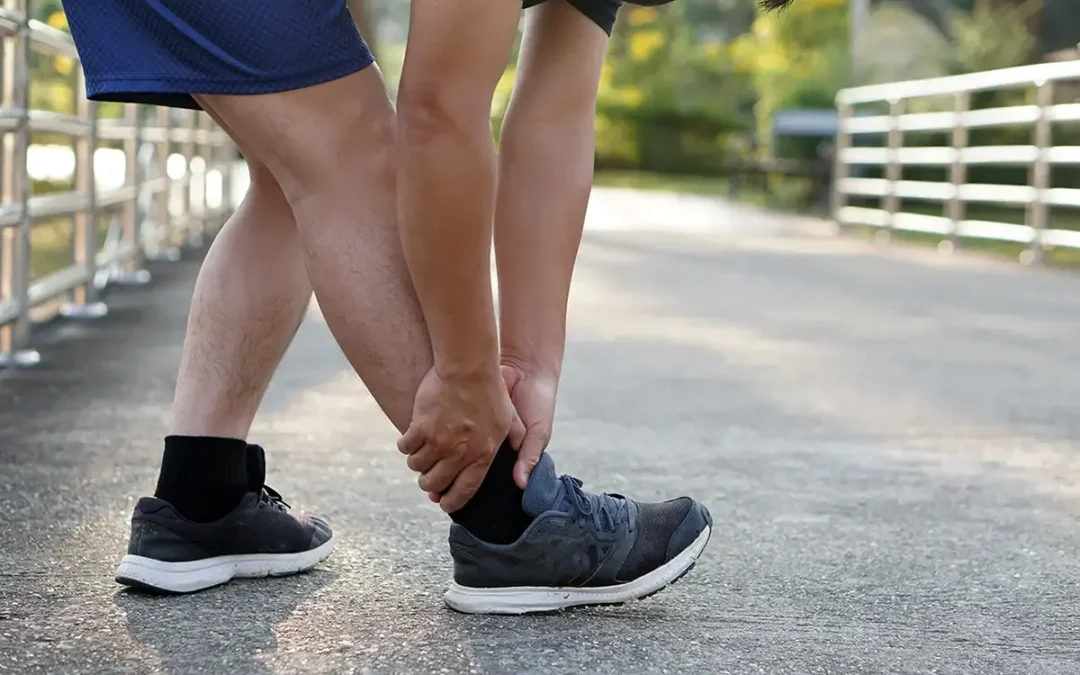
Ankle sprains occur when ligaments that support the ankle stretch beyond their limits and tear. These types of injuries are very common and can occur in people of all ages. Sprains may range from mild to severe, depending on how much damage is done to the ligaments....
How Ankle Sprains May Affect Your Foot’s Stability and Strength
An ankle sprain, a common injury, occurs when the ligaments surrounding the ankle stretch or tear due to sudden twisting or rolling movements. While seemingly minor, neglecting proper treatment can lead to complications, notably ankle instability and diminished...
Different Types of Toenail Fungus and How to Identify Them
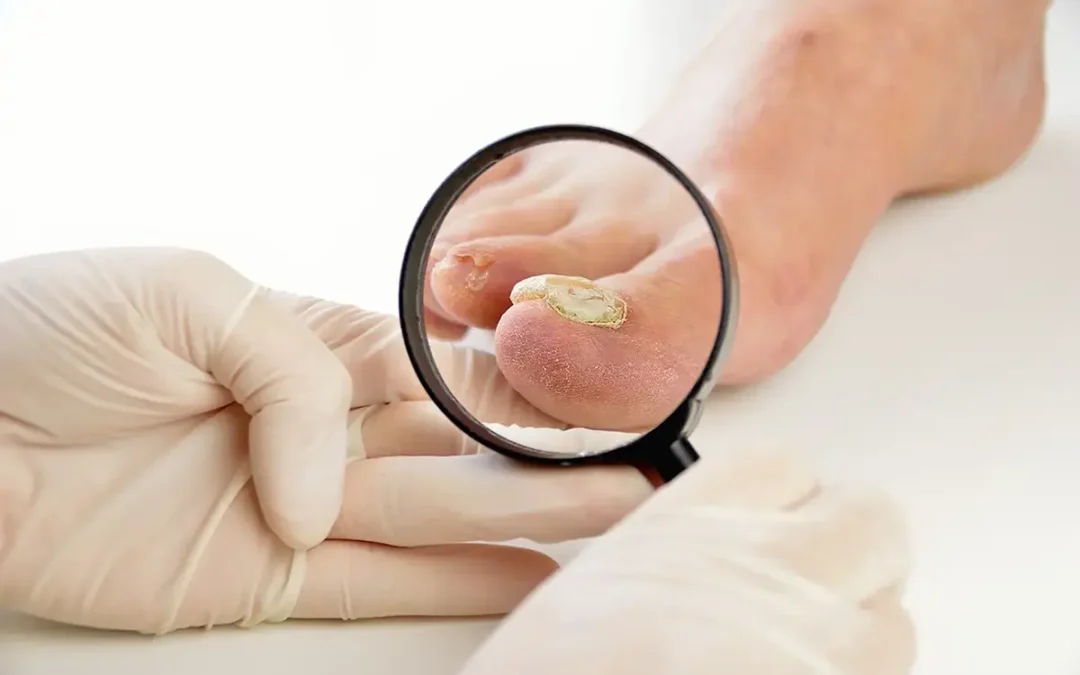
Toenail fungus, medically known as onychomycosis, encompasses several distinct types, each presenting unique characteristics and symptoms. The most common form is distal subungual onychomycosis, which typically begins as a yellow or white spot beneath the tip of the...
Toenail Fungus
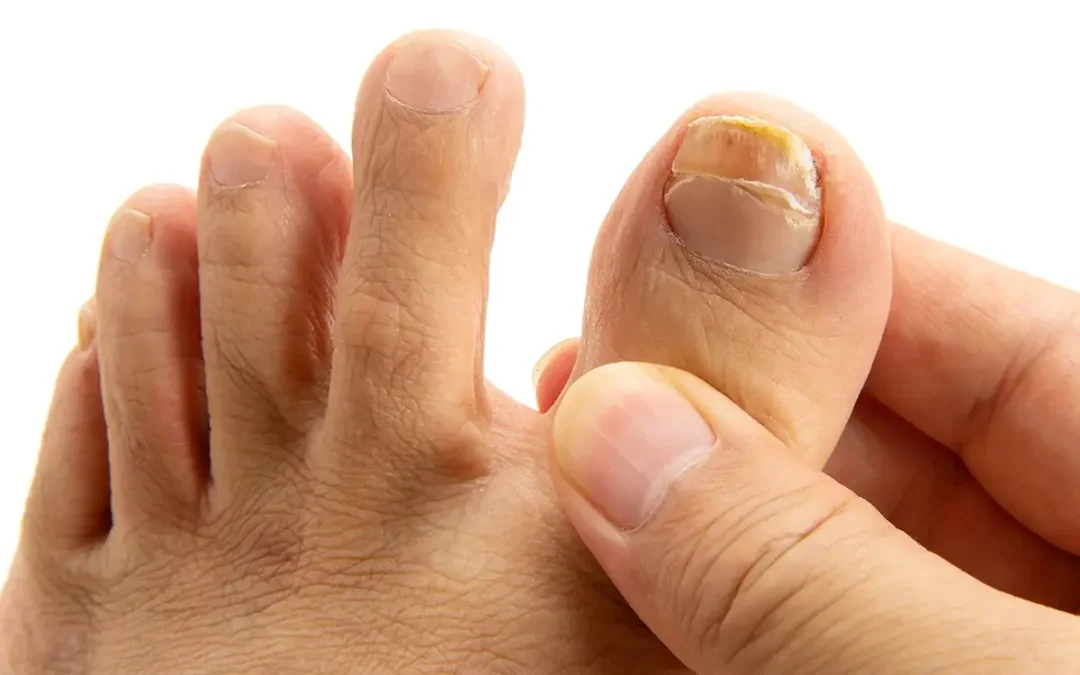
Toenail fungus is a frustrating problem that affects many people. It can be persistent and hard to get rid of. As many different types of fungi are present throughout the environment, it is very easy to contract toenail fungus. The feet are especially susceptible to...
When Flat Feet Become Problematic: Signs and Solutions
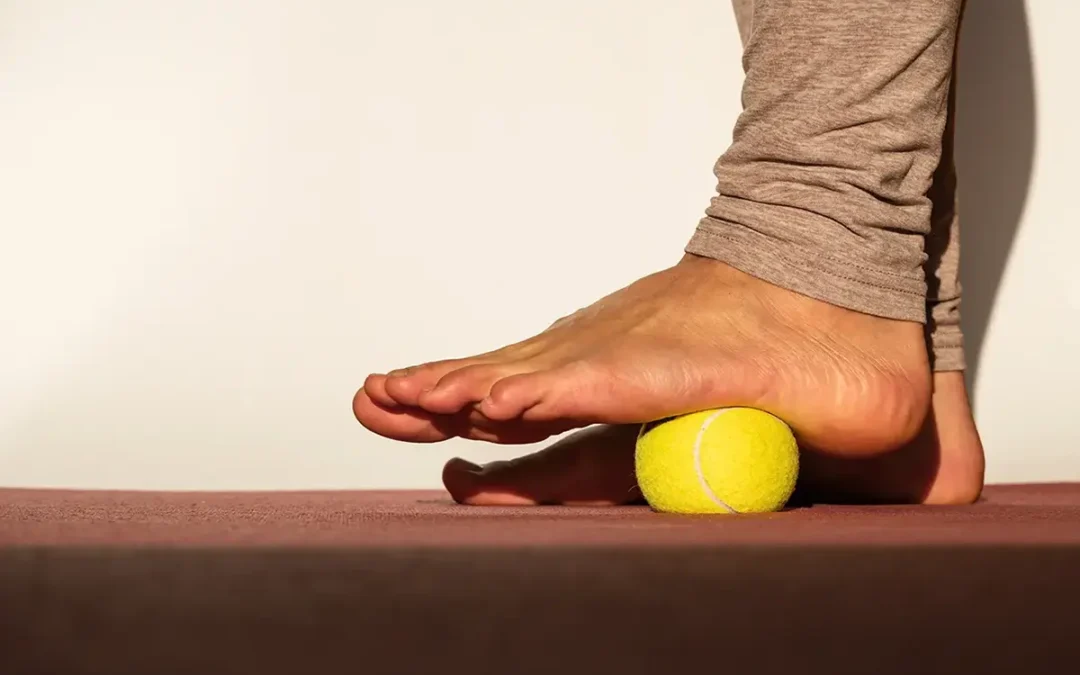
Flat feet, or pes planus, is a condition where the arch of the foot collapses, causing the entire sole to touch the ground. There are two types of flat feet. Flexible flat feet is where the arch appears when the foot is off the ground but flattens when bearing weight....
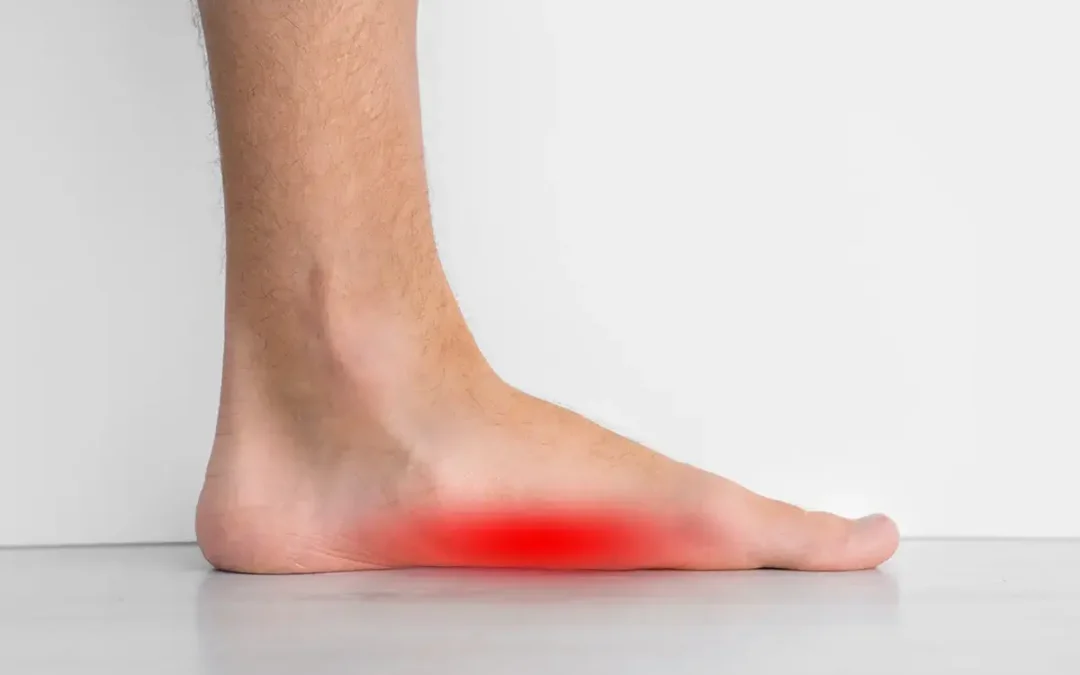
Flat Feet: What It Means for Your Foot Health
Flatfoot is a condition that occurs when the arches on the foot are flattened, which allows the soles of the feet to touch the floor. Flatfoot is a common condition and it is usually painless. Throughout childhood, most people begin to develop arches in their feet,...
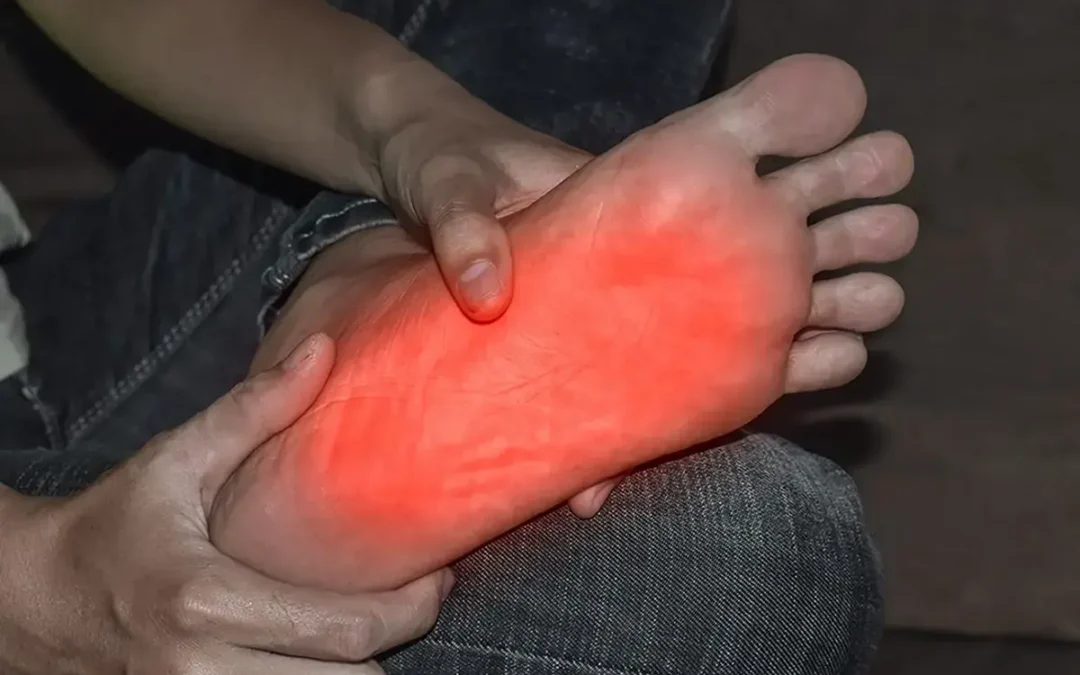
Neuropathy: Symptoms and Causes Explained
Neuropathy is a condition in which the nerves in the body become damaged from a number of different illnesses. Nerves from any part of the body, including the foot, can be damaged. There are several forms of neuropathy including peripheral neuropathy, cranial...

Understanding Peripheral Neuropathy: Causes and Management Strategies
Peripheral neuropathy presents a diverse range of conditions that affect peripheral nerves in the lower extremities, resulting in symptoms like numbness and weakness. Causes can include diabetes, infections, injuries, or toxin exposure, with certain individuals at a...
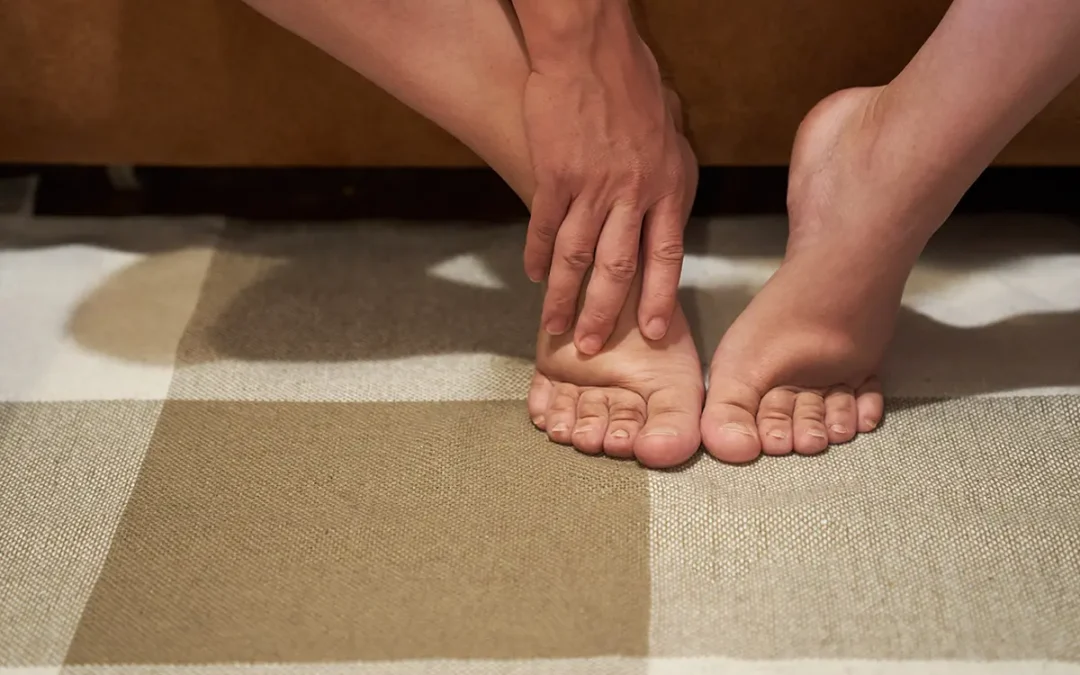
What Could Cause Swelling in the Feet? A Comprehensive Guide
Swelling of the feet, medically known as peripheral edema, can result from various causes ranging from less severe to potentially severe conditions. Mild reasons may include prolonged standing or sitting, dietary factors like excessive salt intake, or wearing...
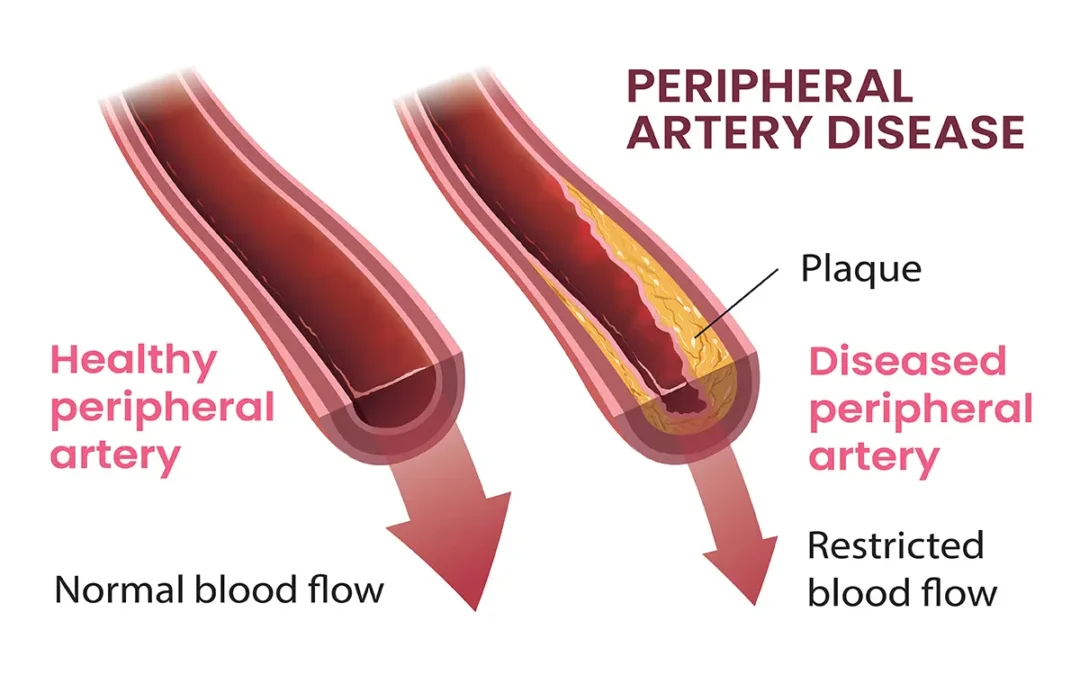
Peripheral Artery Disease: What It Means for Your Circulation and Feet
A condition common among the diabetic community is peripheral artery disease, PAD, which affects between 8-10 million people a year in the United States. Many of them are over 50 years old, studies show. PAD causes fatty buildup in the arteries, including those in the...
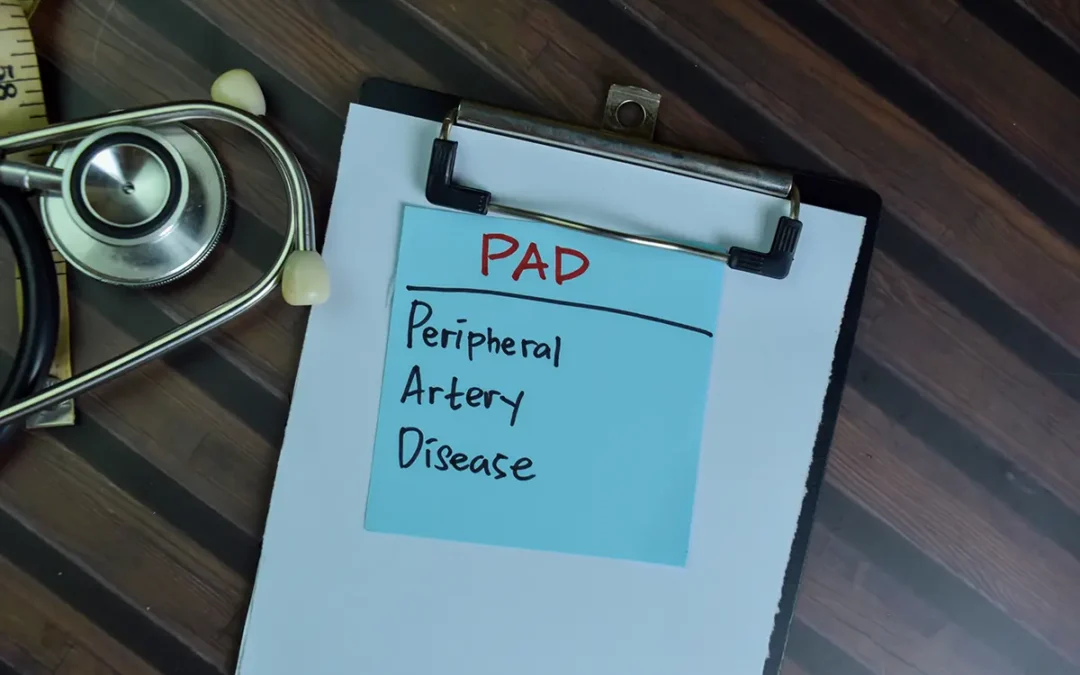
Symptoms of Peripheral Artery Disease Affecting Your Feet
Peripheral artery disease, or PAD, is a condition where the arteries that supply blood to the legs and feet become narrowed or blocked due to plaque buildup. This decreases blood flow to the lower extremities. Symptoms of PAD can vary but often include leg pain or...

The Benefits of Taking Everyday Steps for Overall Foot Health
Regular walking, with many people aiming for 10,000 steps a day, is beneficial for foot health, joint function, and overall mobility. Walking strengthens foot and ankle muscles, improves circulation, and enhances joint flexibility, reducing the risk of foot problems...
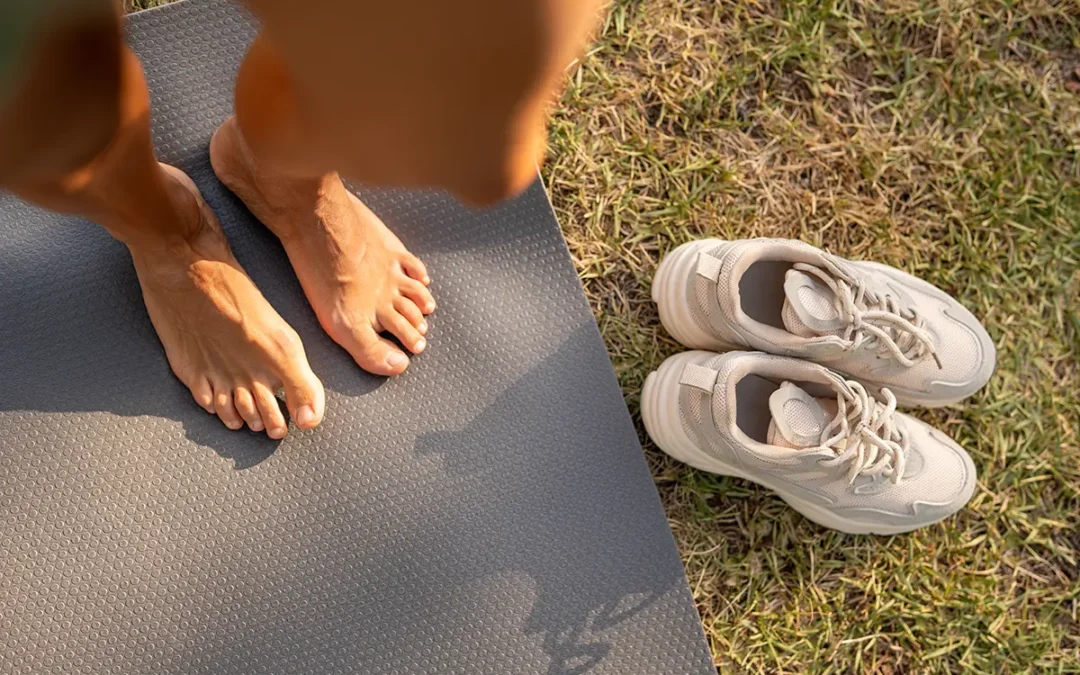
Exercises to Keep Your Feet Flexible and Strong
Foot and ankle pain can be a nuisance in a person’s life, especially if it happens frequently. The best way to prevent this type of pain, is to exercise often. Regular exercise of the foot includes stretching and strength exercises. Stretching exercises can help...