Foot Health Articles
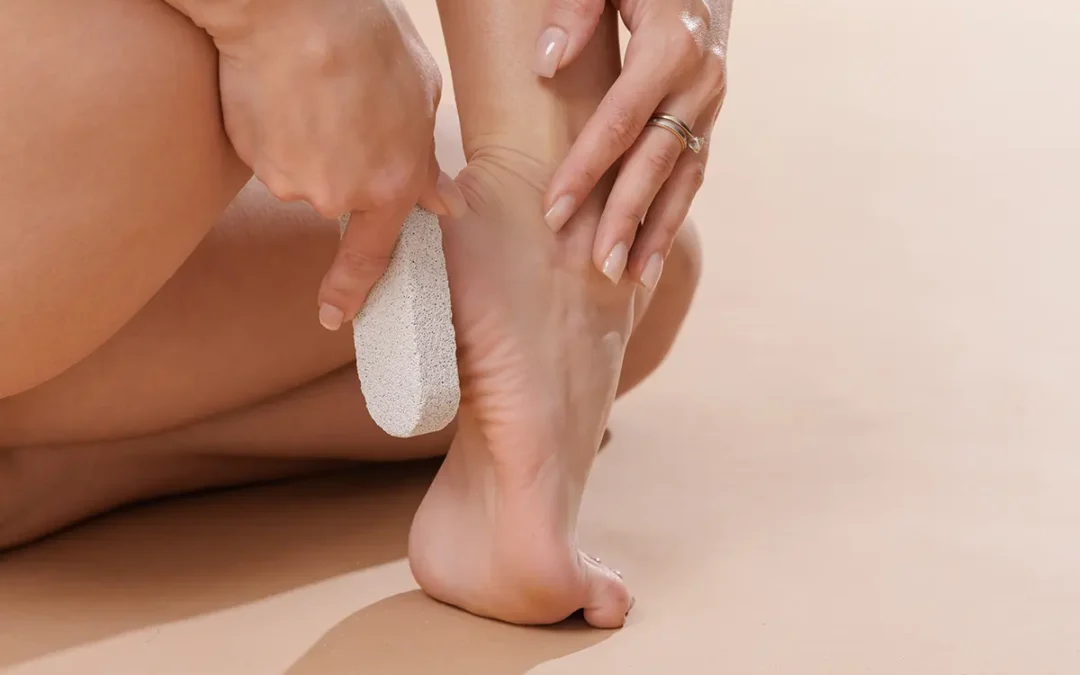
Foot Corns: Causes and Effective Treatment Strategies
Corns on the feet, medically termed keratotic lesions, are areas of thickened skin caused by repeated friction or pressure. They commonly occur on weight-bearing areas like the toes and soles of the feet. Symptoms can include localized pain or tenderness, a hardened...
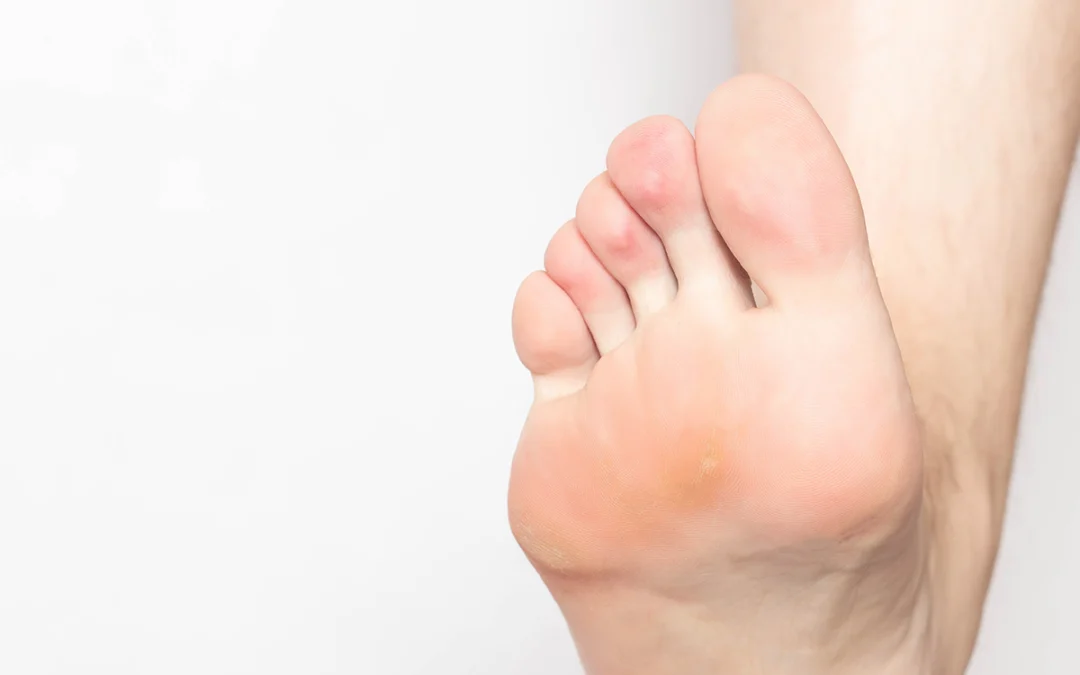
Understanding Corns and Calluses: Causes and Care
Corns and Calluses are both hardened layers of thickened skin that develop because of friction. Both ailments are typically found on the feet and may be unsightly. Although they have similarities, corns and calluses are different from each other. Some causes of corns...
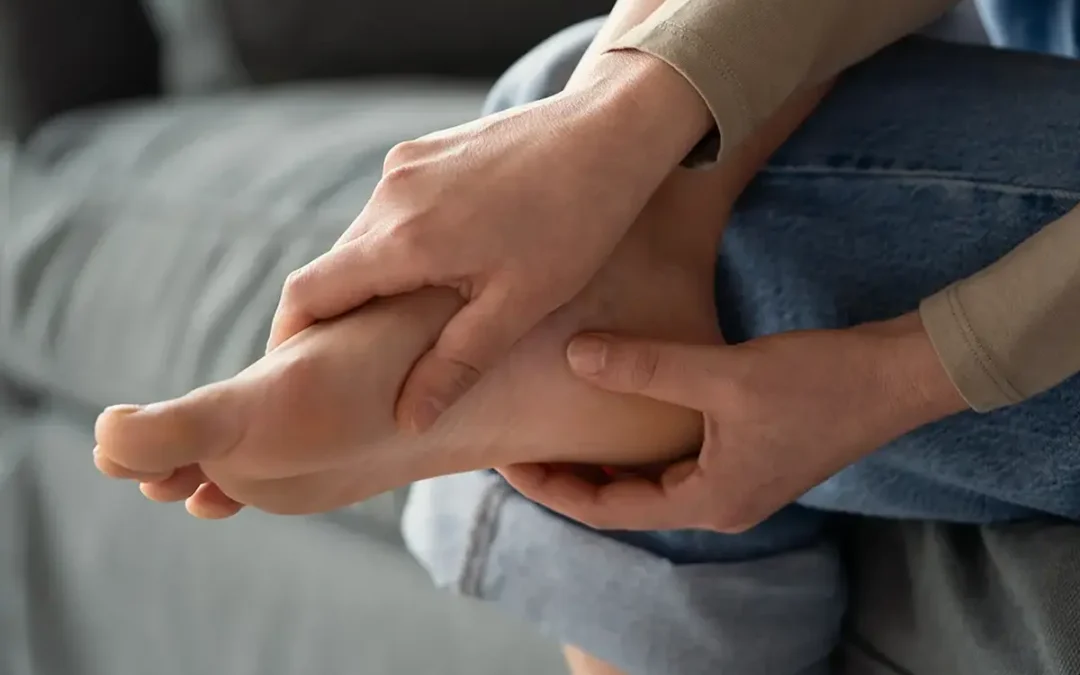
Three Common Causes of Foot Pain and How to Address Them
Feet, often overlooked until they begin to ache, play an important role in living a normal life. Three common causes of foot pain include tarsal tunnel syndrome, plantar fasciitis, and metatarsal pain. Tarsal tunnel syndrome involves compression of the tibial or...
How Heel Pain Can Affect Your Quality of Life and Well-Being
Heel pain can significantly diminish one's quality of life, affecting daily activities and mobility. Conditions such as plantar fasciitis, Achilles tendonitis, and heel spurs can cause persistent discomfort, making it challenging to walk, stand, or exercise without...

How Smoking Negatively Affects Your Feet and What to Do
Smoking can significantly affect foot health by restricting blood flow and impairing bone growth and healing processes. Nicotine in tobacco narrows blood vessels, reducing circulation to the extremities. Further, chemicals in cigarettes weaken vessel linings, which...
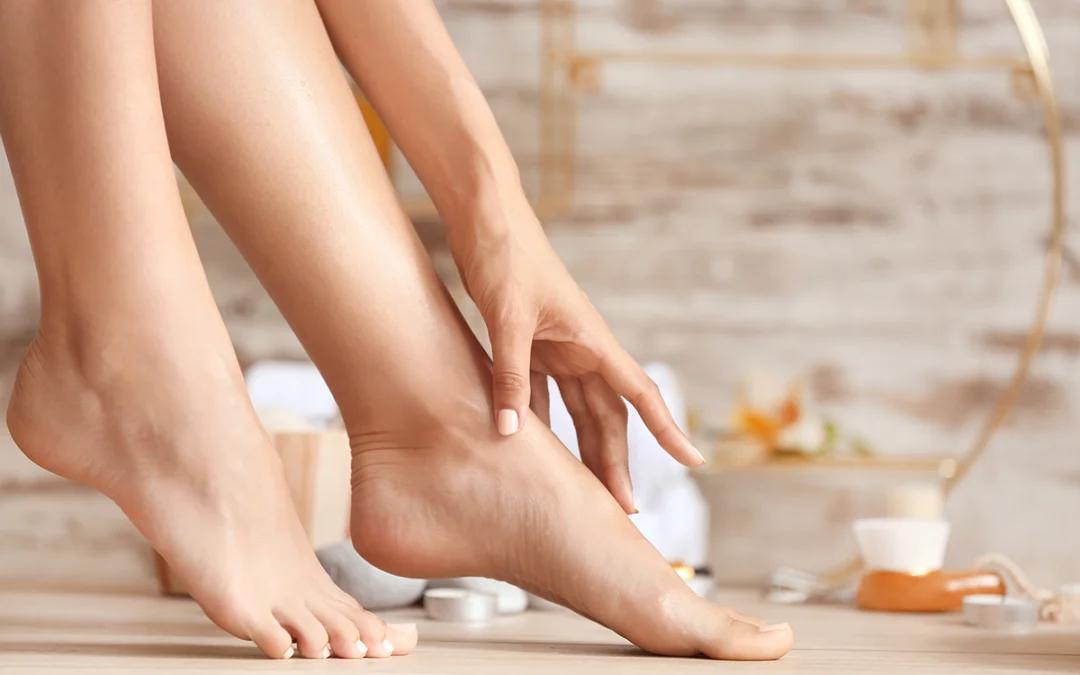
Everyday Foot Care Tips for Healthy Feet
Our feet are arguably one of the most important parts of the body. When it comes to health and beauty routines, the feet and toenails are usually ignored. You should always practice proper footcare to avoid any fungal infections or ailments that can not only ruin the...

Managing Stress Fractures of the Foot and Ankle
Stress fractures are small breaks in the bone that are caused by repetitive stress. They typically occur due to overuse, forcing the bones of the foot or ankle to continually absorb the full impact of each step taken. Stress fractures can also be caused by abnormal...

Types of Stress Fractures from Running and How to Prevent Them
One significant risk facing runners is the potential for stress fractures, which are hairline cracks in one of many bones in the feet. Metatarsal stress fractures often occur in the 2nd or 3rd metatarsals, due to their structure and the forces exerted during running....
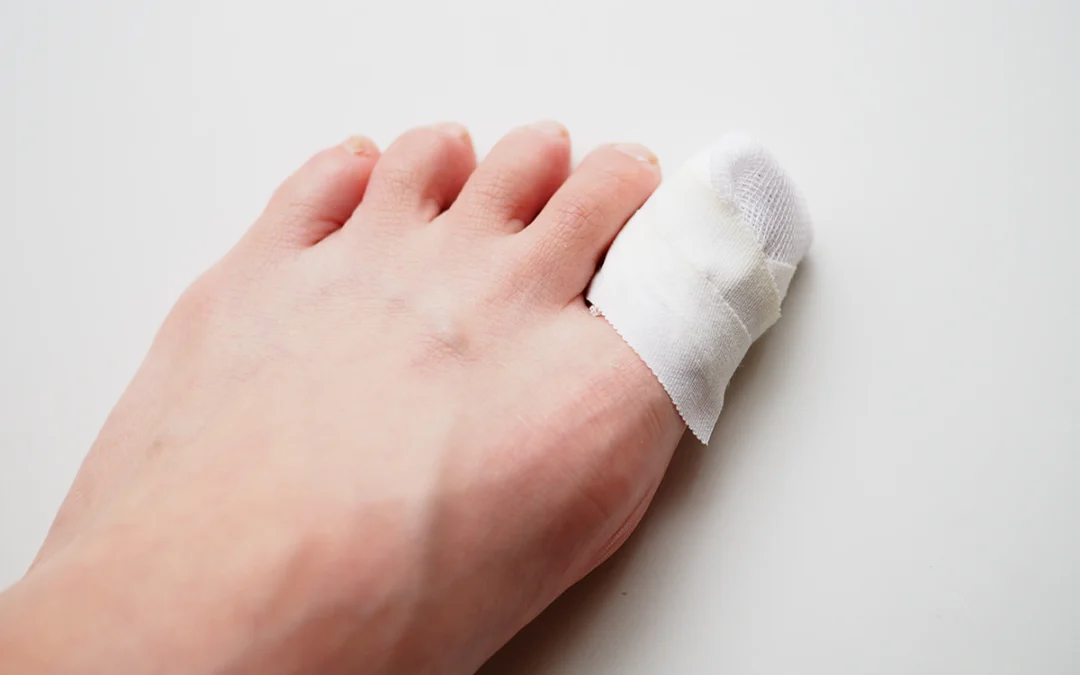
Important Facts About Broken Toes
Trauma to the foot, especially the toes, can occur in many ways. Banging them, stubbing them, or dropping something on them are a few different ways this trauma can occur. Given the fact that toes are positioned in front of the feet, they typically sustain the brunt...
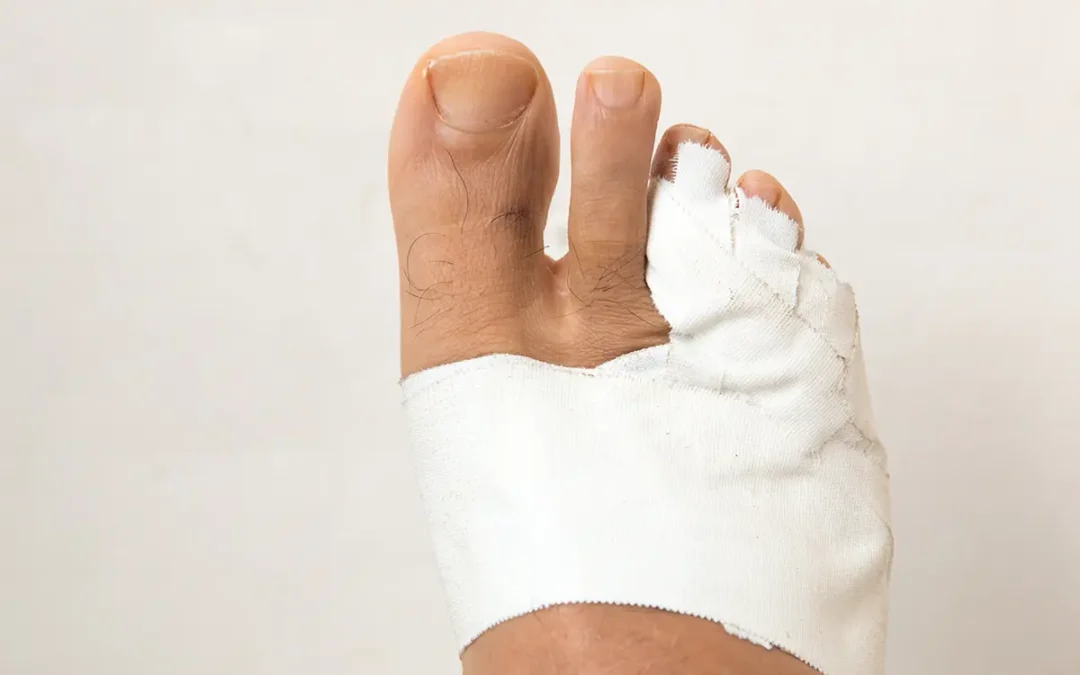
Rehabilitation Exercises to Help Heal a Broken Toe
Recovering from a broken toe can be a frustrating journey, but with the right exercises, you can expedite the healing process and regain strength and flexibility in your toe. Start with passive toe exercises, where you sit comfortably and use gentle movements to bend...
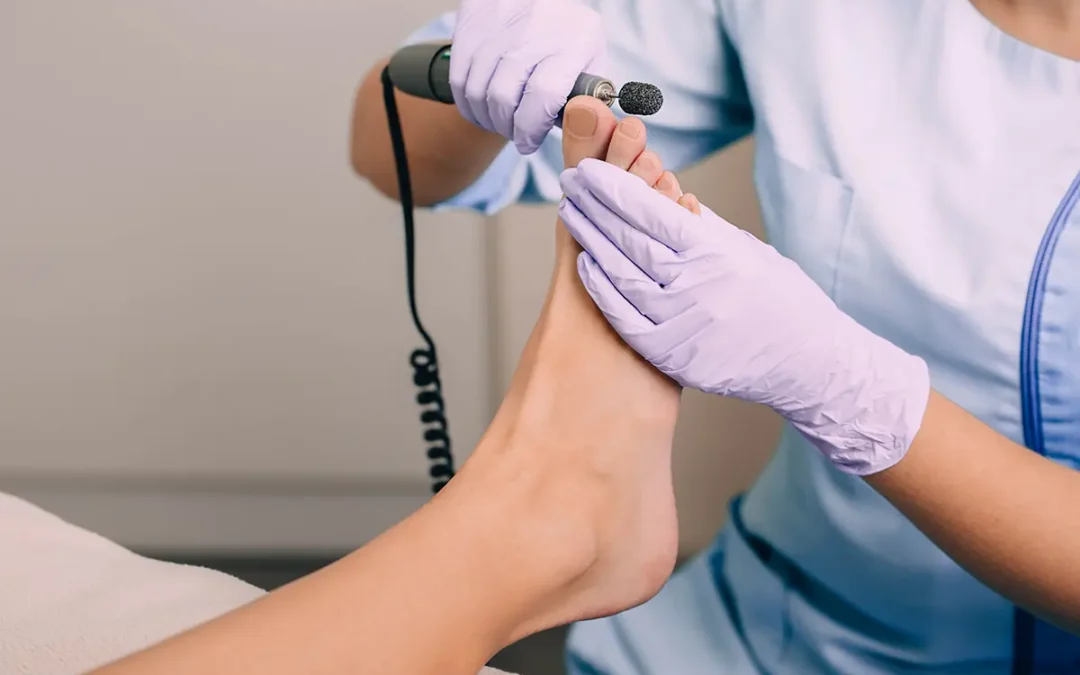
Professional Removal of Corns: What You Need to Know
Corns, small areas of thickened skin that develop on the feet due to friction or pressure, can cause discomfort and pain if left untreated. These hardened patches often form on areas of the feet subjected to repeated rubbing from ill-fitting shoes, abnormal foot...
Many Causes of Foot Arch Pain and How to Find Relief
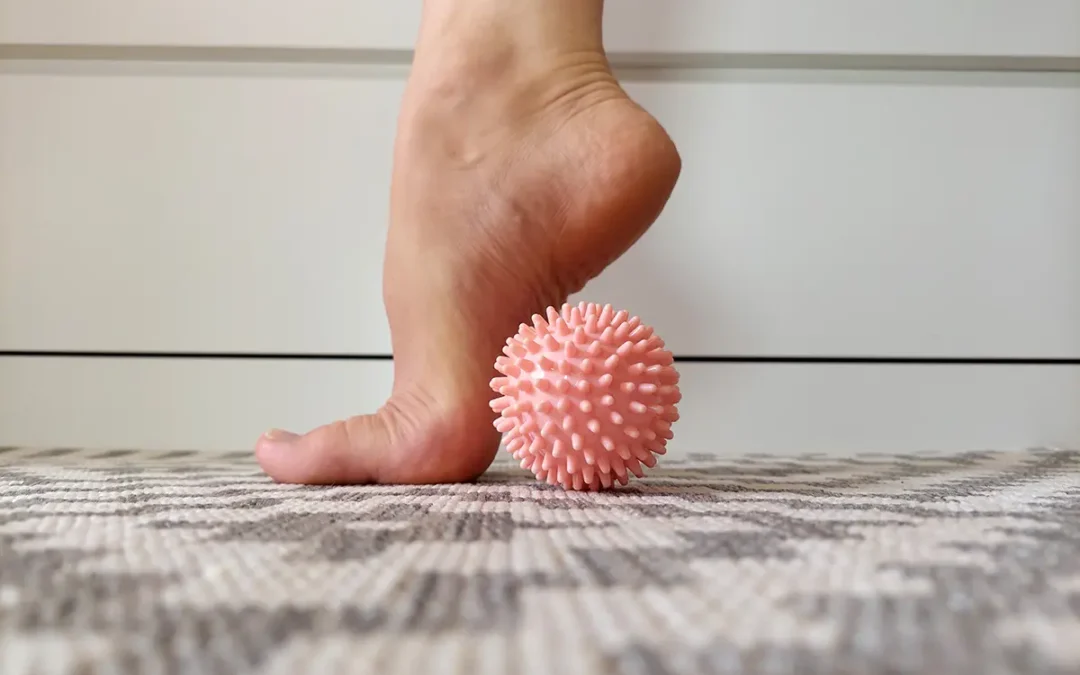
The human foot, with its intricate network of bones, is organized into two arches, one running the length of the foot and other the width. The arches are supported by ligaments, muscles, and the plantar fascia, which runs beneath the foot. They function as a shock...
Long-Term Consequences of Untreated Congenital Clubfoot
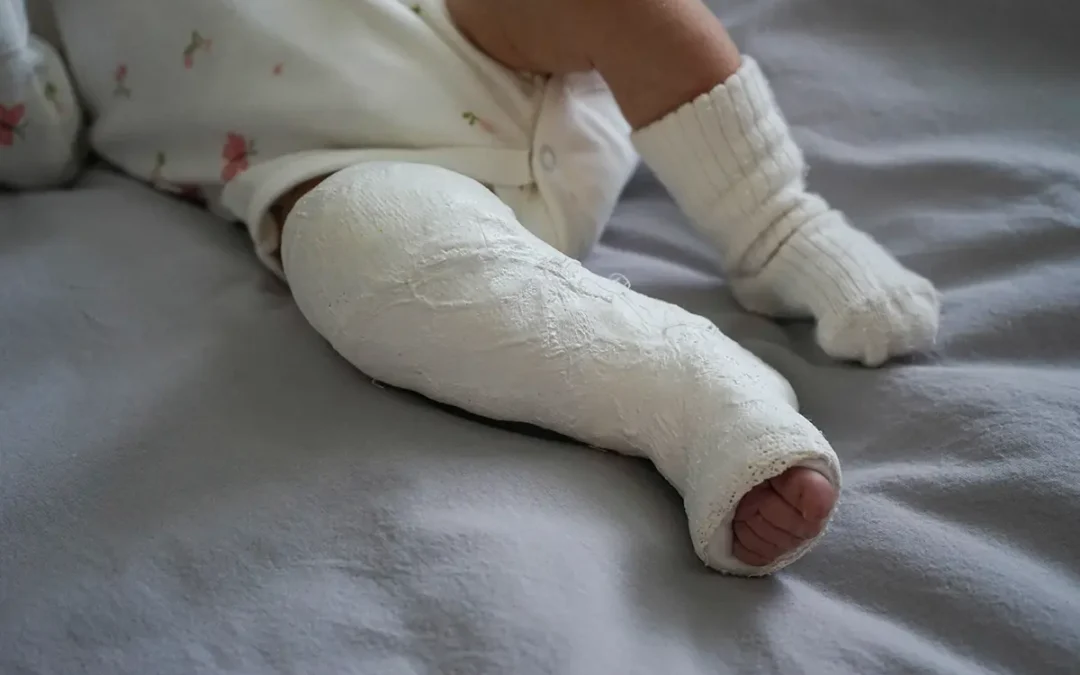
Children born with congenital clubfoot often face ongoing challenges as they grow older, such as deformity, pain, and limited function in their adolescence and early adulthood. These individuals form a diverse group, each with unique needs that demand a personalized...

Common Congenital Foot Problems and Their Treatments
A congenital foot problem is a problem affecting the feet, toes, and/or ankle that a child is born with. Several issues with a child’s feet can occur congenitally. Such problems include clubfoot, vertical talus, tarsal coalition, polydactyly, macrodactyly, and cleft...

Symptoms of Charcot-Marie-Tooth Disease and When to See a Doctor
Charcot-Marie-Tooth, or CMT disease, a hereditary neurological disorder, affects the peripheral nerves that control muscle movement. This condition is characterized by a gradual degeneration of the nerves, leading to muscle weakness, particularly in the extremities....
Recognizing Diabetes Symptoms in Your Feet Early On
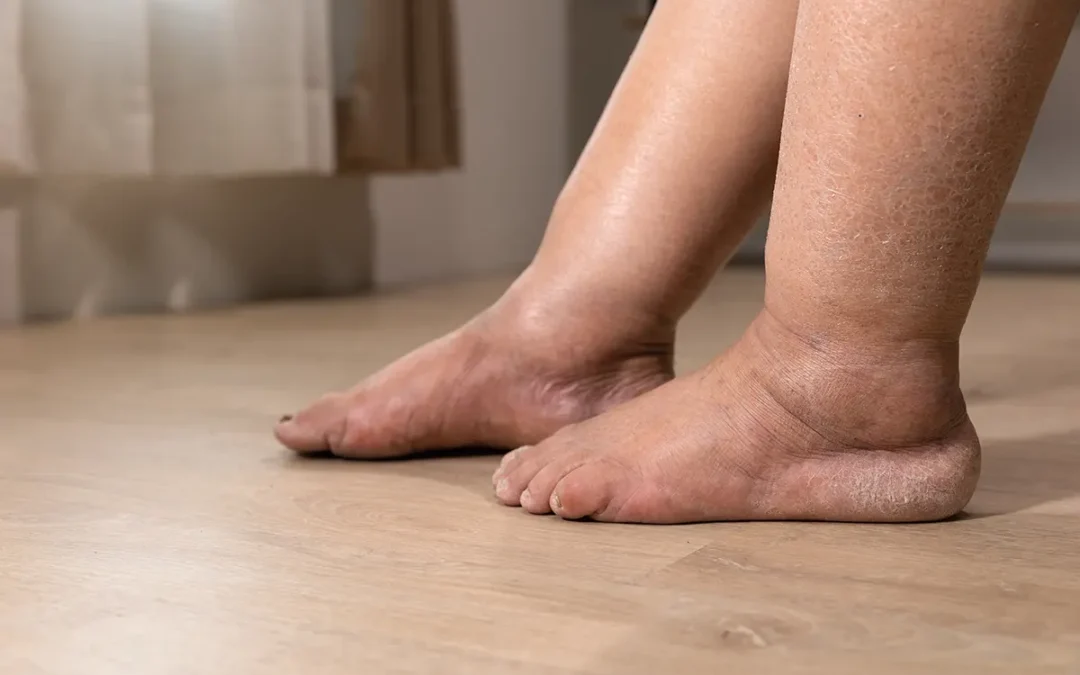
Diabetes, a metabolic disorder, can leave its imprint on the feet, serving as an important indicator of the condition. One prominent symptom is neuropathy, a tingling or numbness stemming from nerve damage. This often occurs in the feet, creating a heightened risk of...
Plantar Fasciitis: Symptoms, Causes, and Treatments Overview
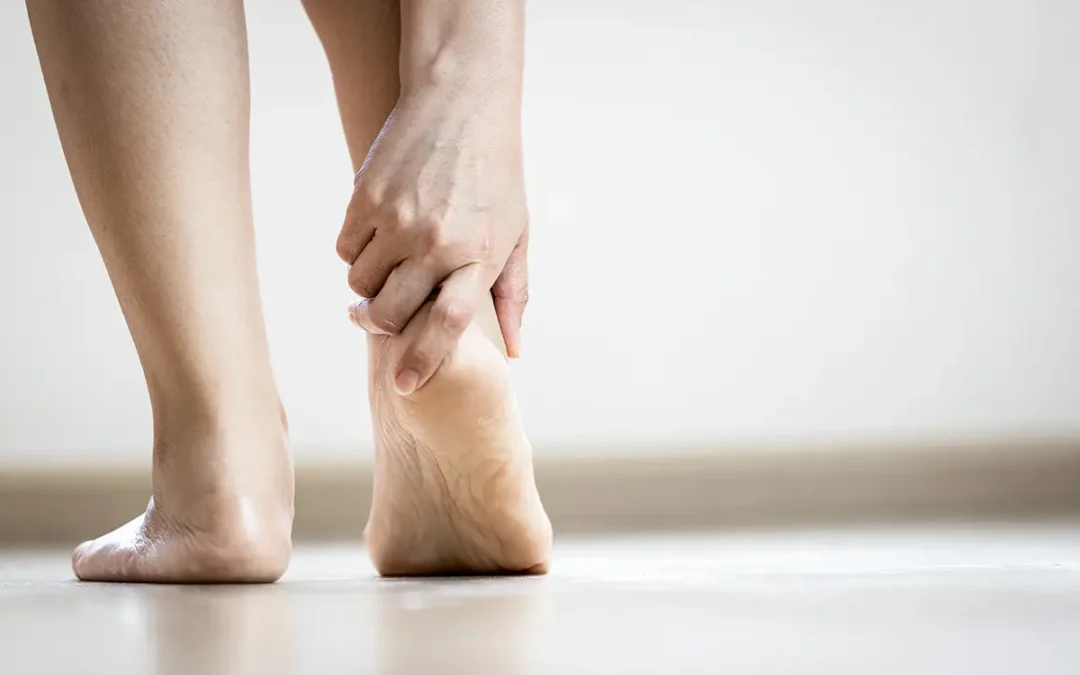
Plantar fasciitis is one of the most common causes of heel pain. The plantar fascia is the thick band of tissue that connects the heel bone to the toes. When this band of connective tissue becomes inflamed, plantar fasciitis occurs. Fortunately, this condition is...
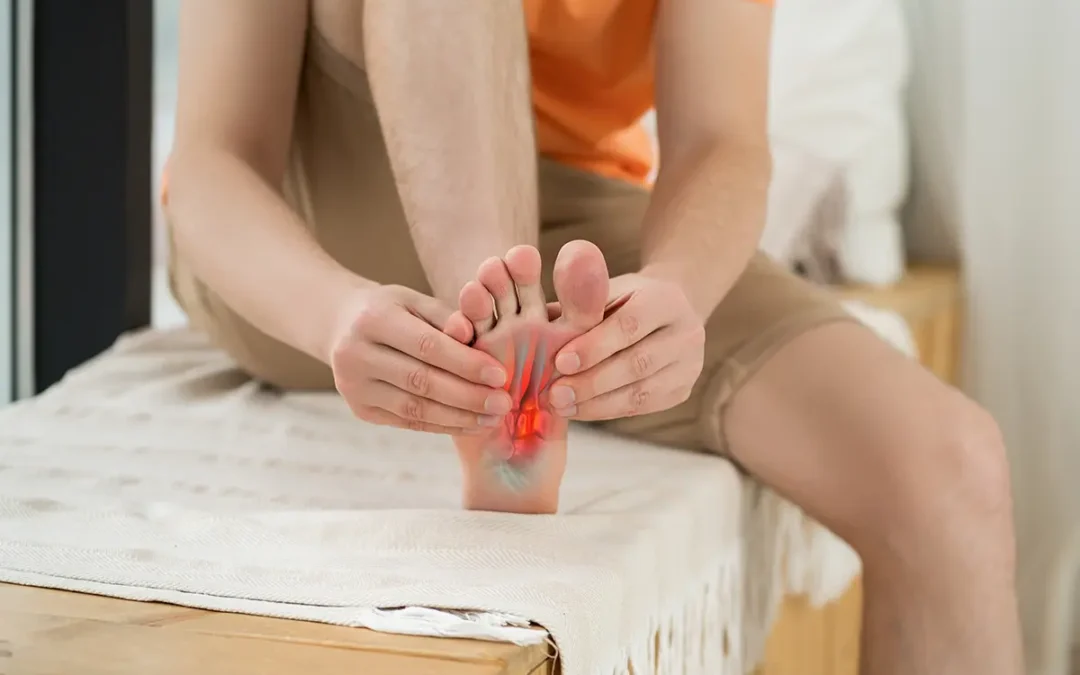
What Causes Plantar Fasciitis? Exploring the Main Triggers
Plantar fasciitis, a prevalent foot condition, unfolds as a result of inflammation in the plantar fascia, a thick band of tissue that spans the bottom of the foot. This inflammation leads to symptoms that are distinctive yet often underestimated. A primary symptom is...
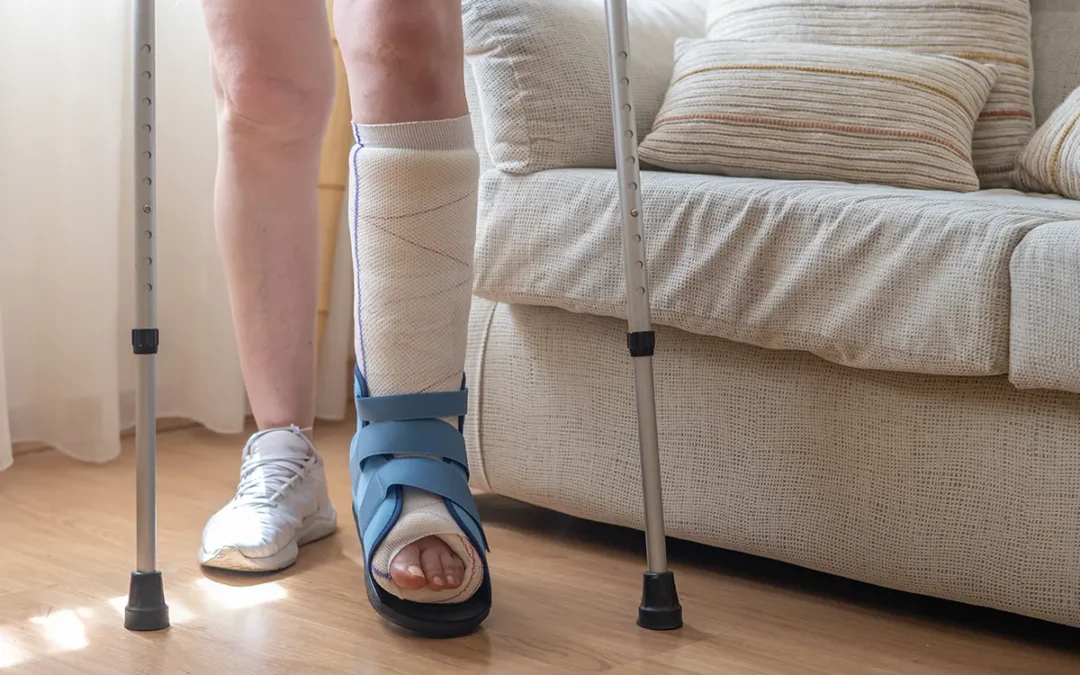
Risk Factors for Foot Stress Fractures and How to Prevent Them
Understanding the risk factors associated with foot stress fractures is pivotal in preemptively addressing this common injury. Repetitive stress on the foot, often incurred through high-impact activities like running or jumping, emerges as a primary catalyst....
Pain at the Top of the Foot: Common Causes and Remedies
Pain on the top of the foot is a common issue that can often improve within a few weeks. Common causes of top of foot pain include intense or repetitive exercise, wearing tight shoes, and conditions like gout or tendonitis. To alleviate top of foot pain, a podiatrist...
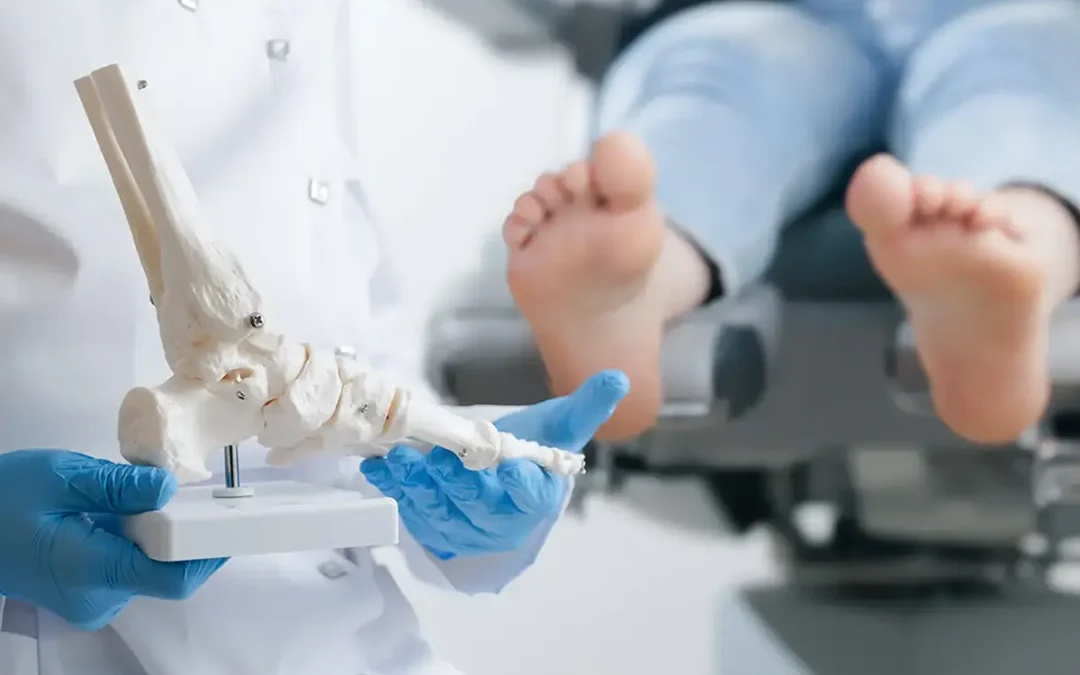
Defining and Diagnosing Foot Fractures: What to Expect
A foot fracture, also known as a broken foot, refers to the break or crack in one or more of the bones within the foot. These fractures can result from various incidents, such as traumatic injuries, repetitive stress, or weakened bone structure. Diagnosing a foot...
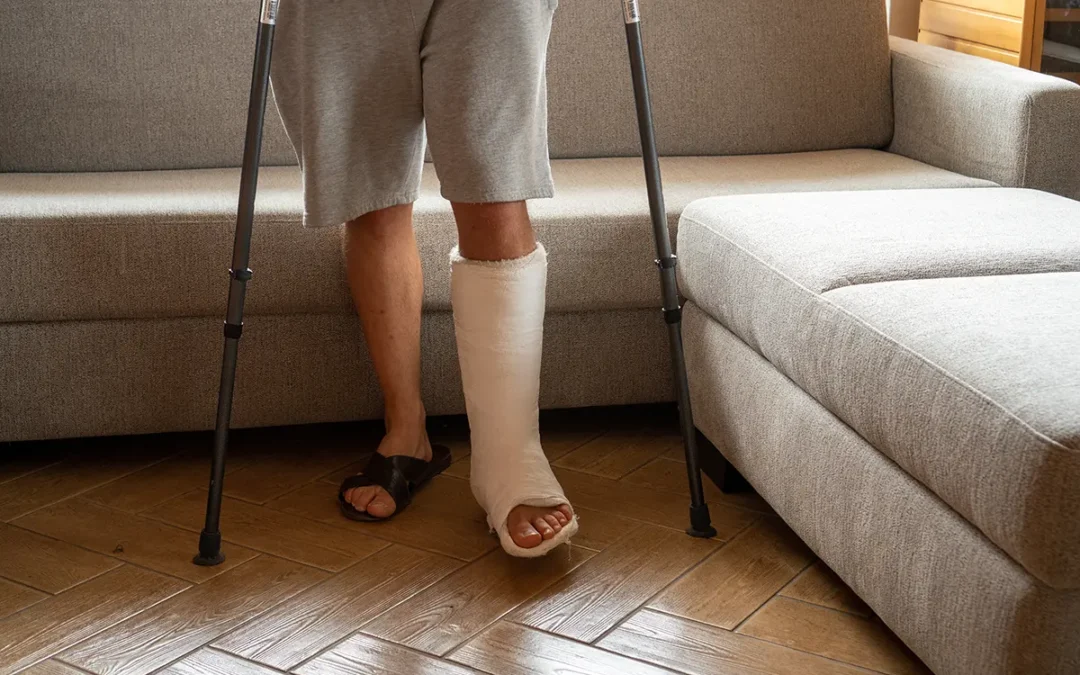
Causes, Symptoms, and Treatments for a Broken Foot Explained
The human foot has 26 different bones, and the foot is divided into three parts: the hindfoot, the midfoot, and the forefoot. Each section of the foot is composed of a different amount of bones. For instance, the forefoot is made up of 19 bones. The midfoot is...
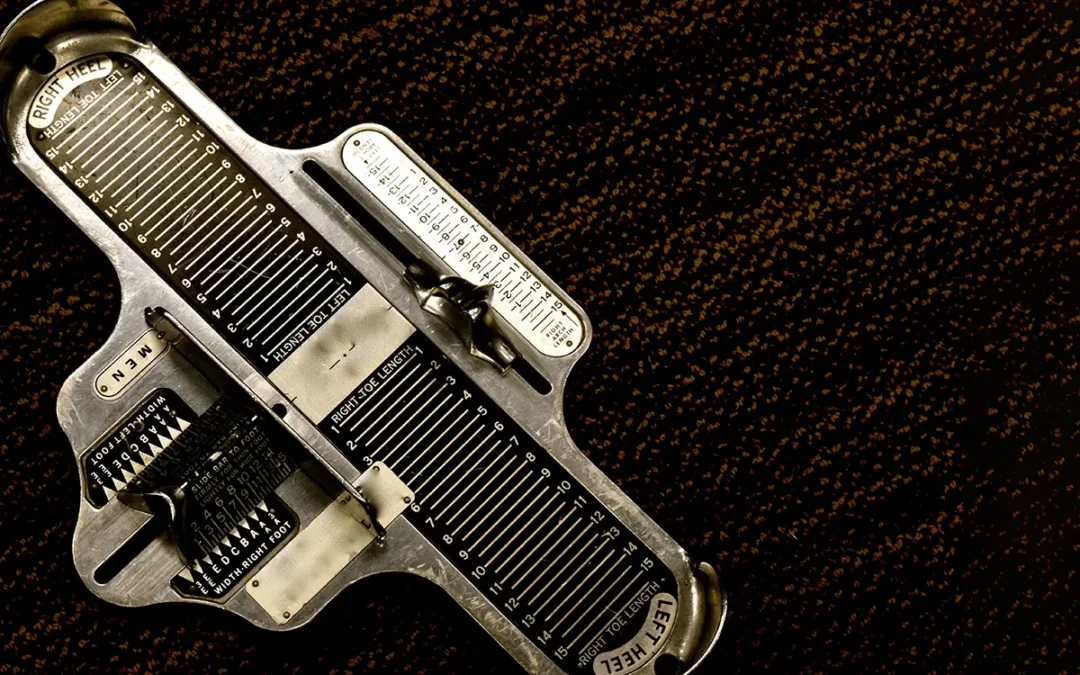
The Brannock Device: How Podiatrists Use It for Perfect Fit
In the world of podiatry, the Brannock device stands as an indispensable tool, forging a vital connection between podiatrists and accurate foot measurements. This device, designed with precision and ergonomic considerations, facilitates the podiatrist's ability to...

Getting the Right Shoe Size: Tips to Keep Your Feet Comfortable
People are constantly wearing improperly-fitting shoes. Though it isn’t hard, picking the right shoes does require keeping a few things in mind. Shoe stores have rulers so you can get an exact measurement of your feet. Be sure to always measure your feet with your...

Managing Charcot-Marie-Tooth Disorder: What You Need to Know
Charcot-Marie-Tooth disorder, or CMT, is an inherited neurological disorder that affects individuals globally. CMT is characterized by a gradual degeneration of muscles in the foot, lower leg, hand, and forearm, accompanied by a mild loss of sensation in limbs,...
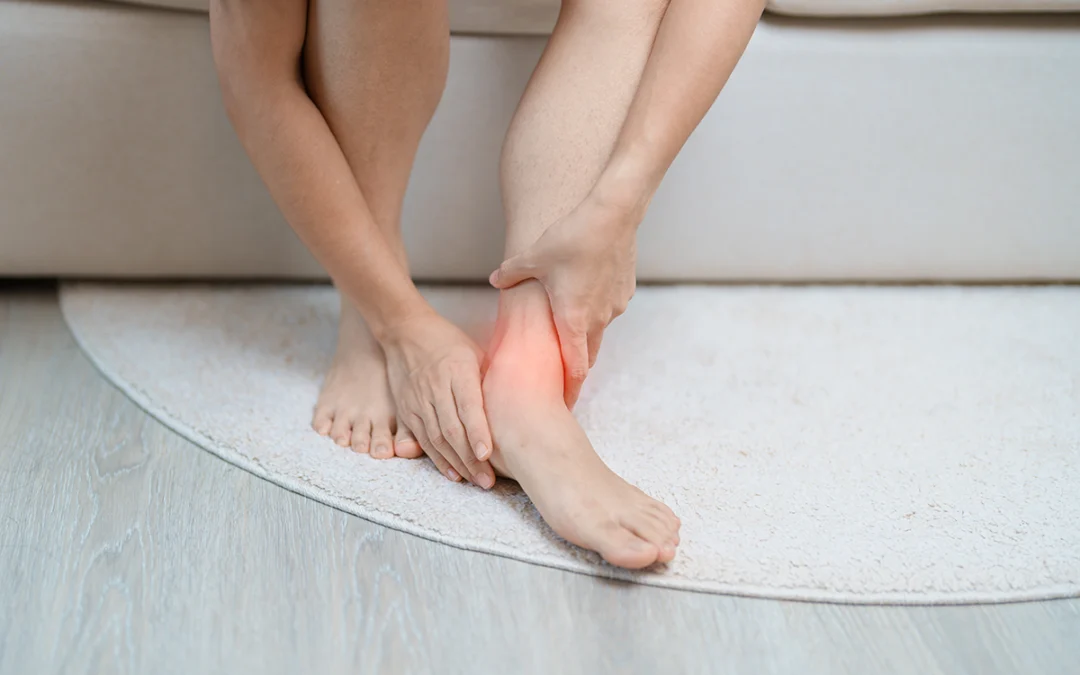
What Are Achilles Tendon Injuries?
The Achilles tendon is the strongest tendon in the human body. Its purpose is to connect the lower leg muscles and calf to the heel of the foot. This tendon is responsible for facilitating all types of movement, like walking and running. This tendon provides an...
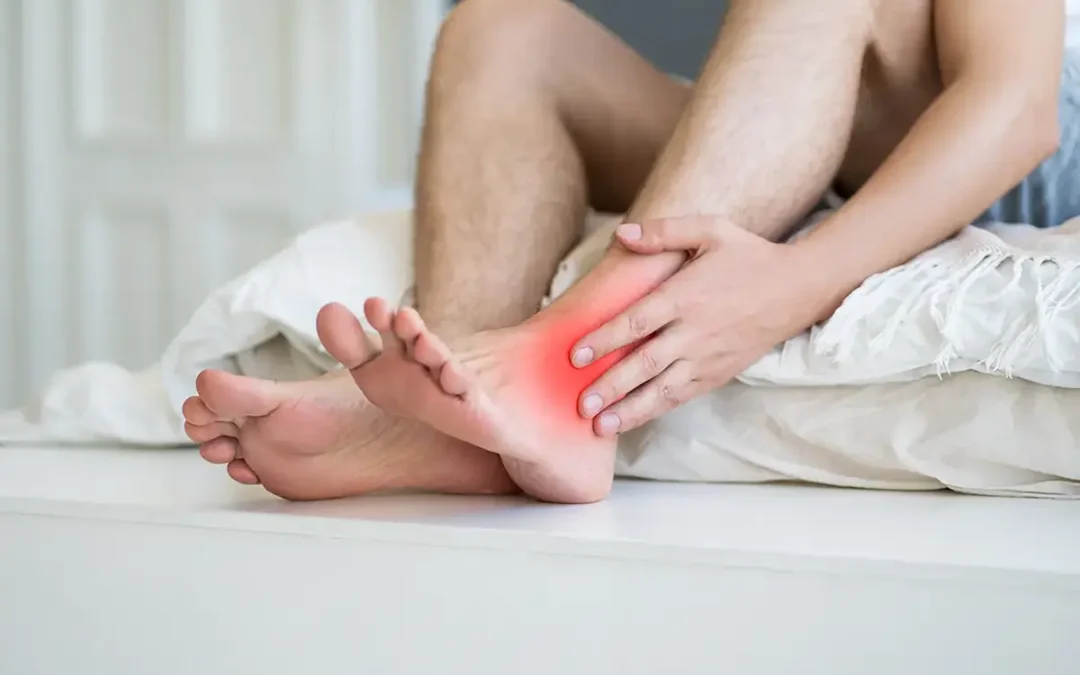
What Causes Achilles Tendonitis and How to Manage It
Achilles tendonitis is a common injury that affects both athletes and non-athletes alike. It is often the result of repeated stress on the Achilles tendon, the long tendon that connects the calf muscles to the heel. Achilles tendonitis primarily strikes the younger...

A Guide to Choosing the Right Shoes for Different Work Environments
In the diverse landscape of workplaces, the importance of choosing the right shoes transcends mere fashion, it is a vital aspect of ensuring safety and protection. Different work environments demand varying levels of resilience from your footwear. Construction sites,...
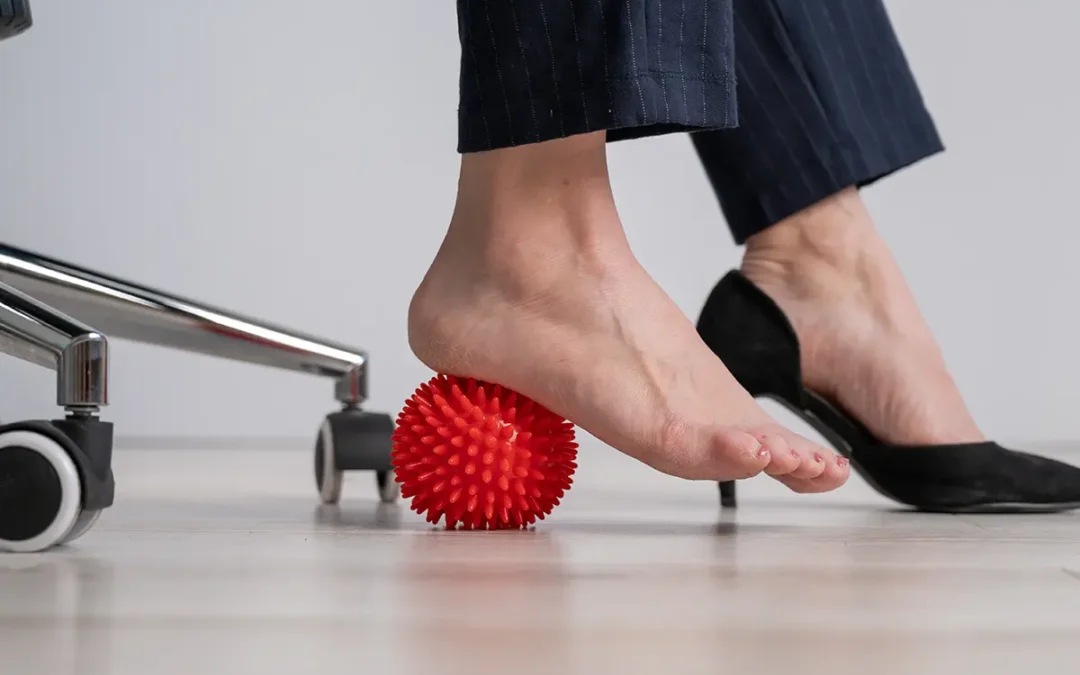
How to Cope With a Long Workday on Your Feet Without Pain
In 2014, the American Podiatric Medical Association surveyed 1,000 American adults and found that half of all respondents lived with foot pain. Fortunately, there are ways to avoid foot problems such as following a daily footcare routine and wearing proper footwear at...
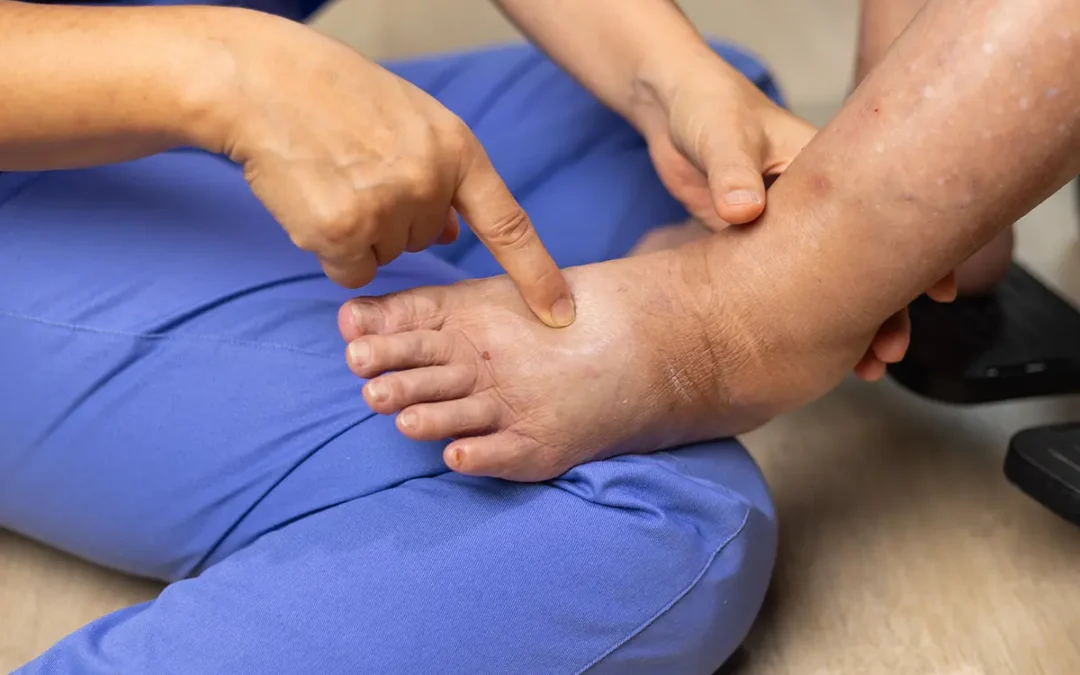
Diabetes and Foot Problems: What Every Patient Should Know
Living with diabetes involves unique challenges, particularly in foot care. Reduced blood supply and nerve function increase the risk of foot damage, including peripheral neuropathy and structural issues such as clawed toes. Regular annual podiatrist checkups play an...