Foot Health Articles
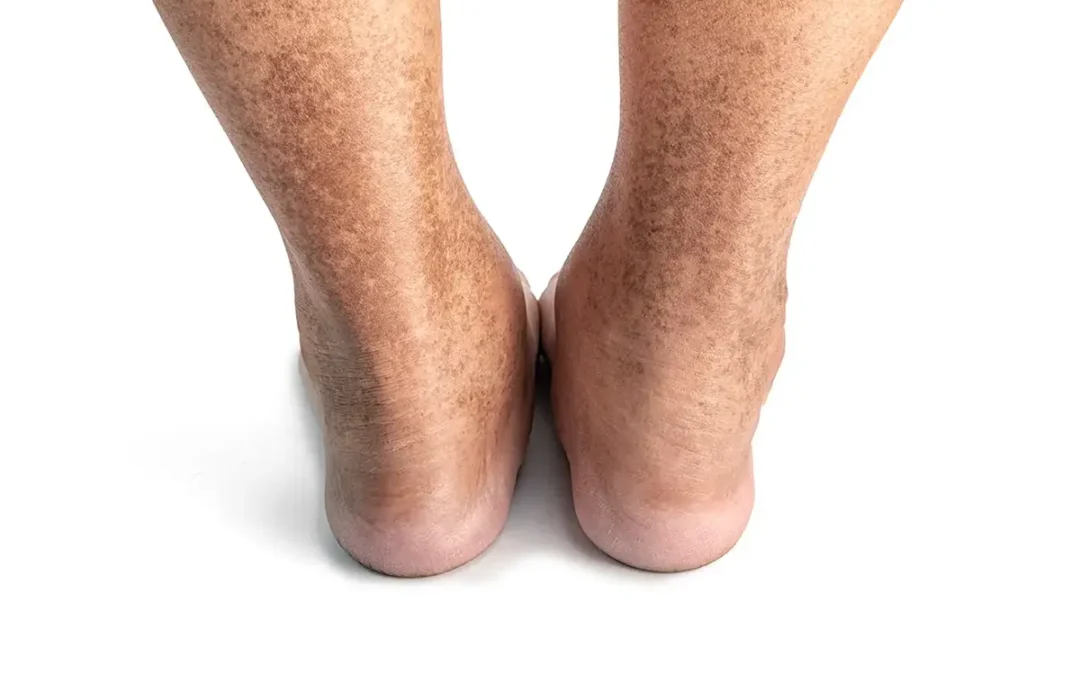
Common Diabetic Foot Conditions and How to Prevent Complications
According to the American Diabetes Association (ADA), diabetes is a condition that affects approximately 23.6 million Americans. Around 750,000 new cases are diagnosed each year, and the disease’s most common form, Type 2 diabetes, makes up for 90 to 95 percent of...

Foot Conditions Caused by Pregnancy and How to Manage Them
Pregnancy is a transformative journey, both physically and emotionally. While many anticipate changes in their bodies, some may not be aware of the potential foot conditions that can arise during this time. One common issue is edema, or swelling of the feet and...

Pregnancy and Foot Health: What to Expect
Many pregnant women complain about foot pain while they are expecting. Foot pain can primarily be caused by weight gain and hormonal changes taking place in the body. By understanding how pregnancy impacts the health of a woman's feet, a pregnant woman can take action...
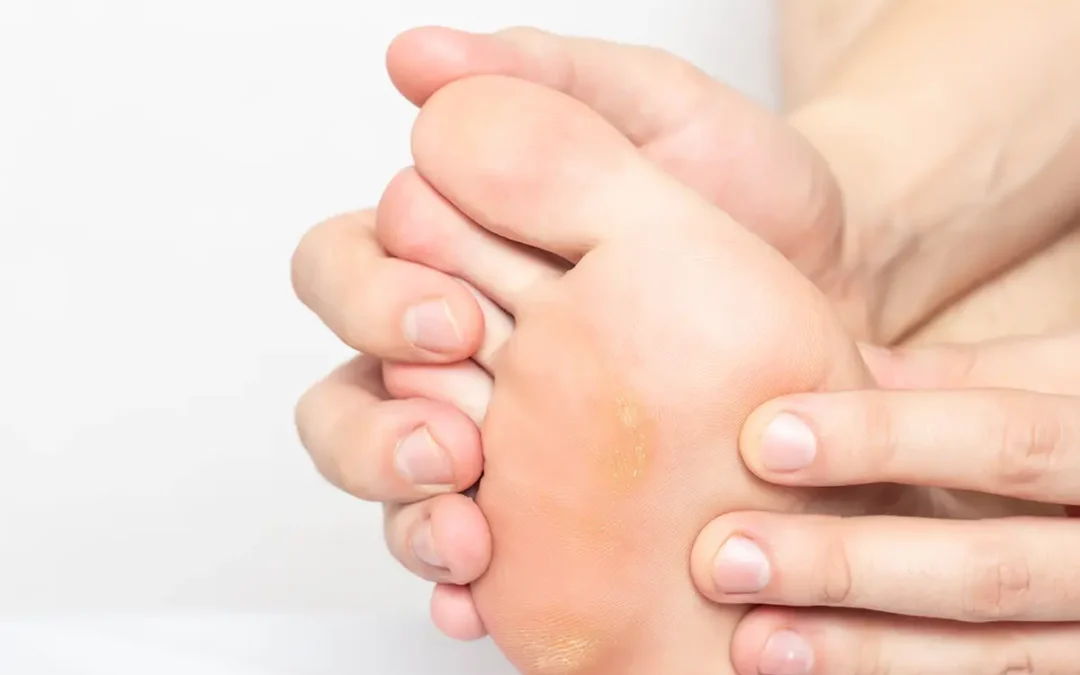
Seed Corns: What Are They and How to Deal with Them
There are a variety of conditions that can affect the feet, either at birth or acquired throughout life, and many of these require specialized care from a podiatrist. Among acquired conditions, seed corns—tiny, painful calluses that form in clusters on the...
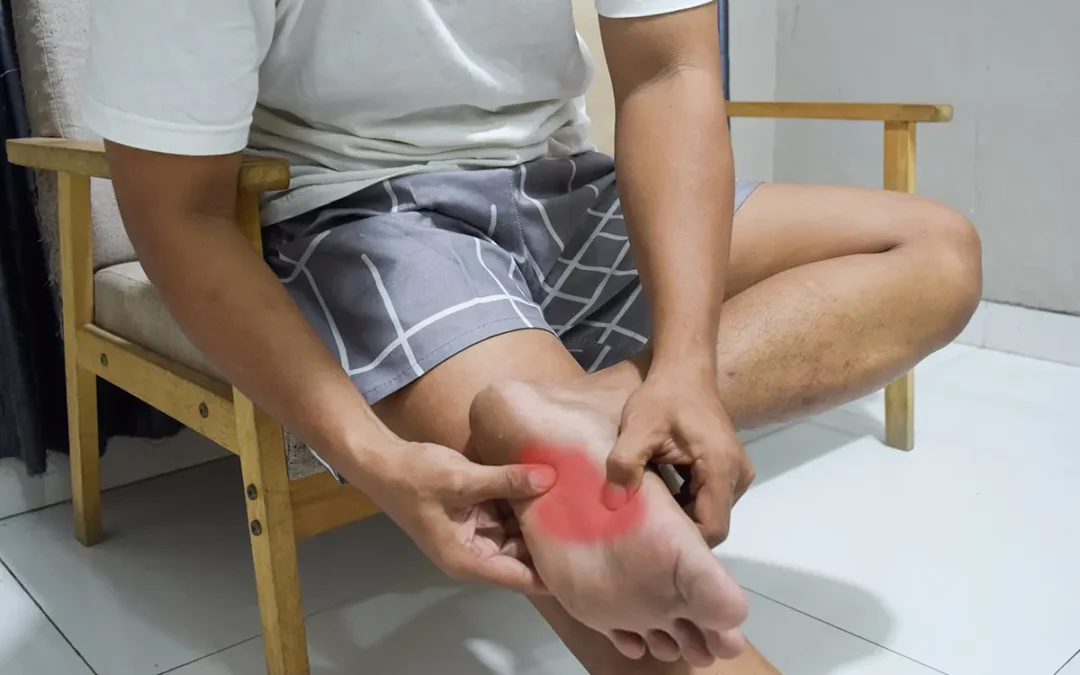
What Is Sesamoiditis and How Does It Affect Your Foot?
Sesamoiditis is a condition that affects the joint that is just behind the big toe in the area known as the ball of the foot. It is most common in younger people and people who have just begun an exercise program. Since the sesamoid bones are like a pulley controlling...
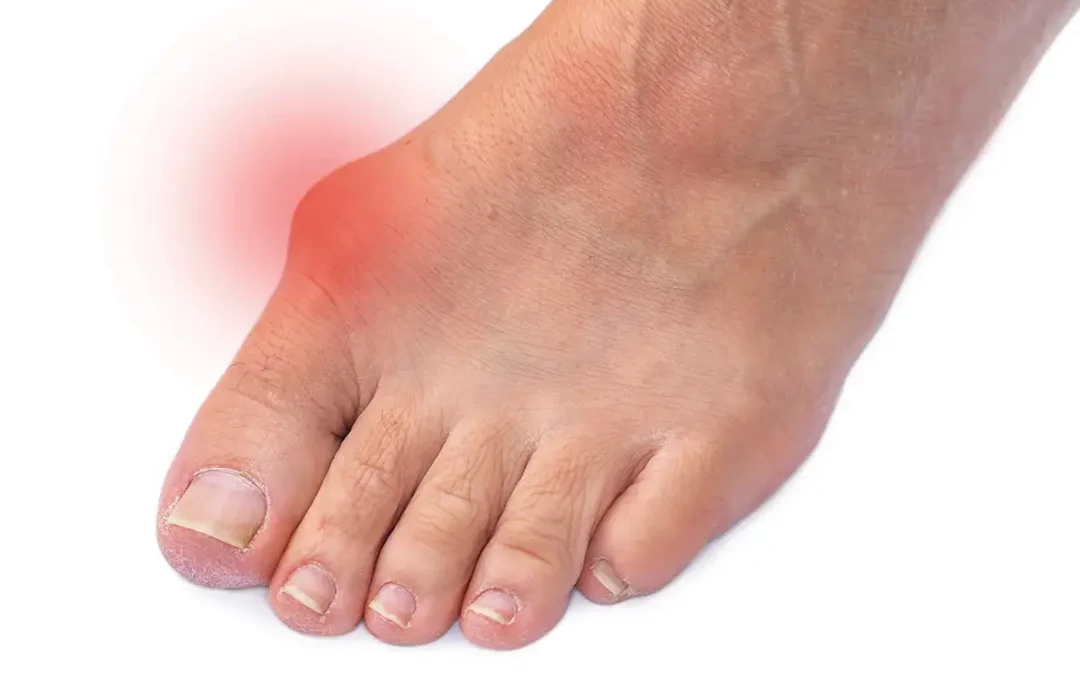
What Are Bunions? A Complete Overview
Bunions are large bony bumps at the base of the big toe. Medically known as hallux valgus, a bunion is a misalignment of the metatarsophalangeal joint, or big toe joint. The misalignment will generally worsen with time if left untreated. The exact cause of bunions is...
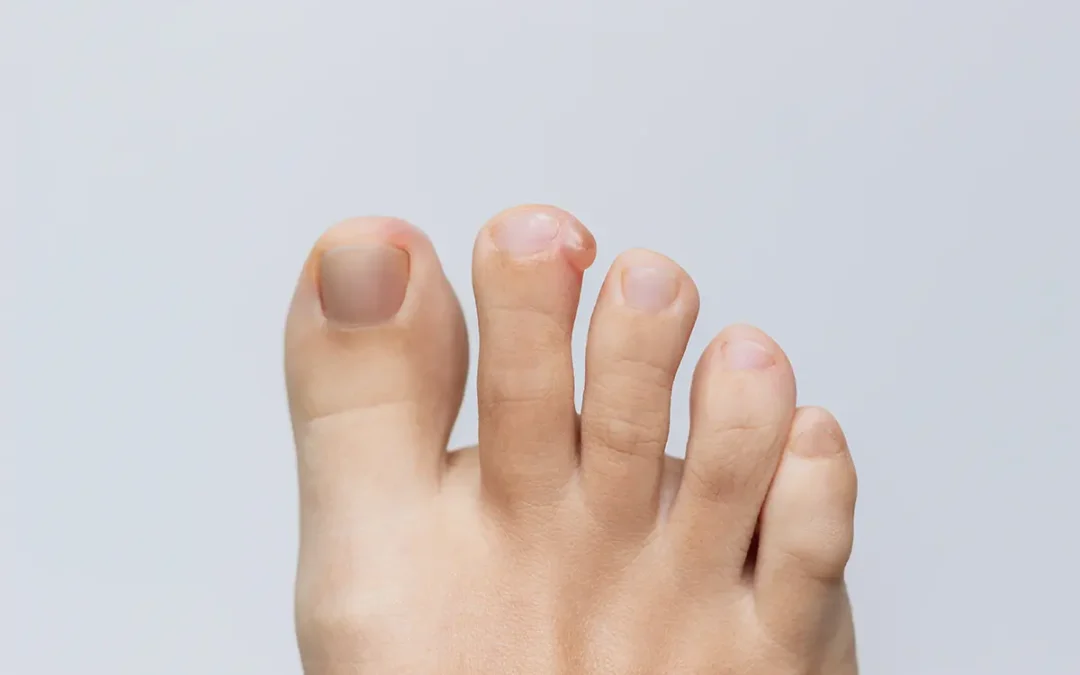
Causes of Blisters Between the Toes and How to Prevent Them
Blisters between the toes can be both painful and frustrating. Blisters between the toes often develop due to friction, moisture, or improperly fitting footwear. Friction, the repeated rubbing of toes against each other or the interior of your shoes, is a common...
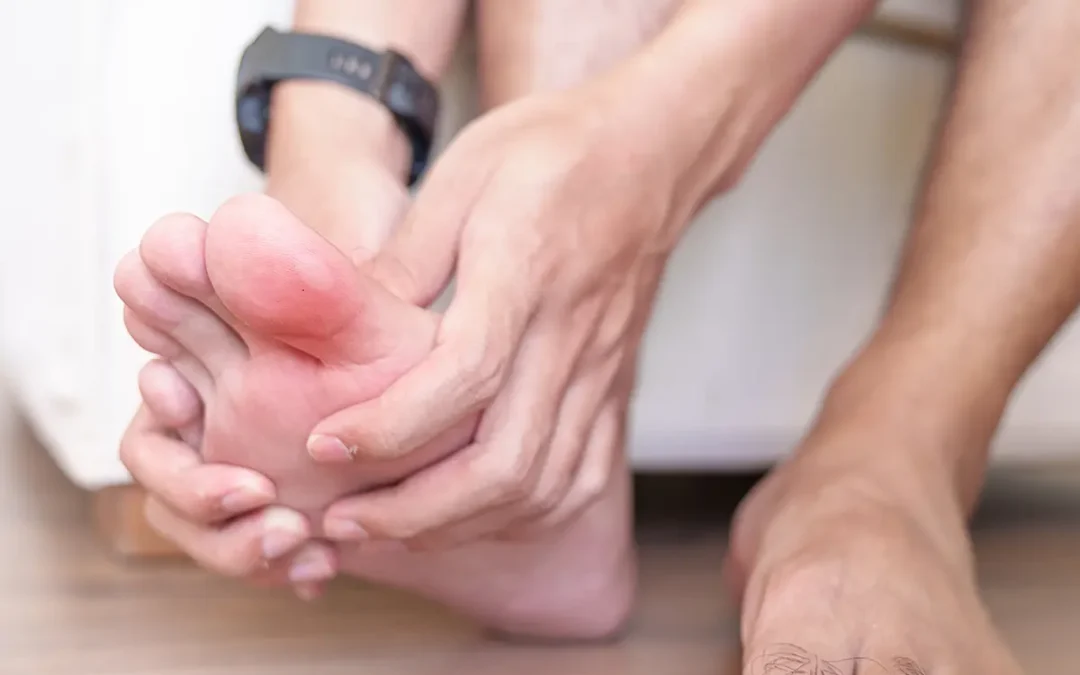
Everything You Should Know About Blisters on Your Feet
Blisters are pockets of fluid that occur under the top layer of your skin. These fluid pockets are usually filled with pus, blood, or serum. Blisters may itch or hurt and can appear as a single bubble or in clusters. The most common types of blisters are friction...

Could Your Foot Pain Be a Sign of Arthritis? What to Know
When it comes to foot pain, it's important to recognize that it can be more than just a temporary inconvenience. In fact, in many cases, foot pain might be an early sign of arthritis. This widespread condition affects millions of people worldwide, and it can have a...
Fascinating Facts About Children’s Feet and Their Development
Children's feet are remarkable in their growth and development. Understanding the unique aspects of pediatric foot health can help parents and caregivers provide better care and support for their little ones. Babies are born with a soft and pliable structure in the...
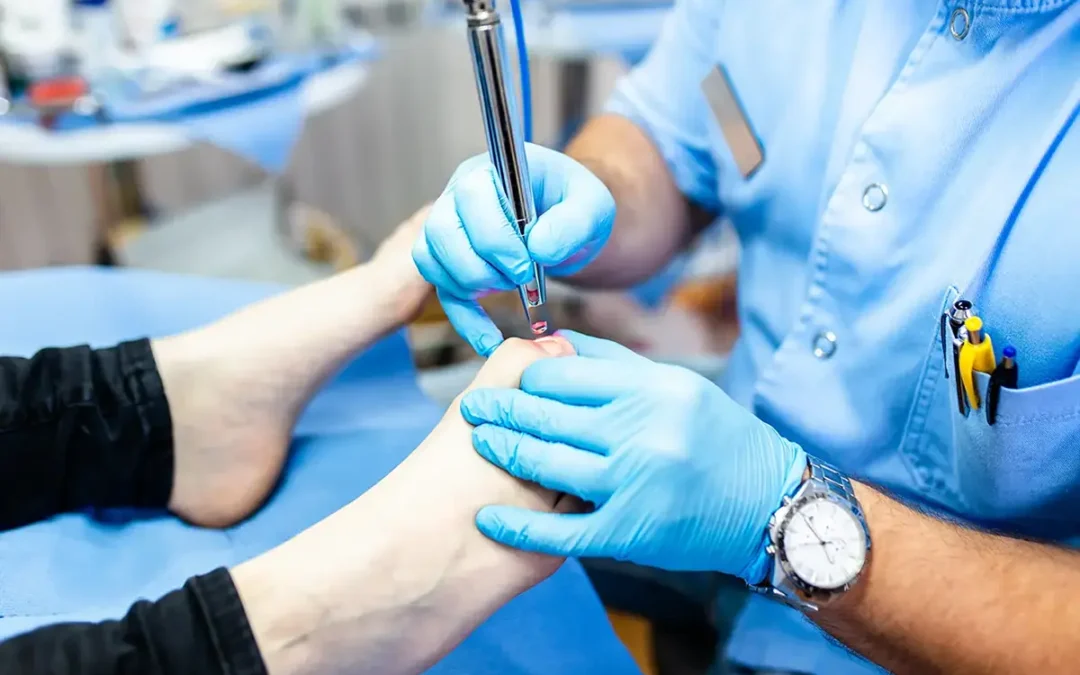
Laser Therapy and Toenail Fungus: A Modern Treatment Option
Toenail fungus, or onychomycosis, can be stubborn and challenging to treat with traditional methods. However, recent advancements in medical technology have introduced an effective alternative, which is known as laser therapy. This innovative approach utilizes...

How to Care for Your Child’s Feet: Essential Tips for Parents
Toenail fungus, or onychomycosis, can be stubborn and challenging to treat with traditional methods. However, recent advancements in medical technology have introduced an effective alternative, which is known as laser therapy. This innovative approach utilizes...
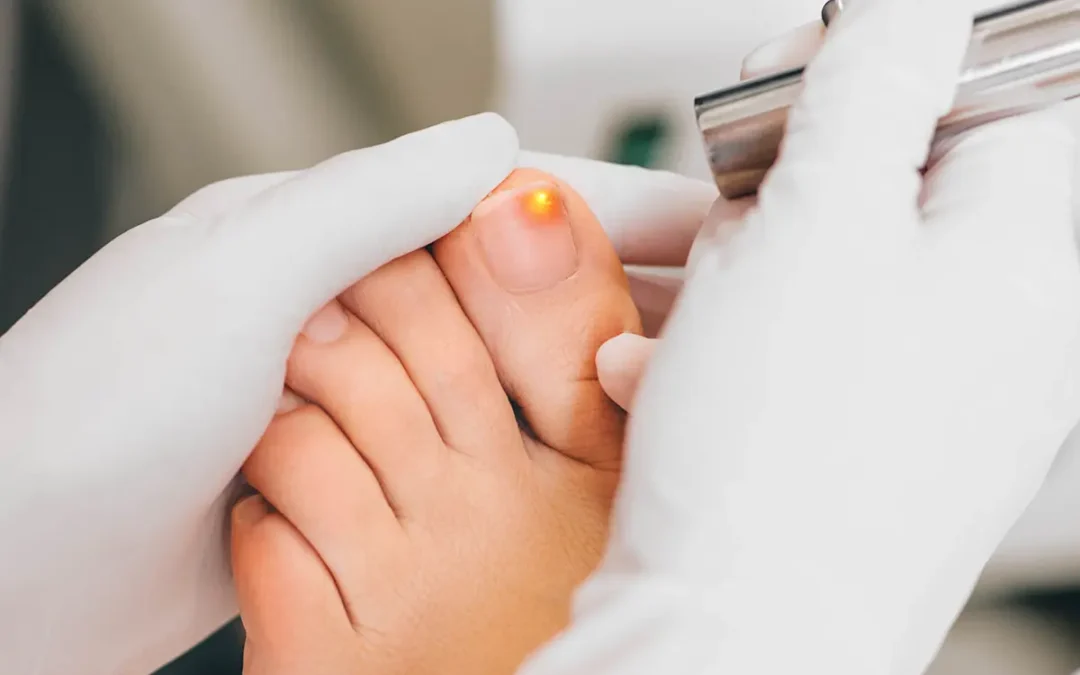
Laser Treatment for Fungal Nails: How It Works and Who Benefits
A new treatment for fungal nails, or onychomycosis, which has grown in popularity in recent years, is laser treatment. Laser treatment involves the use of a laser that kills fungus in the toenail with heat. Laser therapy causes no side effects and does not affect...

Identifying Risk Factors for Falling: Prevention Tips for Safety
Falls, often underestimated, can have serious consequences, especially as we age. Recognizing the risk factors that contribute to falls is the first step in ensuring our safety and well-being. These factors encompass a range of physical, environmental, and lifestyle...
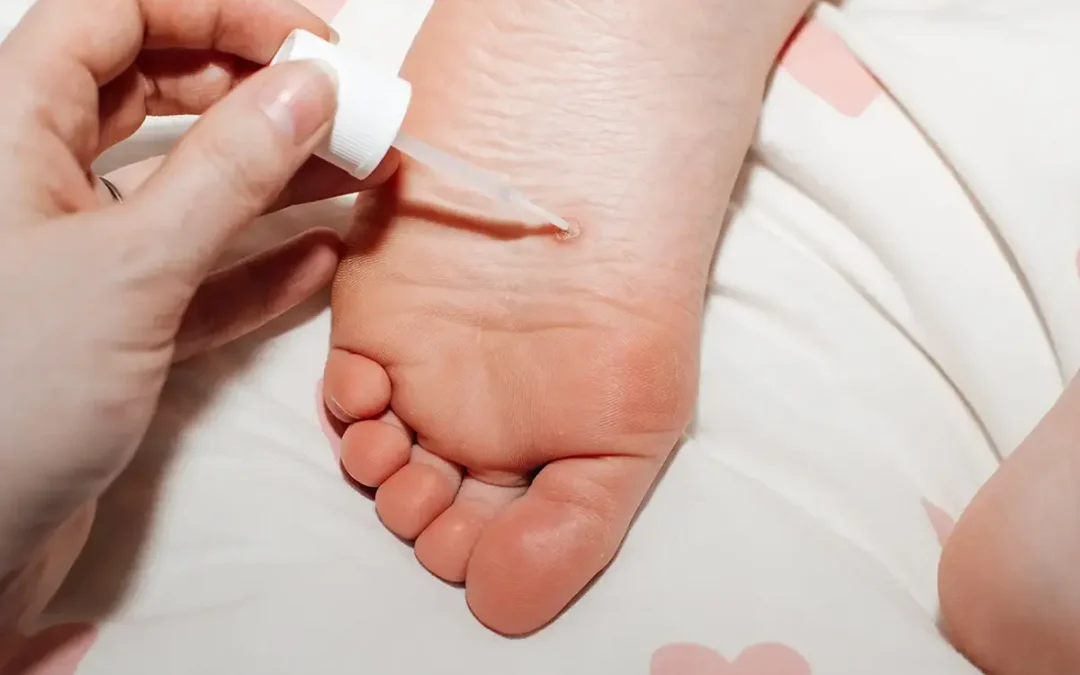
What Are Plantar Warts? Causes and Treatments
Plantar warts are described as small growths that appear on the heels or other areas of the feet that bear a large amount of weight. The pressure in these areas causes plantar warts to hide behind thick layers of skin called calluses. In most cases, plantar warts are...
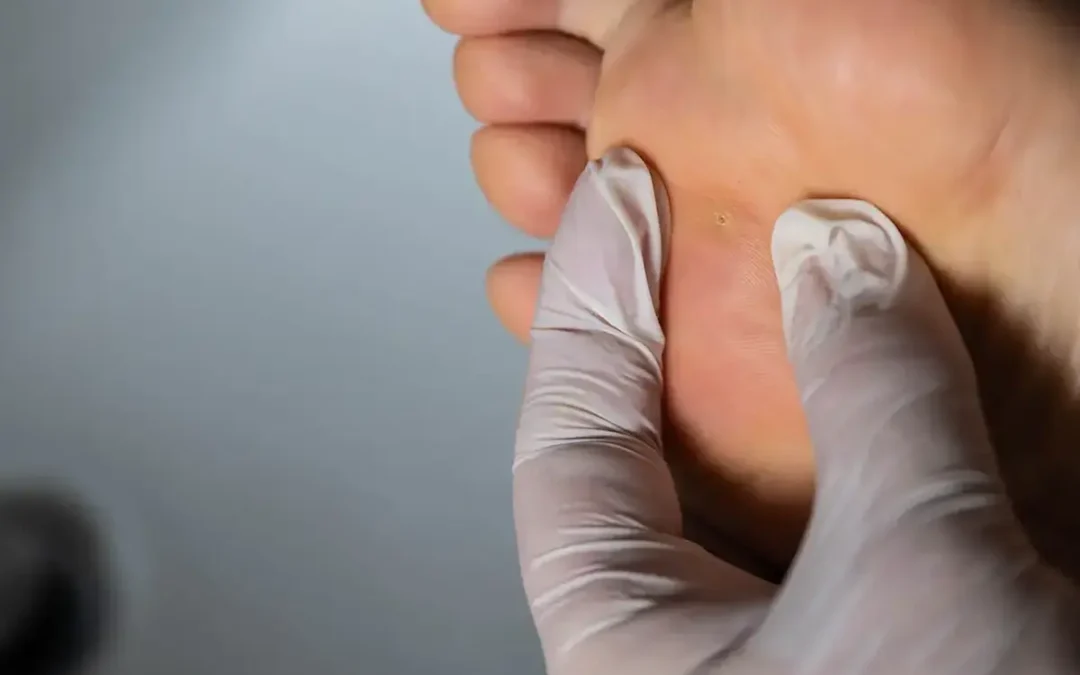
How to Treat and Prevent Plantar Warts Effectively
Plantar warts are stubborn growths caused by human papillomavirus, abbreviated HPV, and can be a source of discomfort and frustration. If you are attempting to manage these types of warts, there are effective ways to address them. Over-the-counter treatments...
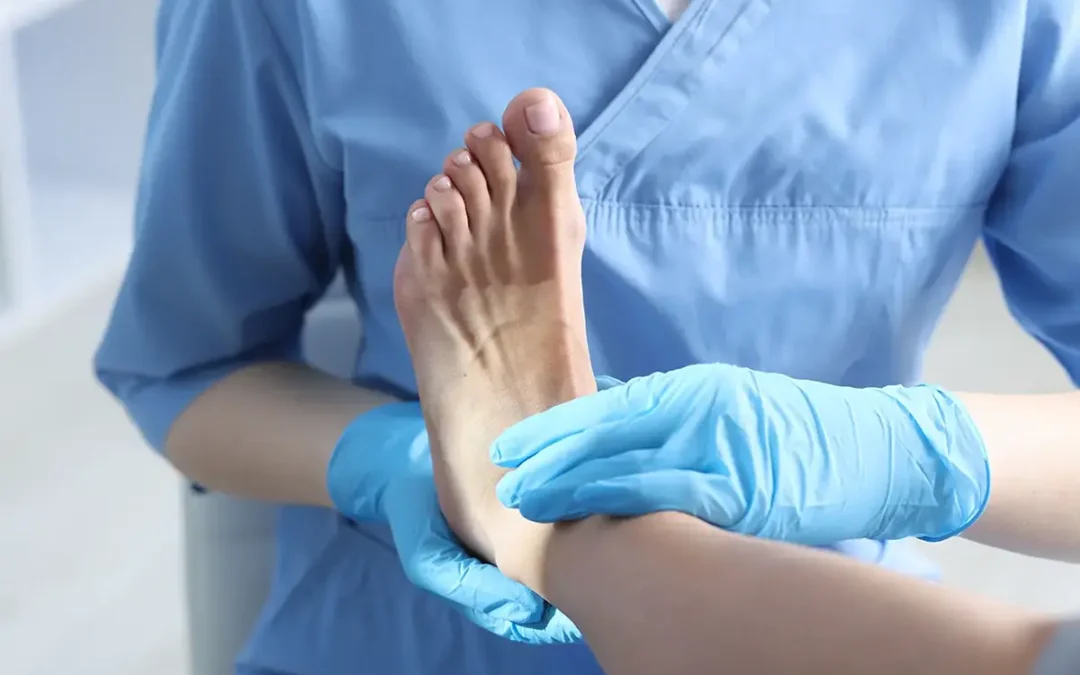
Ankle and Foot Orthotics: How They Support Athletes’ Performance
Ankle foot orthotics are shoe inserts that offer support to control the placement and movement of the ankle, correct deformities, and compensate for weakness. These inserts are used to stabilize the foot and ankle and provide toe clearance during the swing phase of...

Exploring the Various Types of Foot Orthotics and Their Benefits
When it comes to promoting optimal foot health and addressing a range of foot-related issues, foot orthotics emerge as a versatile solution. These discreet and personalized devices cater to a variety of needs, with each type serving a unique purpose. Arch supports can...
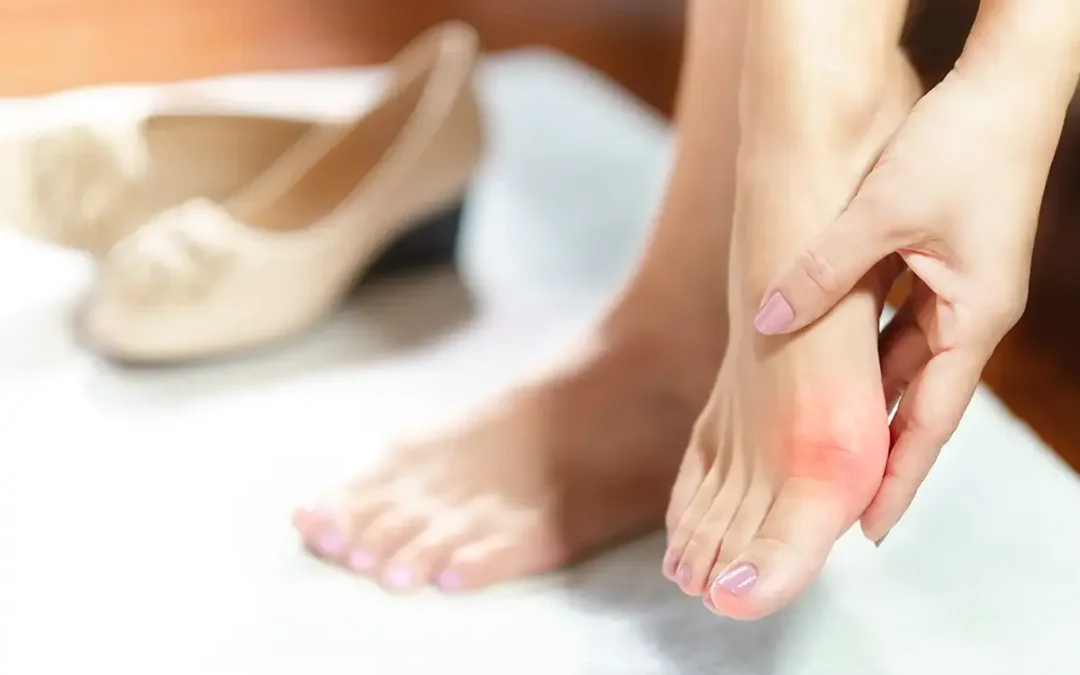
Unraveling the Causes of Bunions: What Contributes to Their Development
Bunions, also known as hallux valgus, are bony bumps that form at the base of the big toe. This condition occurs when the big toe pushes against the adjacent toe, causing the joint to move out of alignment. There are various reasons why bunions can develop. Genetics...
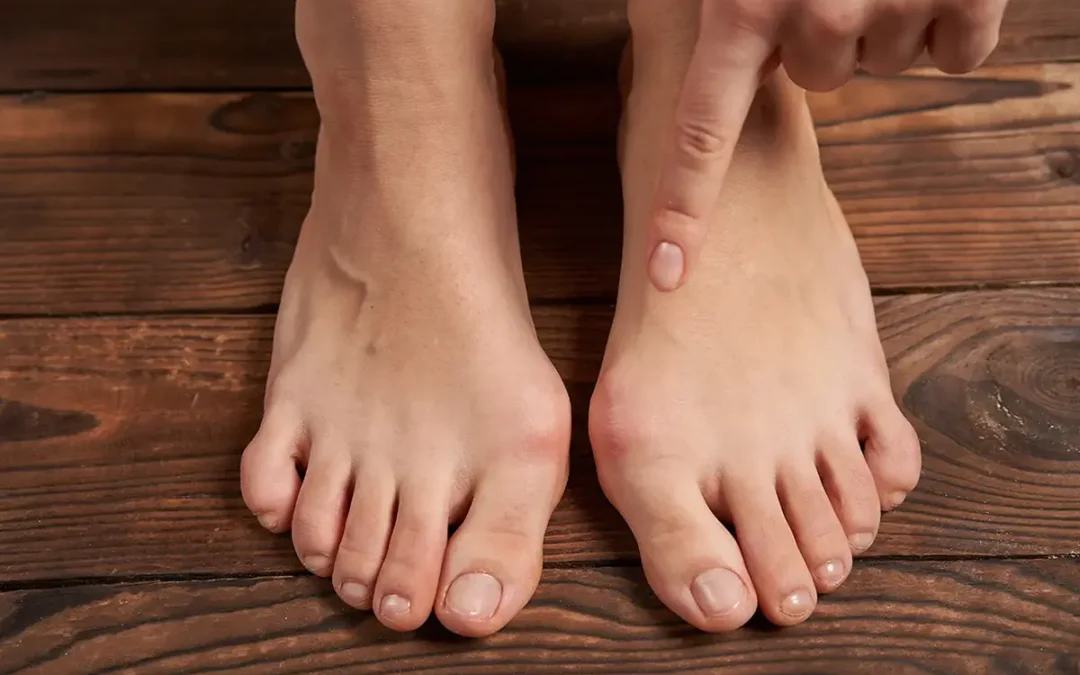
Bunions: What They Are and How to Manage Them
A bunion is an enlargement of the base joint of the toe that connects to the foot, often formed from a bony growth or a patch of swollen tissues. It is caused by the inward shifting of the bones in the big toe, toward the other toes of the foot. This shift can cause a...
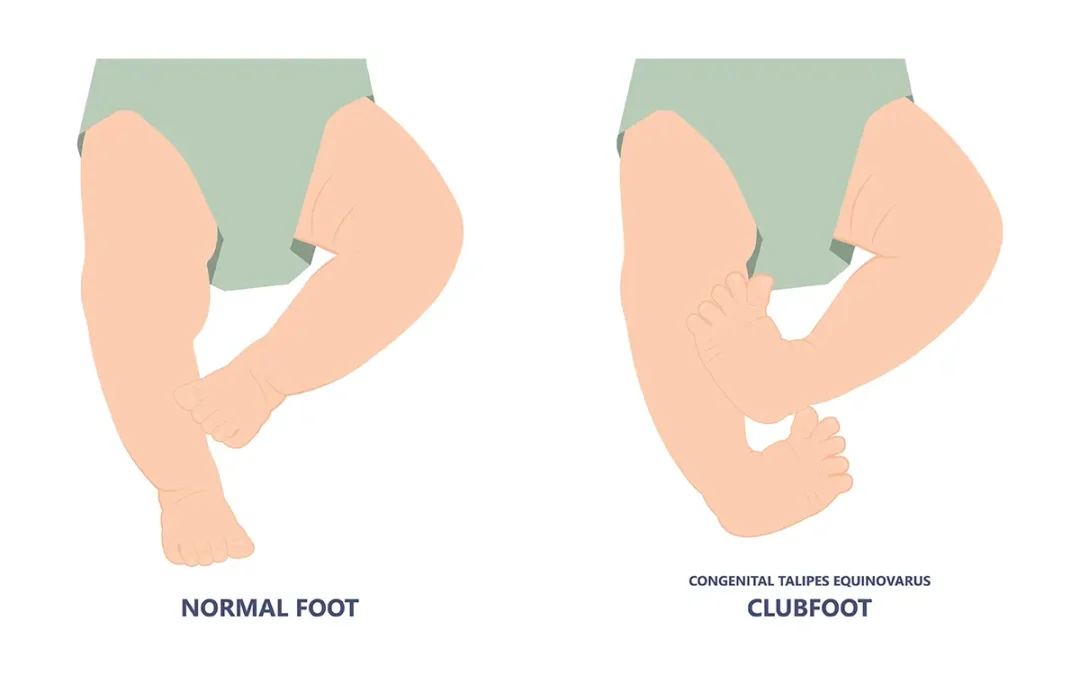
Understanding Clubfoot in Infants: Causes and Treatments
Clubfoot, a congenital condition affecting approximately 1 in 1,000 births, is characterized by a child's foot turning inward and downward. It is primarily caused by a shortened Achilles tendon, resulting in misaligned bones in the foot. While about half of the...
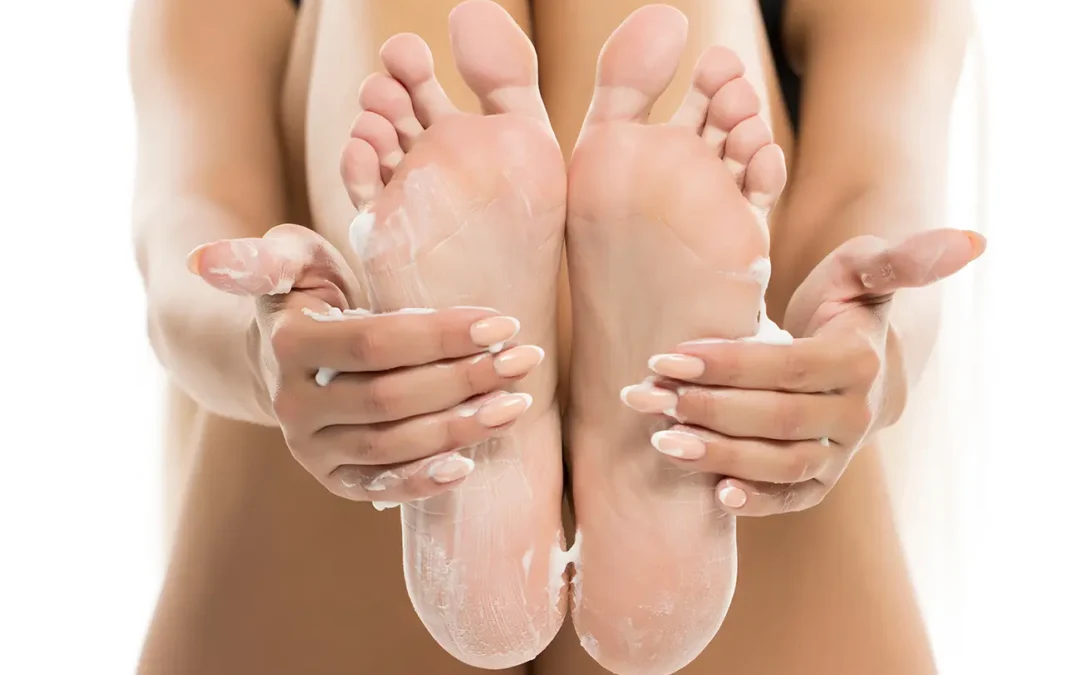
How to Practice Everyday Foot Care for Healthy Feet
The feet are often taken for granted, and they are sometimes a part of the body that gets the least respect. The feet are most likely to get injured from absorbing the body’s weight. They are responsible for various things, including providing us with mobility and...
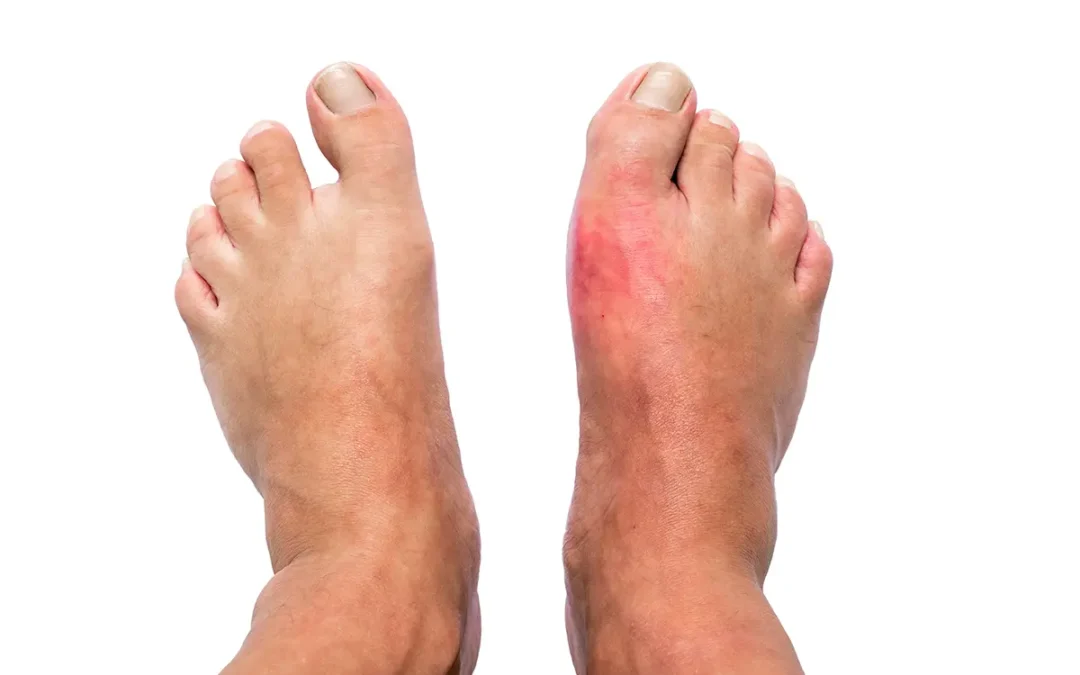
What Is Gout? Symptoms and Treatment Options
Gout is a form of arthritis that is caused by a buildup of uric acid crystals in the joints. This considered to be one of the most frequently recorded medical illnesses throughout history. Gout occurrences in the US have risen within the past twenty years and the...

Foods Linked to Gout Attacks: What to Avoid for Foot Health
Gout is defined as a foot condition that can cause severe pain and discomfort. It often targets the joints in the big toe and is caused by an excess level of uric acid. Eating foods that have high levels of purines may cause uric acid levels to rise and convert to...
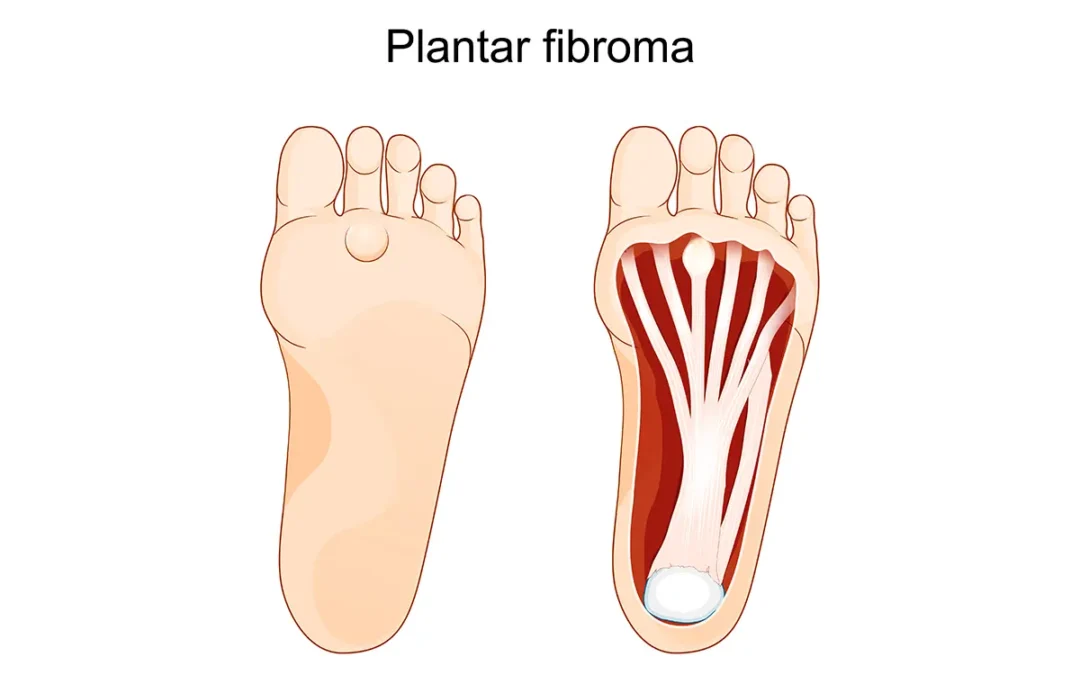
Where Is a Plantar Fibroma Located and How Does It Affect You?
A plantar fibroma is a firm mass found under the skin on the sole of the foot. It is a benign growth and may be noticed while walking or standing. It is defined as excess collagen, which may cause chronic pain, in addition to gradually increasing in size. A potential...
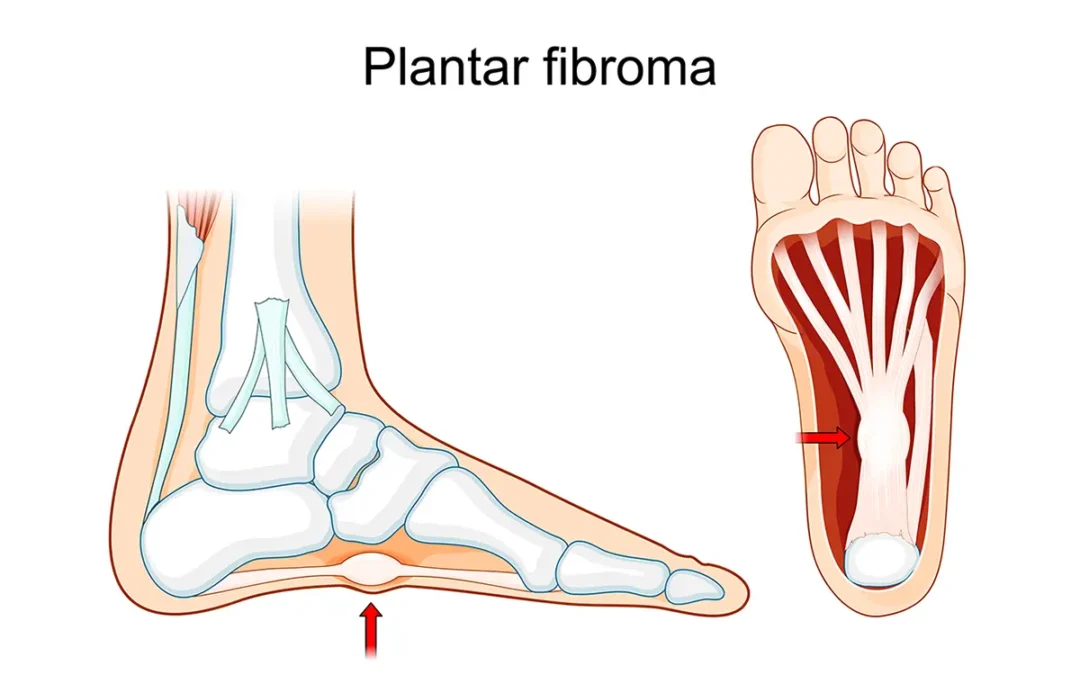
What Is a Plantar Fibroma? Symptoms and Treatment Insights
A plantar fibroma is a knot in the arch of the foot. It can cause pain when repeated pressure is applied by walking barefoot or wearing tight shoes. While plantar fibromas can appear in anyone, men who are middle-aged or older are said to be more susceptible. The main...

Can Running Shoes Be Used for Walking?
Tarsal tunnel syndrome is a condition in which the tibial nerve, located in the tarsal tunnel in the foot, is compressed. The tibial nerve can become compressed from injury, such as an ankle sprain, flat feet, and lesions. Arthritis, diabetes, and varicose veins can...
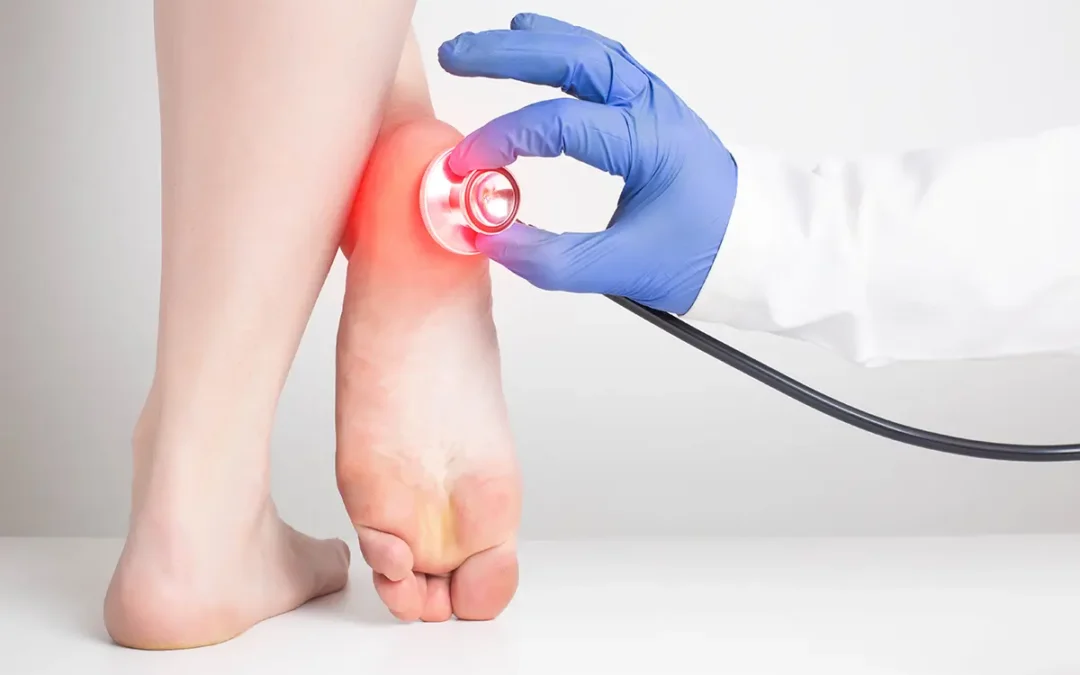
Causes of Tarsal Tunnel Syndrome: What’s Behind the Pain?
Tarsal tunnel syndrome is a condition that affects the feet. It gradually happens as a result of repetitive motion, causing the tibial nerve to become irritated or compressed. This is located inside the tarsal tunnel and is accompanied by ankle pain and discomfort....
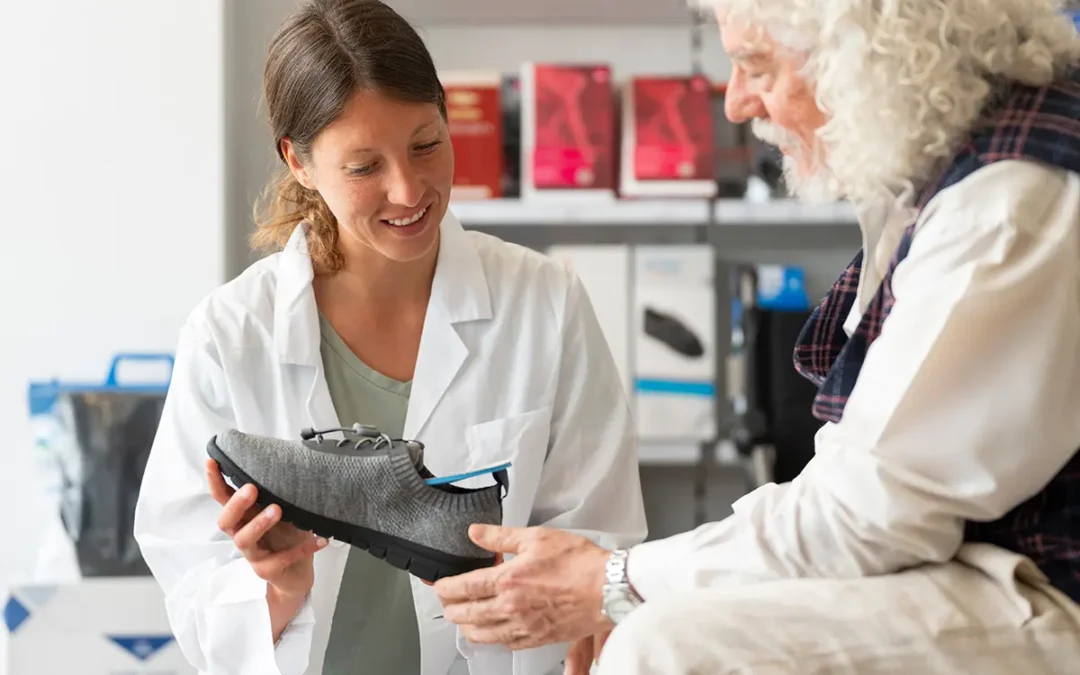
What to Consider When Shopping for Shoes for Older Adults
As an individual progresses into their elderly years, it becomes increasingly important for them to take extra care of their feet. This is because the feet can become more susceptible to foot conditions with age. One important part of maintaining foot health is...
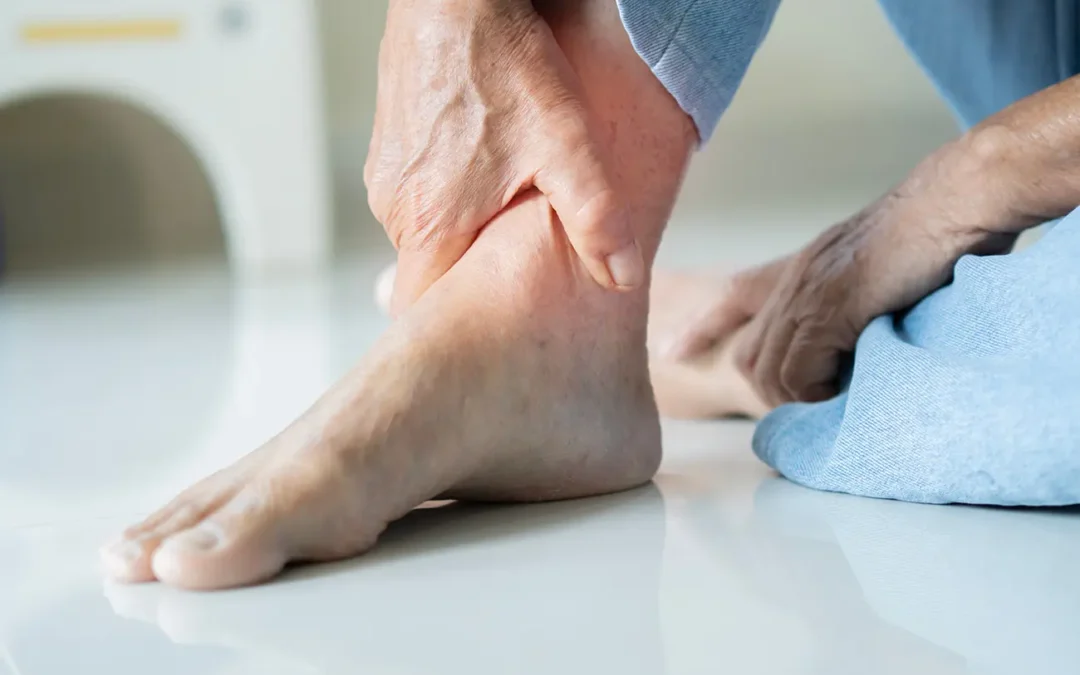
Foot Care Tips for the Elderly to Stay Comfortable and Mobile
While proper foot care is important for everybody, senior citizens have the tendency to be more susceptible to certain foot conditions. The elderly should therefore be well informed about any problems that may arise and about what they can do to properly avoid or...