Foot Health Articles
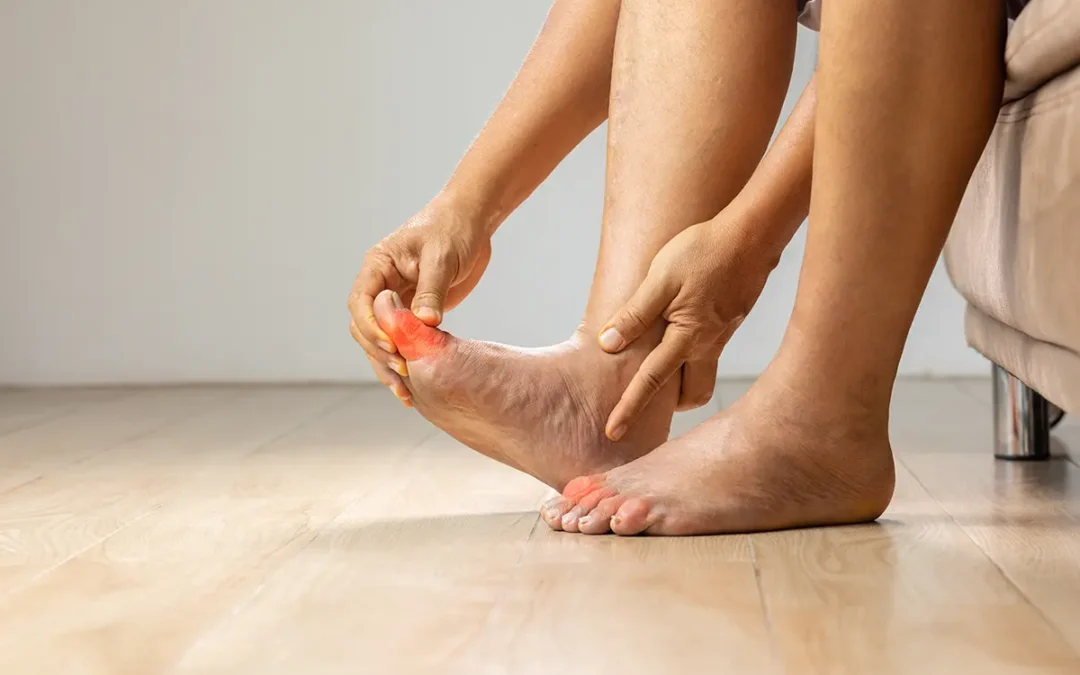
Managing Gout: Tips to Reduce Pain and Prevent Attacks
Gout is a type of arthritis caused by the buildup of uric acid crystals in the joints, often affecting the big toe. It occurs when the body produces too much uric acid or does not excrete enough through urine. Symptoms include sudden, intense pain, redness, swelling,...
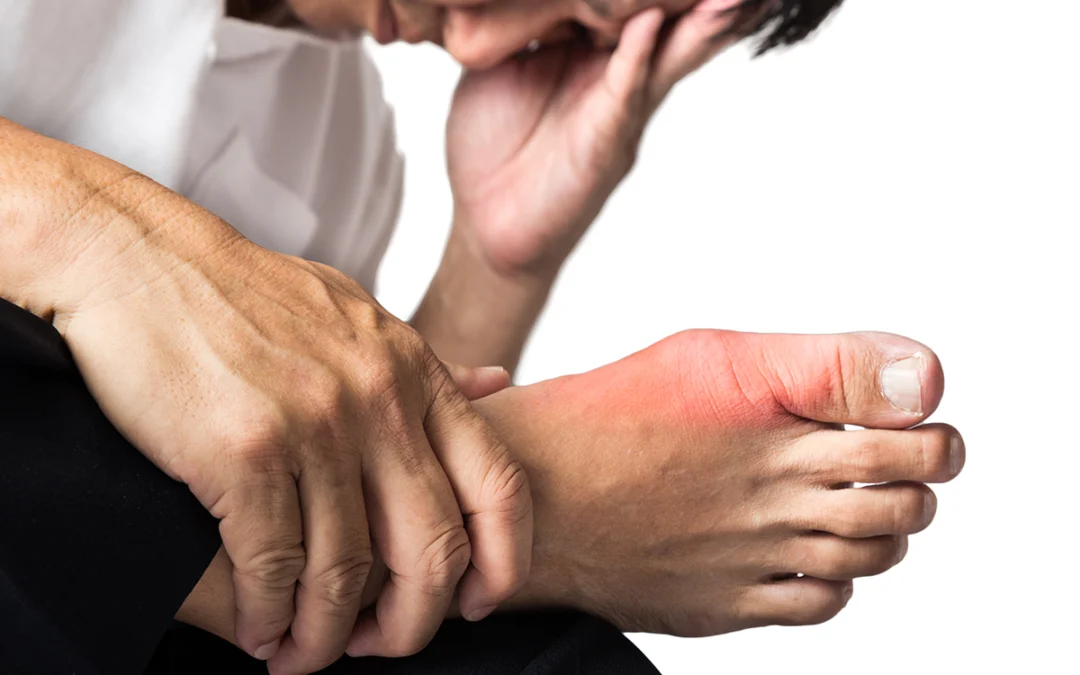
Gout 101: Understanding Symptoms and Causes
Gout, typically found in diabetic patients, is an unusually painful form of arthritis caused by elevated levels of uric acid in the bloodstream. The condition typically strikes the big joint on the big toe. It has also been known to strike the knees, elbows, fingers,...

Arthritis Pain in the Feet and Ankles Explained
If you are suffering from tenderness, pain, or stiffness in the joints of your feet or ankles, call us to schedule an appointment.
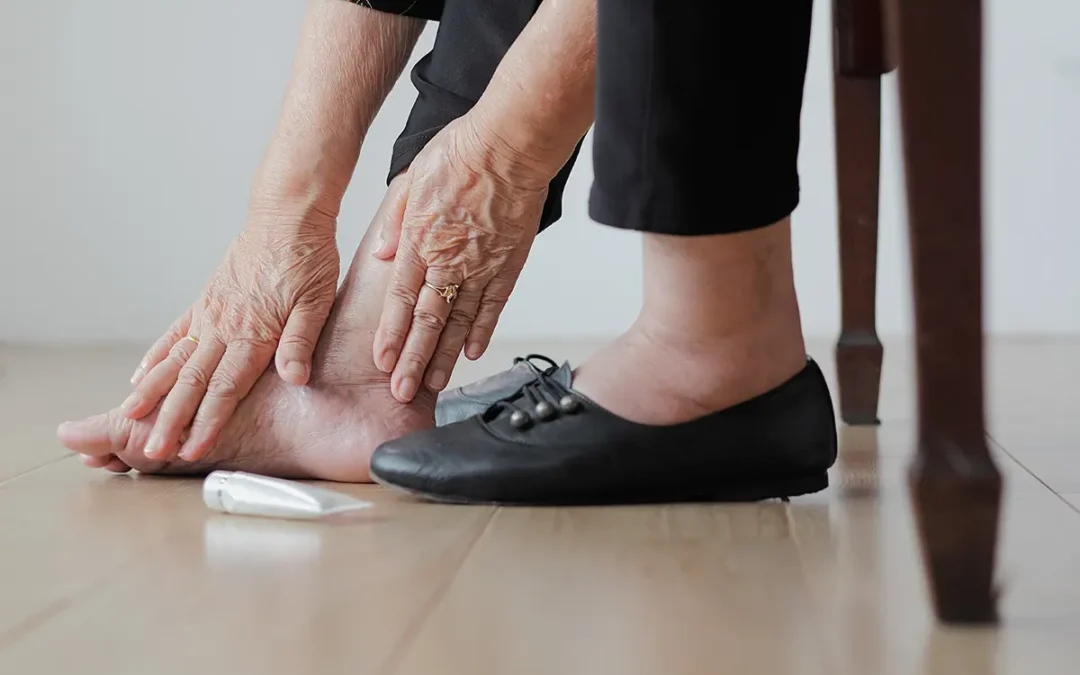
Causes and Symptoms of Diabetic Foot Wounds You Should Know
Diabetic foot wounds develop from a combination of nerve and blood vessel damage caused by prolonged high blood sugar levels. Nerve damage, or neuropathy, reduces sensation in the feet, making it difficult to notice minor injuries like cuts or blisters. Also, poor...
How to Care for a Diabetic Foot
Millions of people are affected by diabetes each year. Diabetes damages blood vessels in all parts of the body, especially the feet. The legs and feet may develop slow blood flow, which causes neuropathy, or nerve damage. Once a diabetic patient develops neuropathy,...
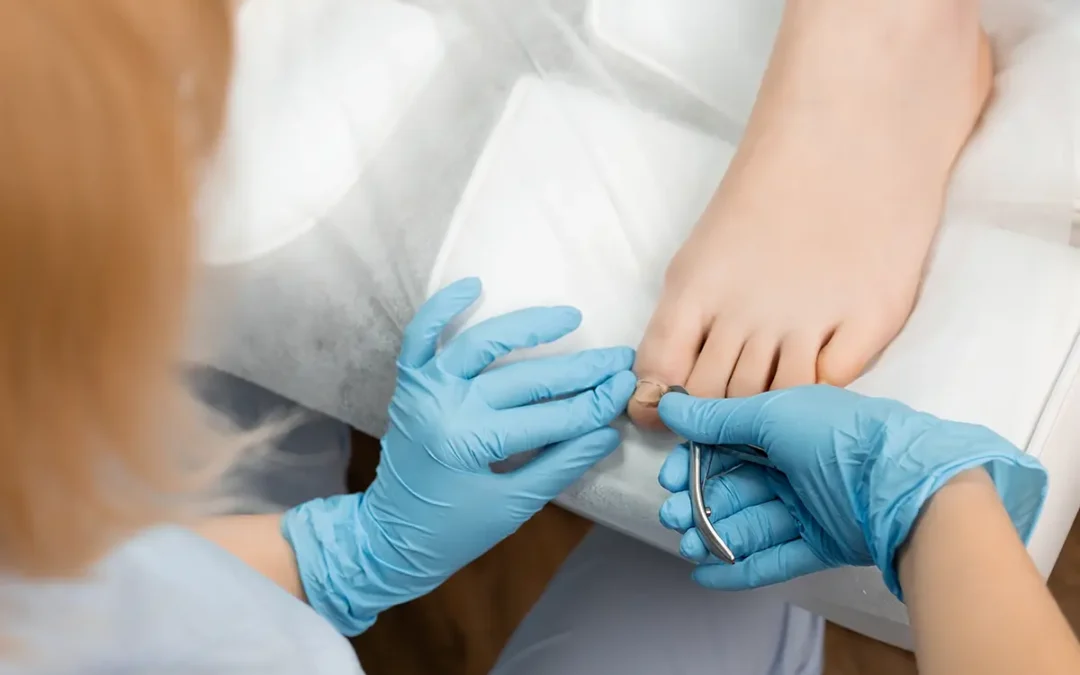
Effective Strategies for Managing Ingrown Toenails
Ingrown toenails, commonly affecting the big toe, occur when the edge of the nail grows into the surrounding skin, causing pain, redness, and swelling. In some cases, infection can develop, leading to increased discomfort and drainage. The condition can result from...
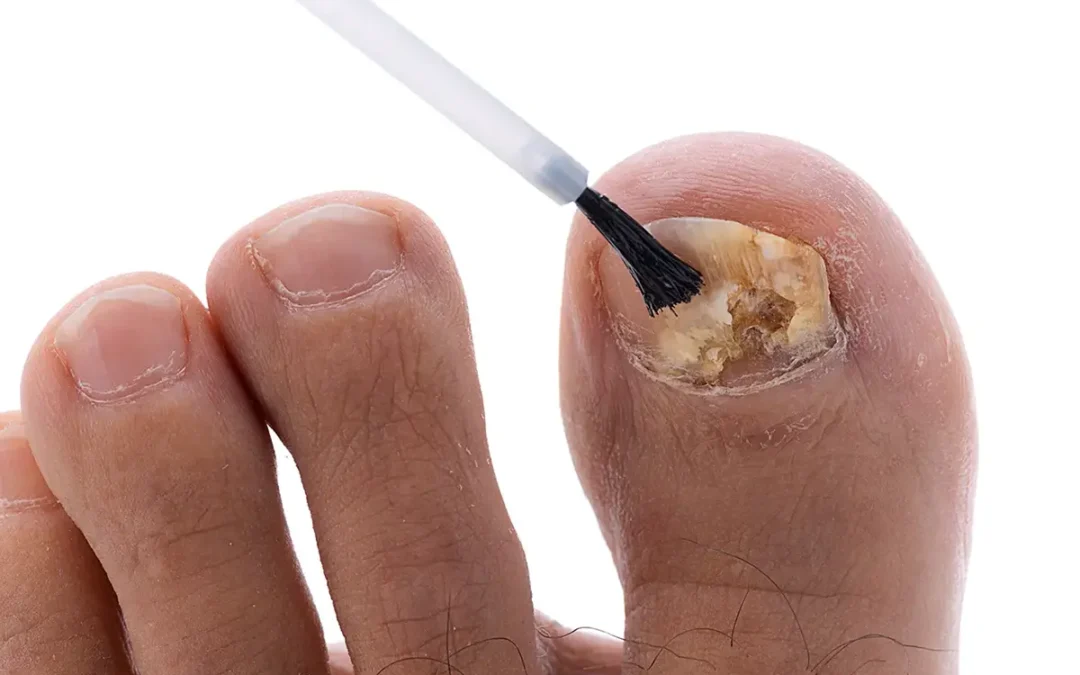
Ingrown Toenail Care: What You Should Know
An ingrown toenail is a nail that has curved downward and grows into the skin. This typically occurs at the nail borders, or the sides of the nail. As a result, pain, redness, swelling, and warmth may occur in the toe. If a break in the skin forms due to the ingrown...

Tips to Prevent Falls in Seniors and Stay Safe at Home
Falls are a common risk among seniors and can lead to serious injuries, including fractures and hospitalization. Foot problems, such as weakness in the ankles, instability in the toes, or wearing improper footwear, significantly increase the likelihood of falls. Falls...
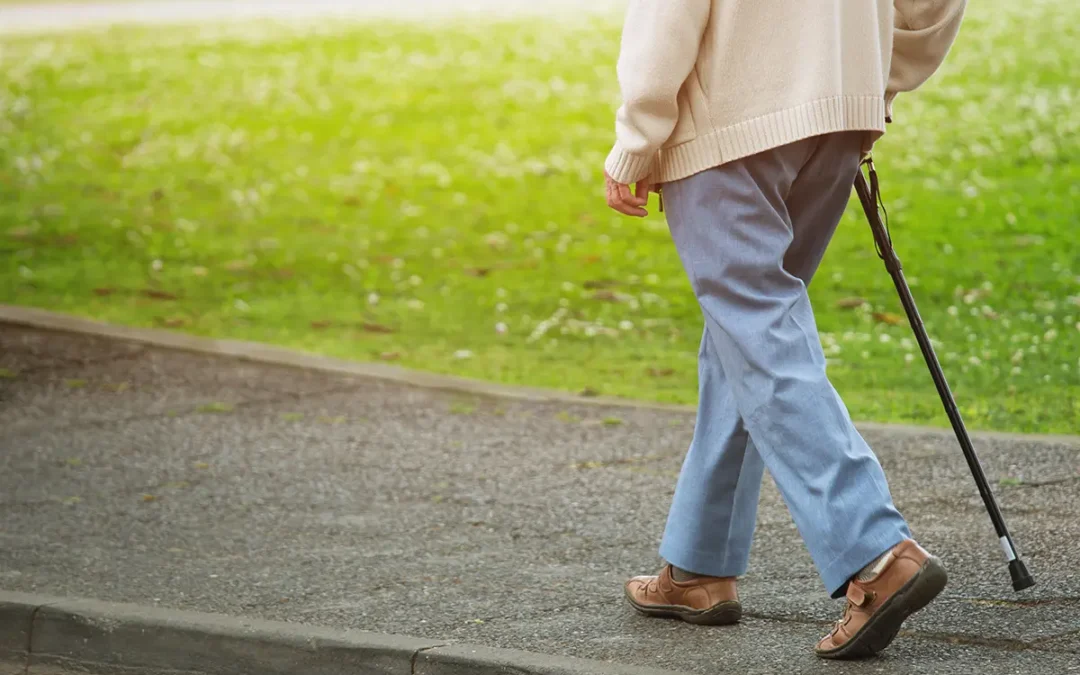
Preventing Falls: Tips for Safer Living
Elderly Americans are very susceptible to falls as they get older. Everyone experiences decreases in flexibility, balance, strength, and the senses as they age. This correlates to some eye-opening statistics. 1 in 4 Americans aged 65 and older fall each year. An...
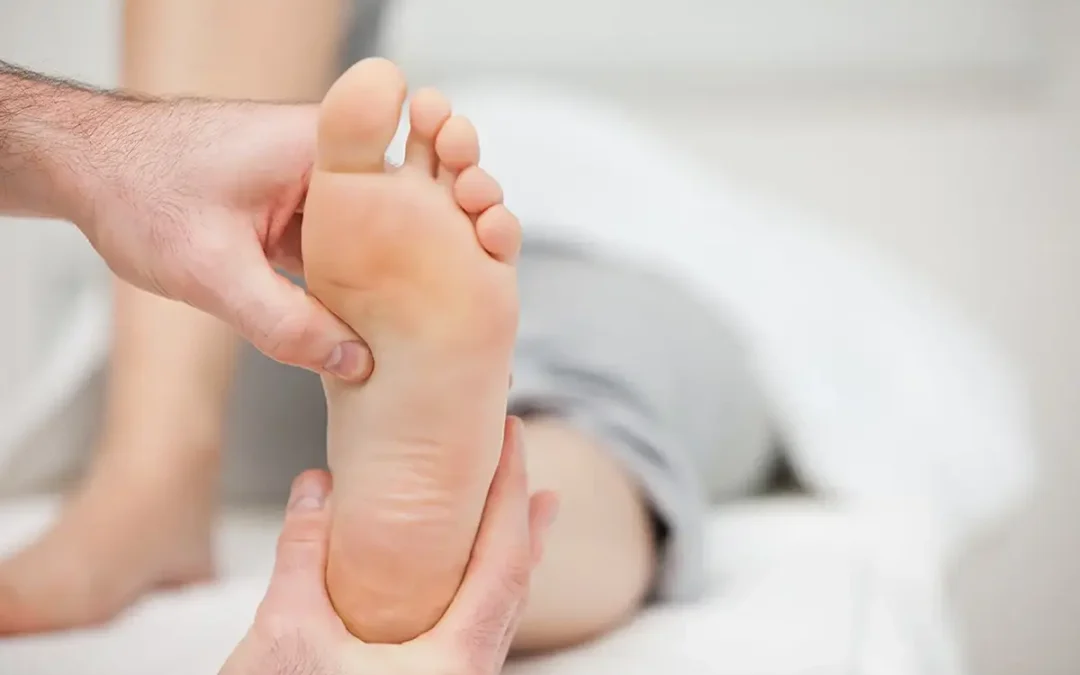
Understanding Morton’s Neuroma: Symptoms and Treatment Options
Morton’s neuroma (also called Intermetatarsal Neuroma or Plantar Neuroma) is a painful condition most often affecting the ball of the foot, typically between the third and fourth toes. It happens when tissue around a nerve thickens due to repetitive pressure or...
Morton’s Neuroma: What You Need to Know
A neuroma is a thickening of nerve tissue and can develop throughout the body. In the foot, the most common neuroma is a Morton’s neuroma; this typically forms between the third and fourth toes. The thickening of the nerve is typically caused by compression and...
Managing Plantar Warts: Treatment and Prevention
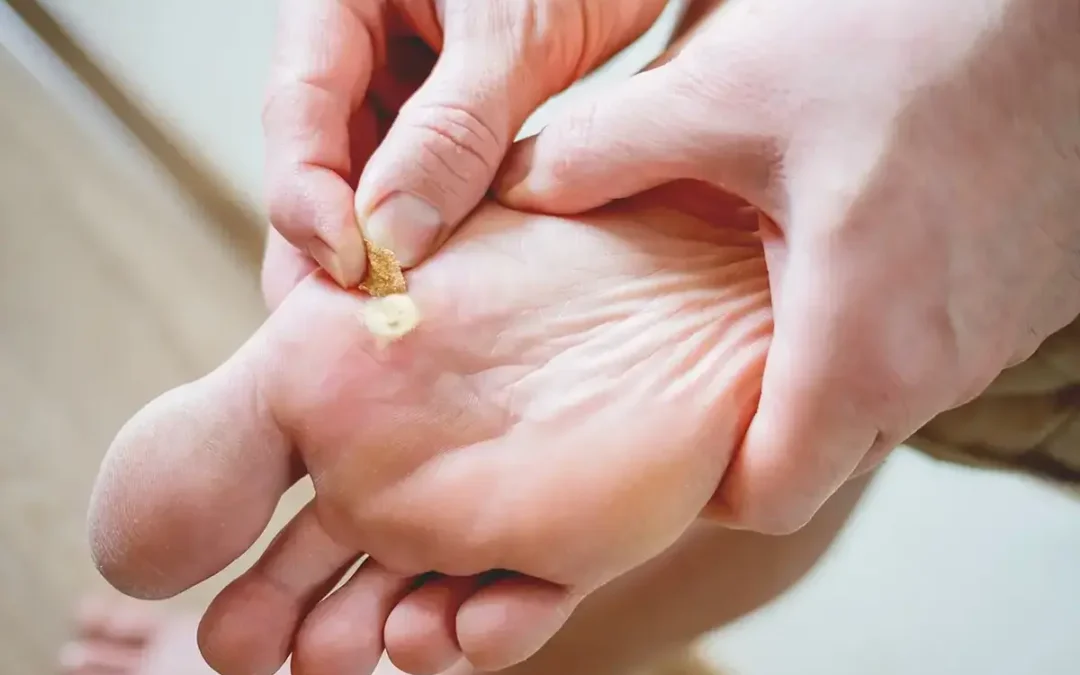
Plantar warts are small, rough growths that appear on the soles of the feet, caused by the human papillomavirus, known as HPV. These warts are contagious and can spread through direct contact or by walking barefoot in public places like swimming pools and locker...
Everything You Should Know About Plantar Warts
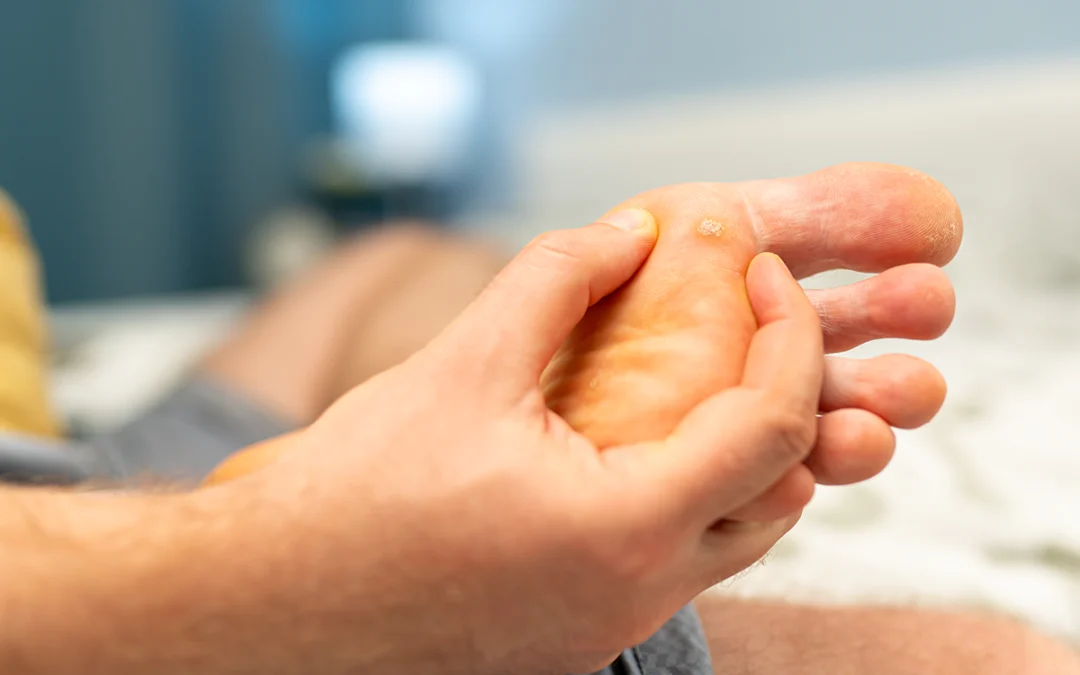
Plantar warts are warts that are only found on the feet, hence the term “plantar”, which means “relating to the foot.” They are caused by the human papillomavirus, or HPV, and occur when this virus gets into open wounds on the feet. The warts themselves are hard bumps...
Managing Painful Gout: Effective Strategies
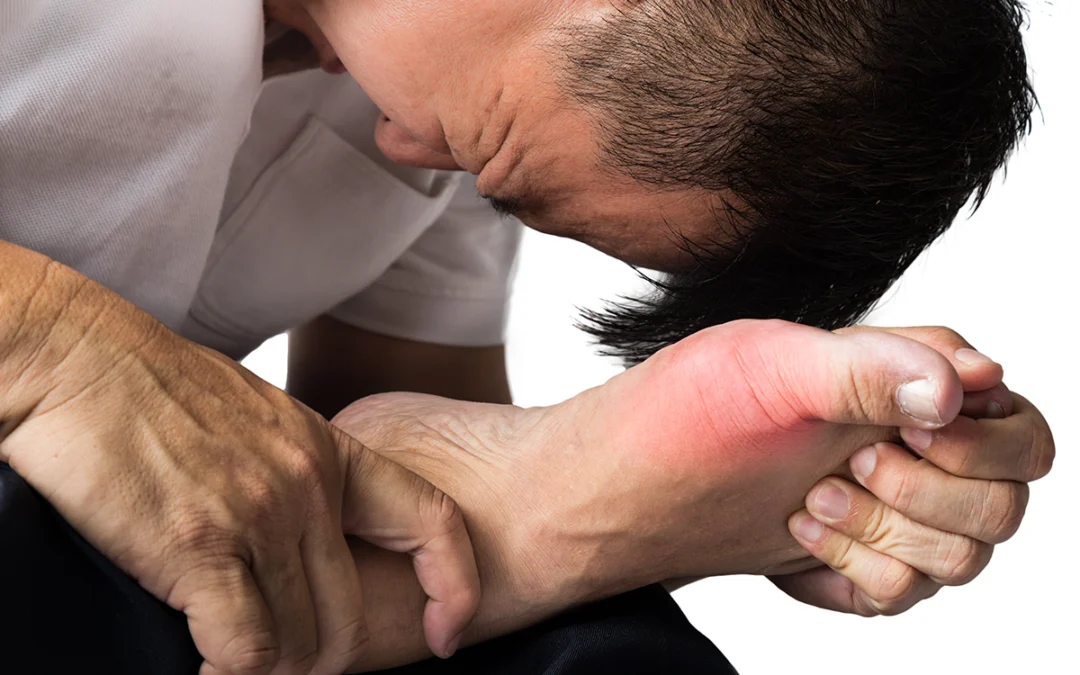
Gout is a painful, inflammatory form of arthritis. Those affected will typically feel an intense stiffness in the joints of their feet, particularly in the big toe. Schedule a visit to learn about how gout can be managed and treated.

The Benefits of Cycling for Recovering from Ankle Injuries
Cycling is an excellent low-impact exercise that can aid in the recovery of an ankle injury. It helps to strengthen the muscles surrounding the ankle without putting excessive strain on the joint, allowing for a safe recovery process. The circular motion of pedaling...

Sports-Related Foot and Ankle Injuries: What You Need to Know
Foot and ankle injuries are common among athletes and those who exercise frequently. Most of these injuries are non-life-threatening and can heal in weeks with proper treatment and care. Serious injuries, however, require urgent medical treatment. Common minor...
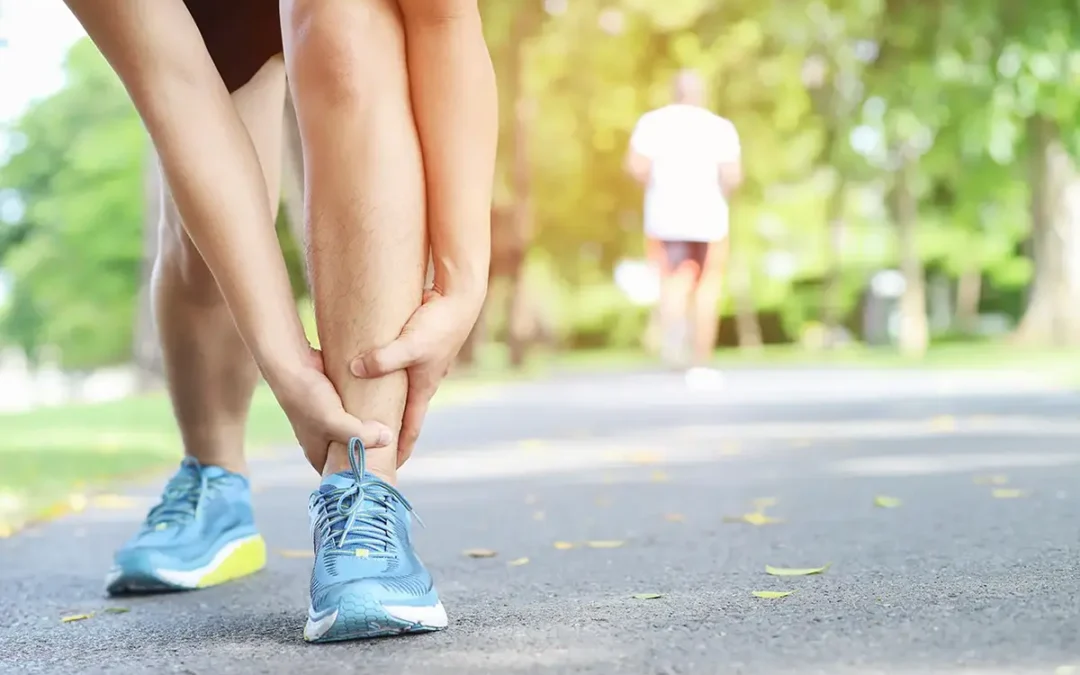
Foot Stress Fractures: Important Facts and Prevention Tips
Stress fractures are hairline cracks in bones caused by repetitive stress rather than a sudden injury. Stress fractures, which are common among runners and athletes like basketball players, frequently affect the metatarsals, heel bone, and other weight-bearing bones...

Stress Fractures of the Foot and Ankle Explained
Our bones are important aspects of our body and they are constantly changing. The heavier the workload for a bone, the more likely it is that calcium will be placed in it. When a bone isn’t used often, there won’t be much calcium within it. When stress from repetitive...

What to Do About a Bruised Heel: Care Tips and Remedies
Bruised heels, often resulting from repeated impact or sudden injury, cause significant discomfort and can hinder daily activities. This pain typically stems from overuse, such as prolonged standing, running, or wearing unsupportive footwear on hard surfaces....
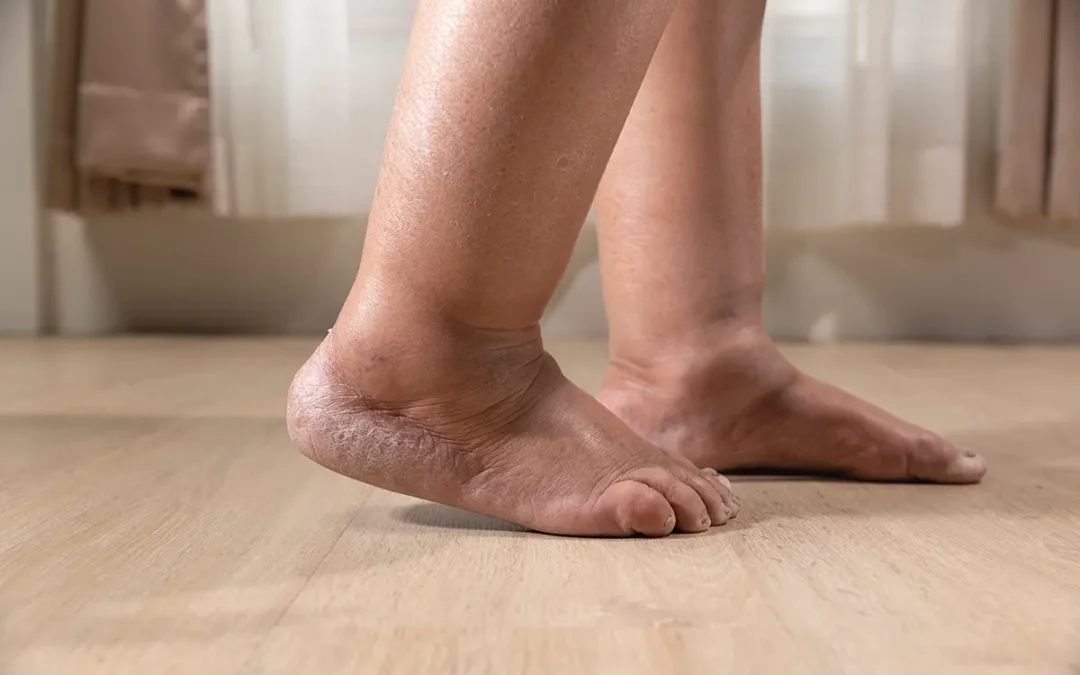
Different Types of Edema and How They Affect Your Feet
Edema refers to the accumulation of excess fluid in the body’s tissues, leading to swelling. There are several types of edema, each with distinct causes and effects. Idiopathic edema is a condition where swelling occurs without any clear underlying medical cause,...
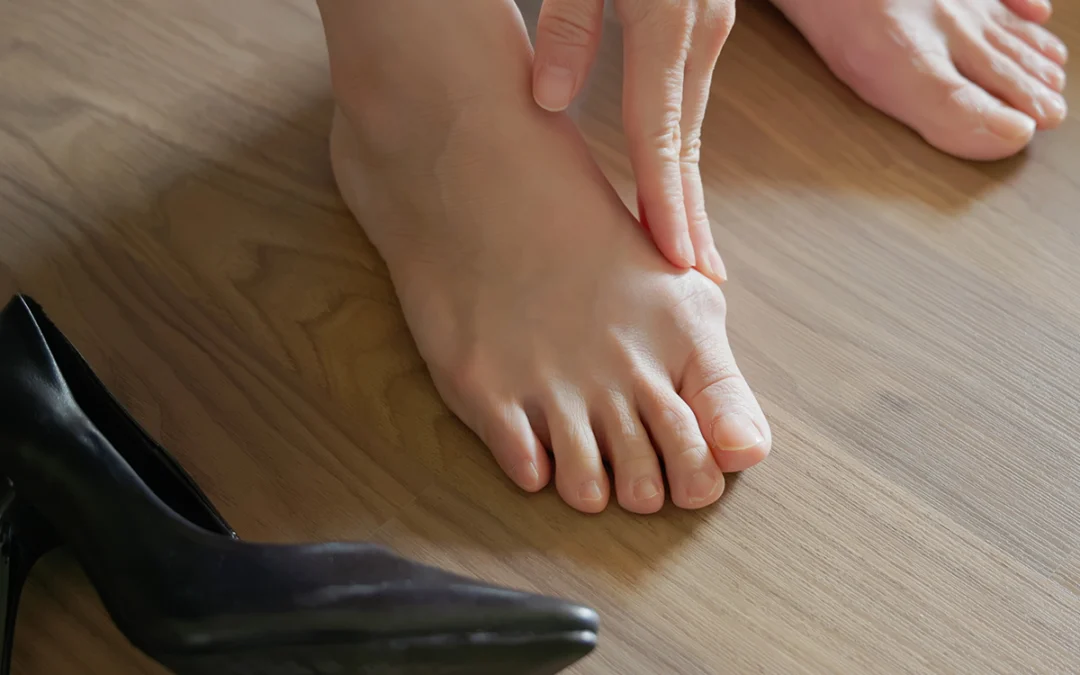
How Bunions Affect Your Everyday Life
Have you noticed a bony protrusion on the side of your big toe? If so, you may have developed the foot condition known as a bunion. Don't let bunions interfere with your daily activities.
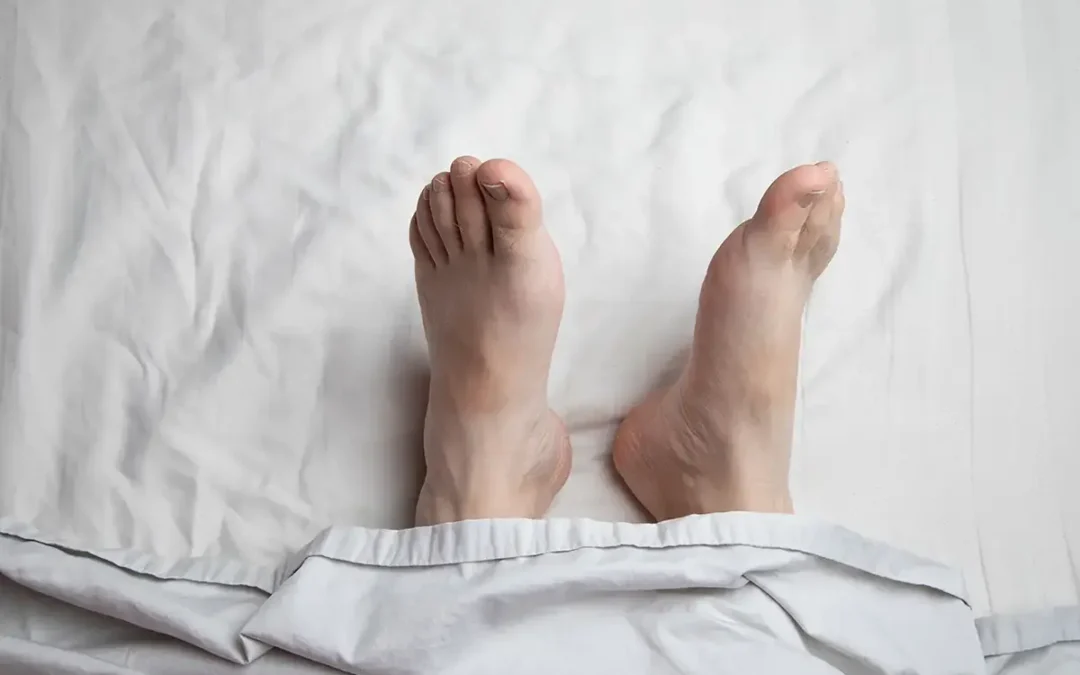
Strategies to Prevent Limb Loss in Diabetic Patients
Preventing lower-limb amputations in people with diabetes involves diligent care and monitoring, especially for foot health. High blood sugar over time can lead to peripheral arterial disease, which reduces blood flow to the feet and makes it more difficult for wounds...

Limb Salvage: Saving Limbs Through Advanced Podiatric Care
Limb salvage is a procedure that involves saving a lower extremity from amputation. In podiatry, limb amputation often occurs as a result of diabetes, peripheral vascular disease, neuropathy, cancer, and severe crush injury. The fundamental goal of limb salvage is to...

The Importance of Biomechanics in Preventing Foot Problems
Biomechanics is the study of the forces that act on the body and affect movement, particularly as it relates to how the bones, muscles, joints, ligaments, and tendons of the feet and lower limbs interact. In podiatry, an understanding of biomechanics is essential for...
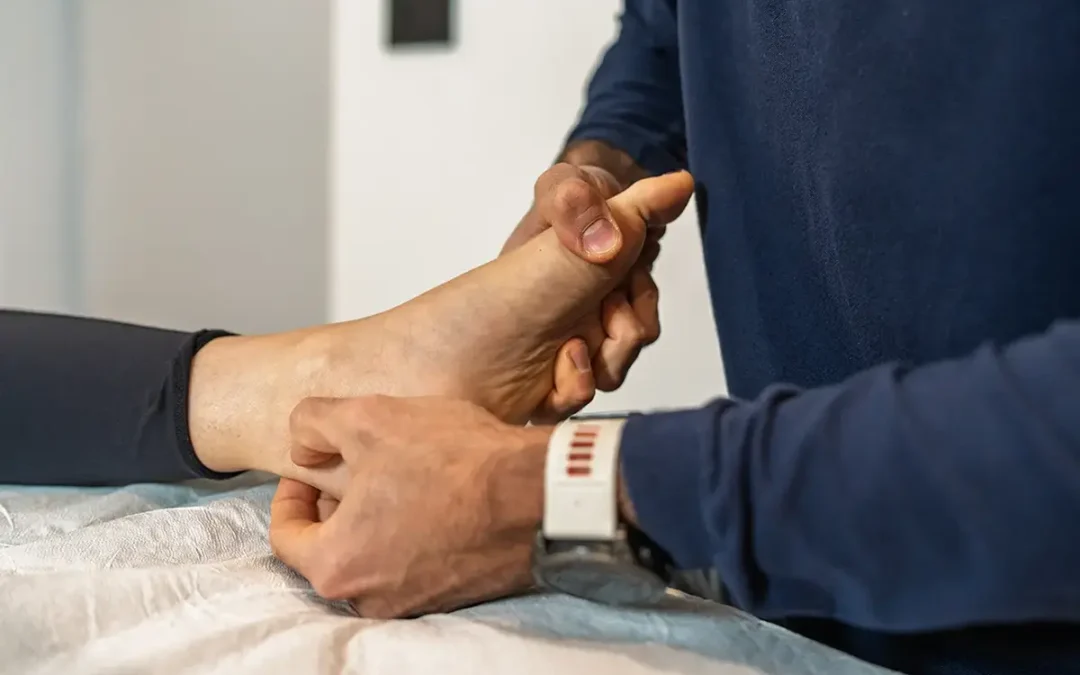
Understanding Normal Foot and Ankle Biomechanics
The biomechanics of the foot and ankle are important for efficient movement, stability, and shock absorption. During walking, the foot moves through a cycle that begins with heel strike, where the heel contacts the ground, absorbing impact and distributing force...

The Role of Biomechanics in Podiatry and Foot Health
Podiatry is a branch of medicine that deals with the study, diagnosis, and treatment of foot and ankle conditions. There are various subdivisions in podiatry; biomechanics is one of them. Biomechanics is the way in which the bones, muscles, and joints of the feet and...
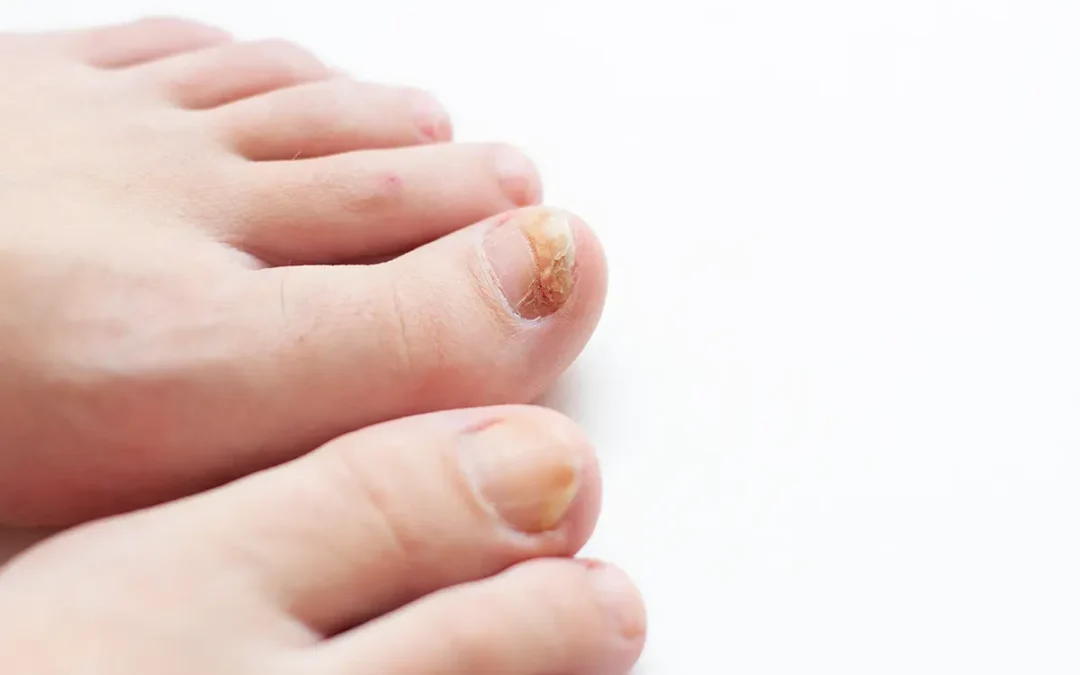
Symptoms and Causes of Tinea Unguium (Toenail Fungus)
Tinea unguium, also known as onychomycosis, is a fungal infection that affects the nails, particularly the toenails. This condition causes changes in the appearance of the nails, which may become thickened, discolored, and brittle. Infected nails can also separate...
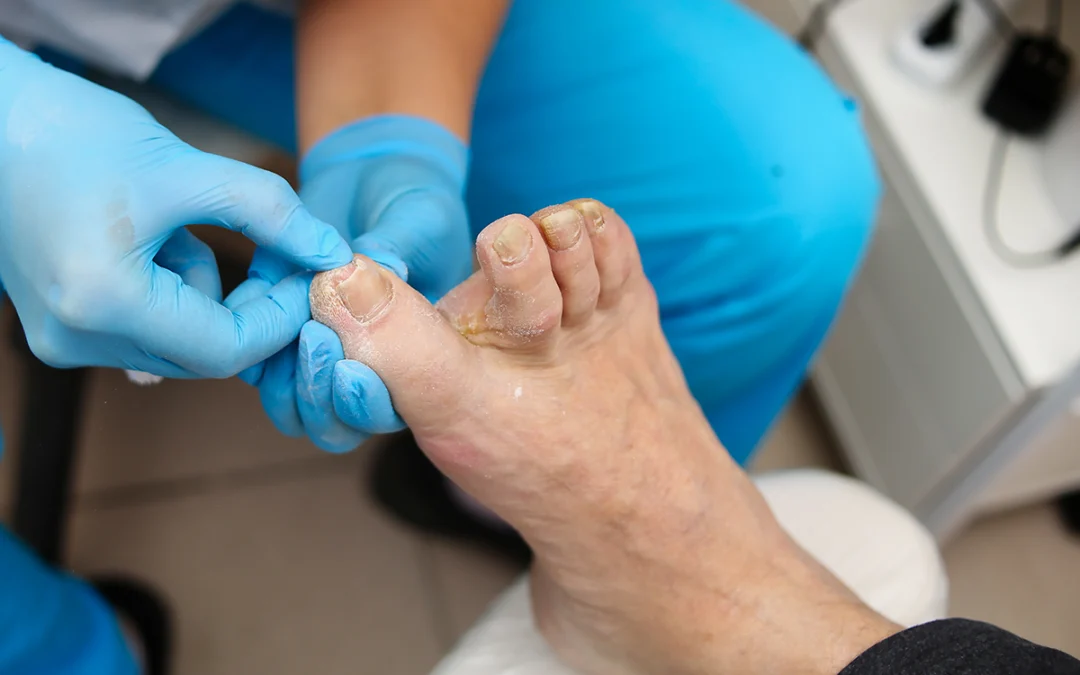
Effective Treatments for Toenail Fungus
Fungal infection of the toenail, or onychomycosis, typically appears as a gradual change in a toenail’s texture and color that involves brittleness and darkening. The fungal infection itself occurs beneath the surface of the nail. Aside from discoloration, other...

Finding Walking Shoes That Offer Optimal Comfort and Support
Choosing the right walking or running shoe is essential for foot health, comfort, and injury prevention. Although walking shoes and running shoes look similar at first glance, they have important structural differences. Runners should avoid running in walking shoes...

Walking Shoes vs. Running Shoes: Choosing What’s Best for You
Although walking shoes and running shoes look similar, they have characteristics that make them different from each other. Runners should avoid running in walking shoes and vice versa. It is very important that you wear the proper footwear for the activity you are...