Foot Health Articles
Does Your Child Have Athlete’s Foot? Signs and Treatment Tips
Taking care of your toddler’s feet and helping them maintain proper foot health is one of the most important things that a parent can do. Caring for your toddler’s feet ensures that they can support your child as the child grows older. One important foot affliction to...
A Complete Overview of Athlete’s Foot
Athlete’s foot is an extremely contagious infection caused by a fungus that results in itching, burning, dry, and flaking feet. The fungus that causes athlete’s foot is known as tinea pedis and thrives in moist, dark areas such as shower floors, gyms, socks and shoes,...
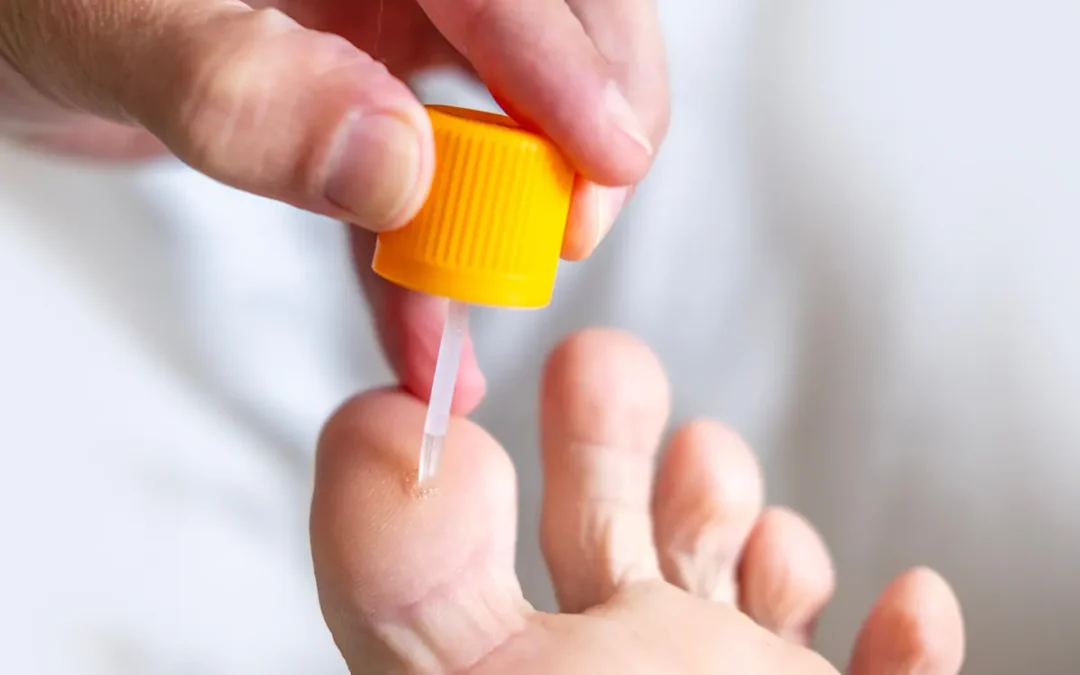
Using Salicylic Acid to Treat Corns: What You Should Know
Corns on the feet, although not always a serious condition, can still cause patients discomfort and annoyance because of their unsightly look. Corns are essentially defined as tough or hardened areas of the skin on the feet that develop in response to friction and...
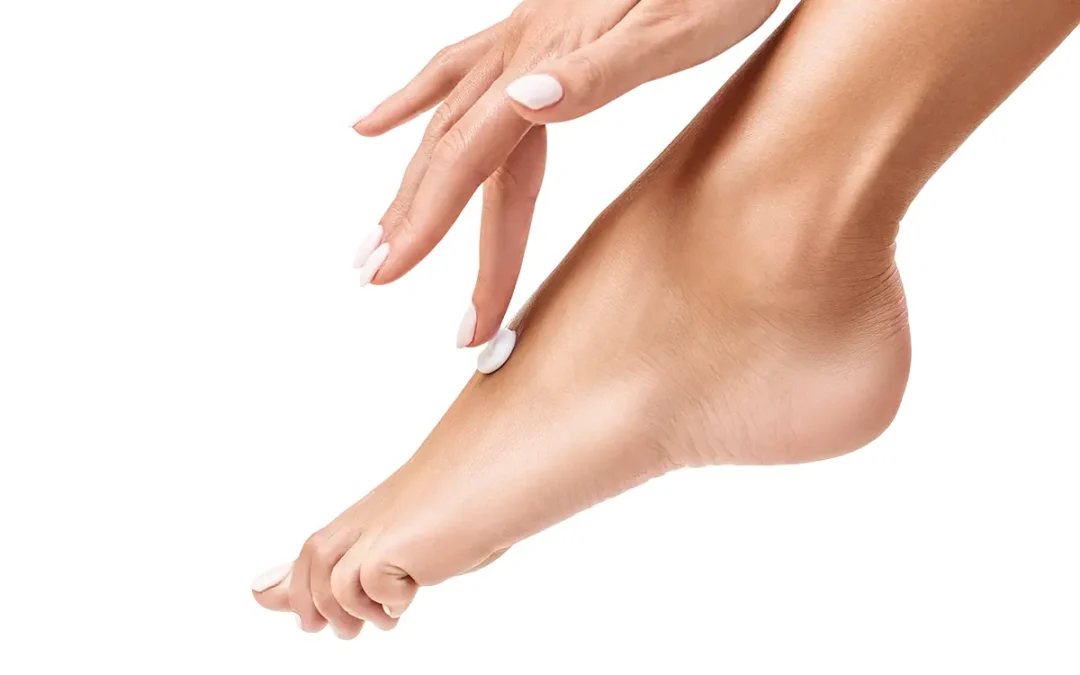
Moisturizing Your Feet: Why It Matters and How to Do It Properly
As part of everyday foot care, moisturizing the feet is important. Start with washing and drying your feet well each day. To prevent dryness, itching, and cracking, incorporate a foot moisturizer into your routine. Wear and tear and the weather can take a toll on the...

Preventing Falls in the Kitchen: Safety Tips for a Safe Cooking Space
The elderly are at an increased risk of suffering a bad fall. Falls and trips can lead to damaging and detrimental health consequences. Sometimes, falls can result from diminished strength in the feet. If you are an older individual that is concerned about preventing...
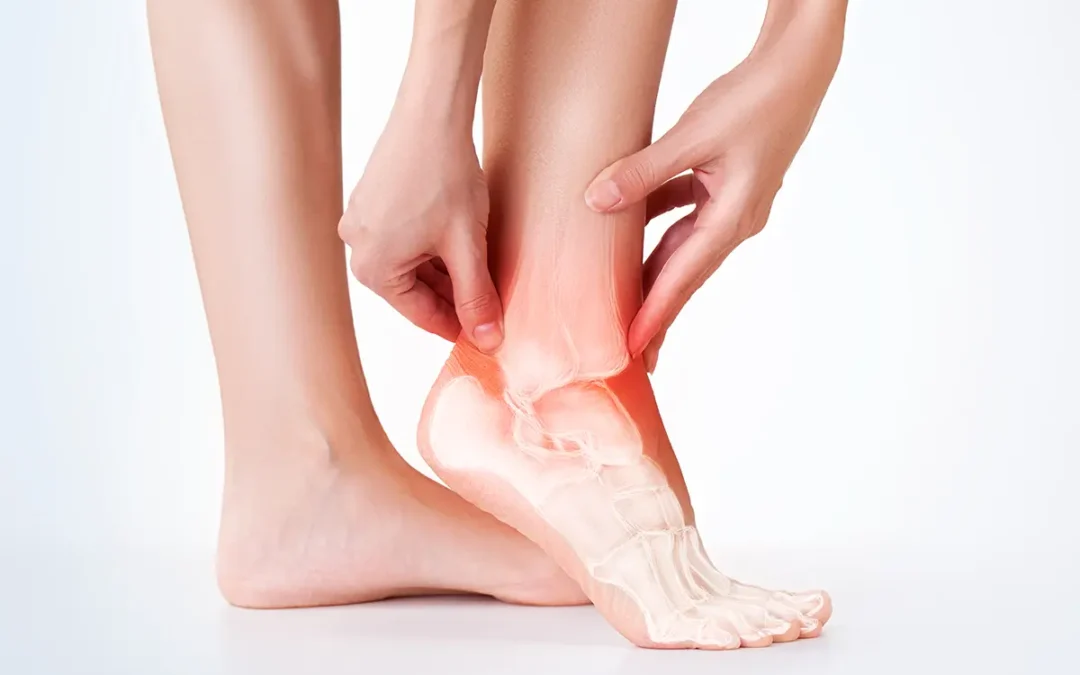
How Different Types of Arthritis Affect Your Feet and What You Can Do
Arthritis can affect numerous joints that are found in the feet and ankles. This may be a result of inherited tendencies, gradual weight gain, or previous injuries that have occurred. Research has shown there are three common categories of arthritis, consisting of...

How Regular Exercise Can Promote Stronger, Healthier Feet
Many people have foot pain. The pain can come from specific foot problems and many patients seek effective relief methods. Exercising the feet may help to improve overall strength as well as be beneficial in preventing certain foot conditions. Many foot exercises and...
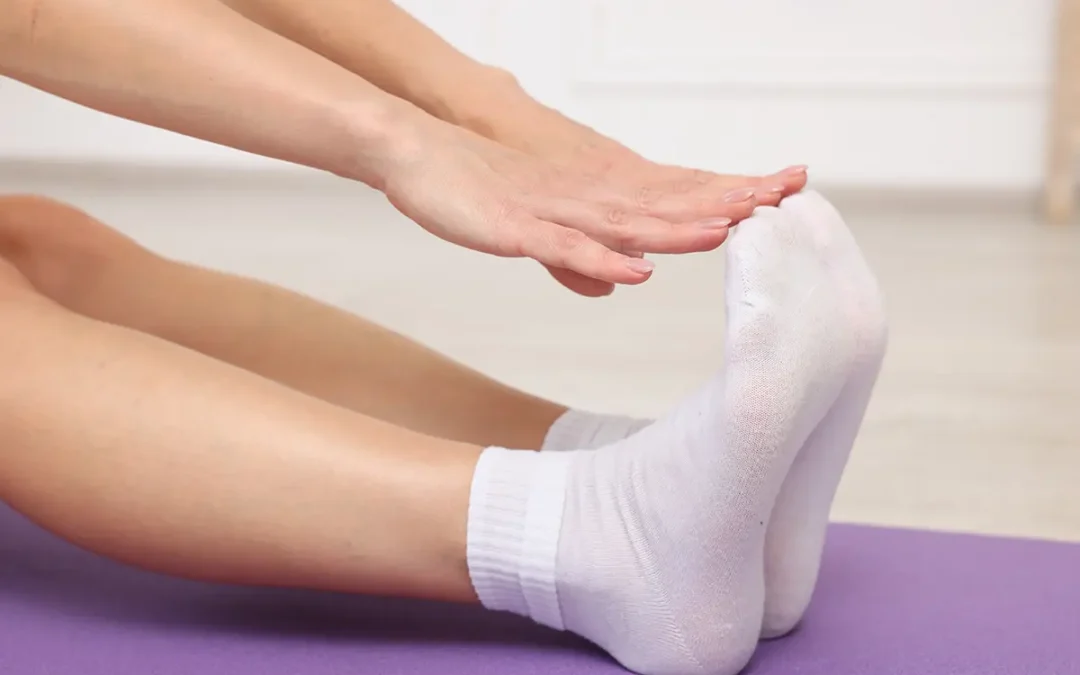
Simple Exercises to Keep Your Feet Healthy and Strong
Whether your feet are over-worked or under-worked, chances are they could benefit from some special attention. Even those who exercise regularly probably do not spend any time strengthening their feet. This can be just as rewarding as strengthening the rest of the...
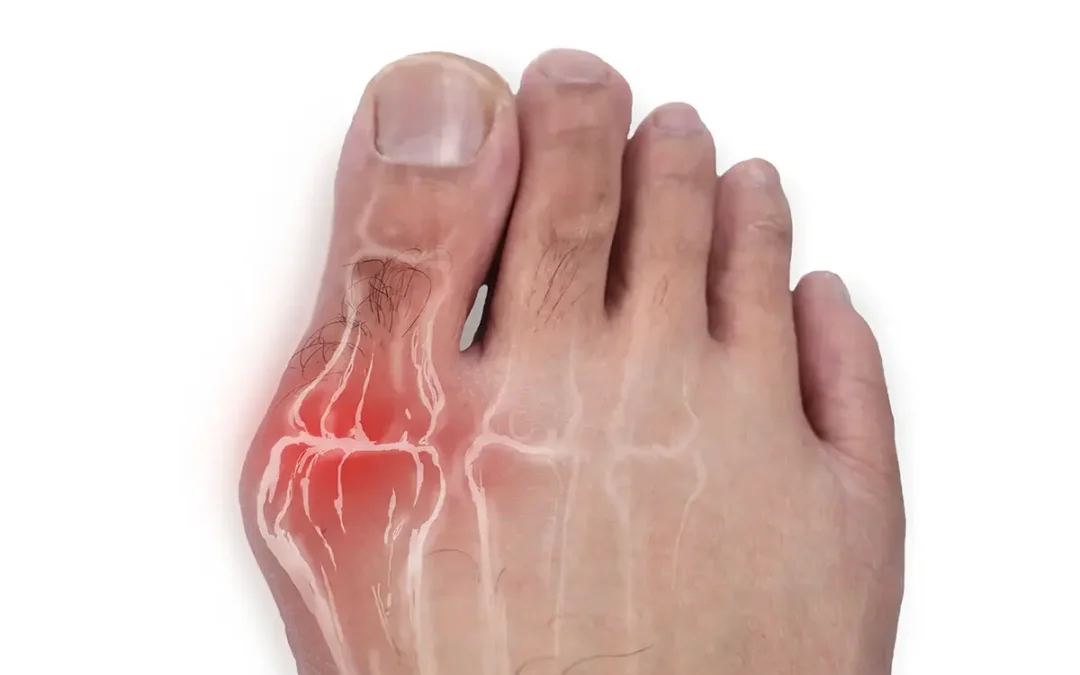
Will Bunions Go Away on Their Own? Myths and Facts
There is no mistaking what a bunion is. It is a common foot deformity that can develop from wearing shoes that are too tight and is noticeable by the small bony protrusion on the side of the big toe. Bunions that are left untreated may grow and push the other toes...
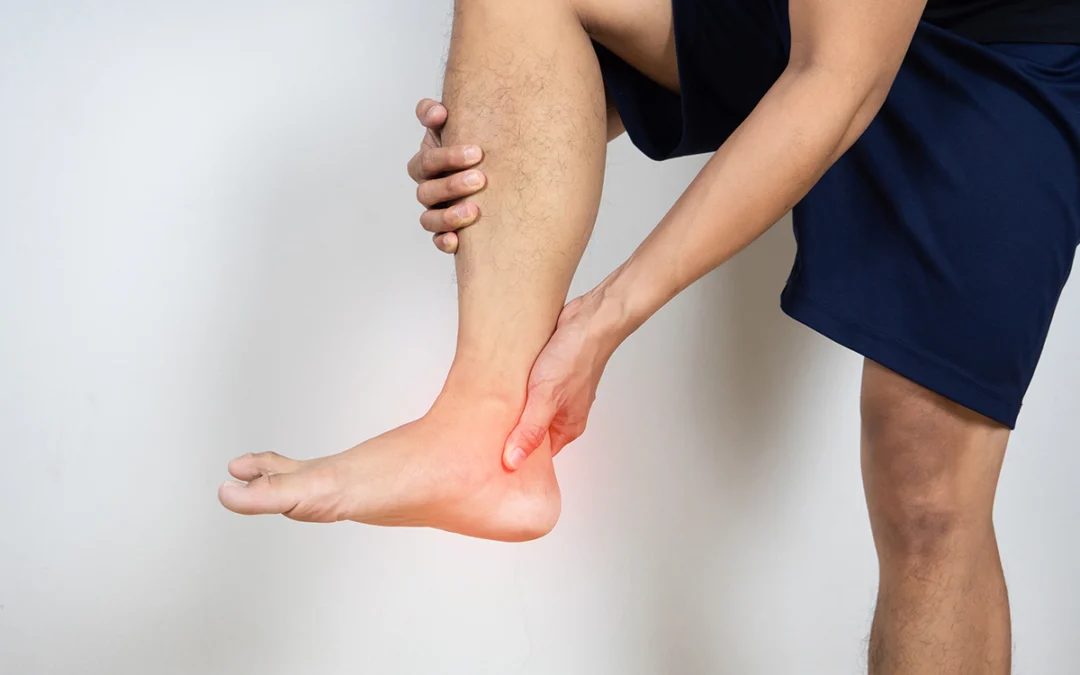
Tarsal Tunnel Syndrome: An Introduction
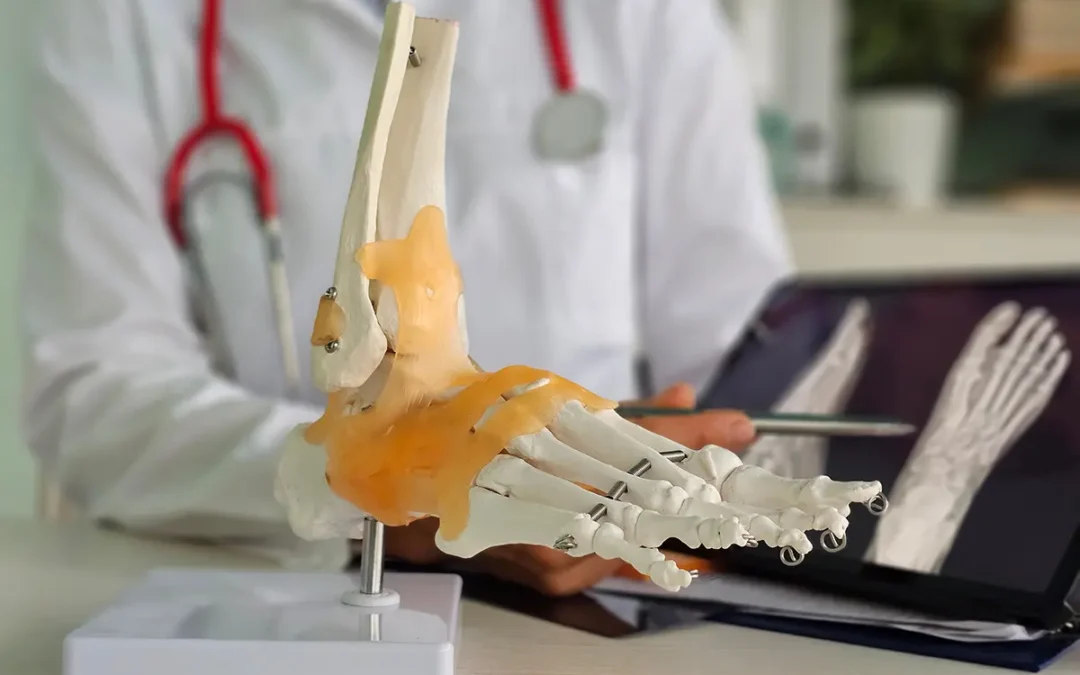
Tarsal tunnel syndrome is a condition in which there is a compression of the posterior tibial nerve. The posterior tibial nerve runs along the inside of the ankle into the foot. Tarsal tunnel syndrome is named for the tarsal tunnel, which is a thin space along the...
Medical Conditions That Can Lead to Tarsal Tunnel Syndrome Explained
The nerve that is located inside the tarsal tunnel is called the posterior tibial nerve. The tarsal tunnel is a narrow passageway that is found inside the ankle. It is held in place by soft tissue and bone, and this nerve can become compressed and irritated due to...
What Is a Stone Bruise? Causes and Treatment Options
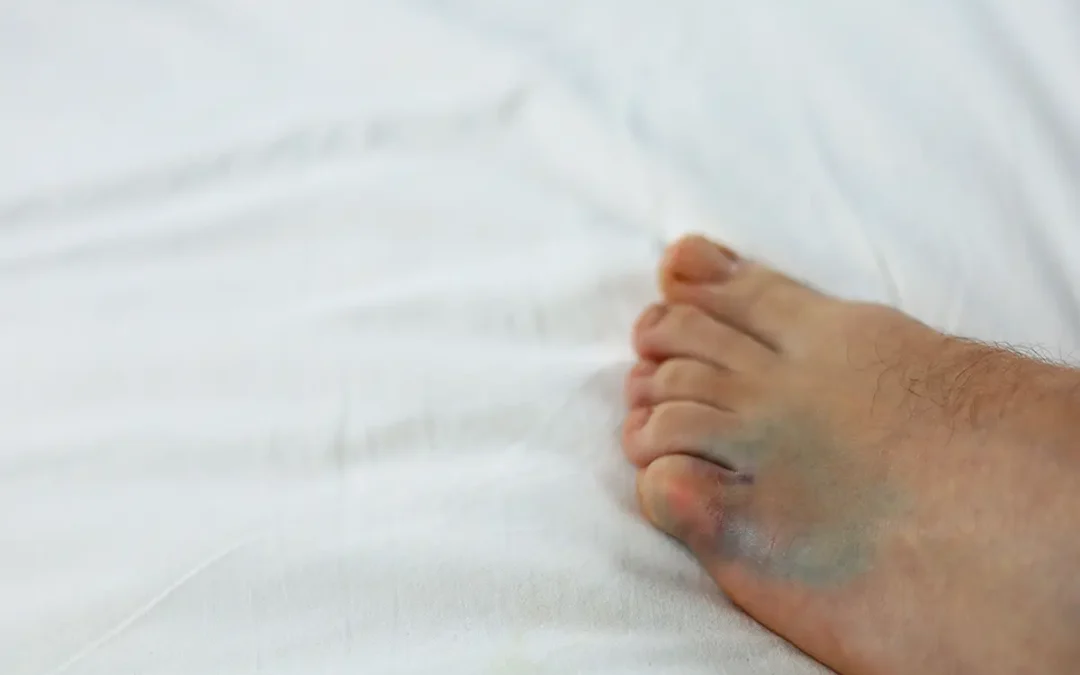
Stone bruises are also known as metatarsalgia, and they may affect a wide variety of individuals. Stone bruises can effectively develop on the feet causing significant pain. Stone bruises are defined not so much by what they look like, but by how they feel or what...
Key Facts Everyone Should Know About Ankle Sprains
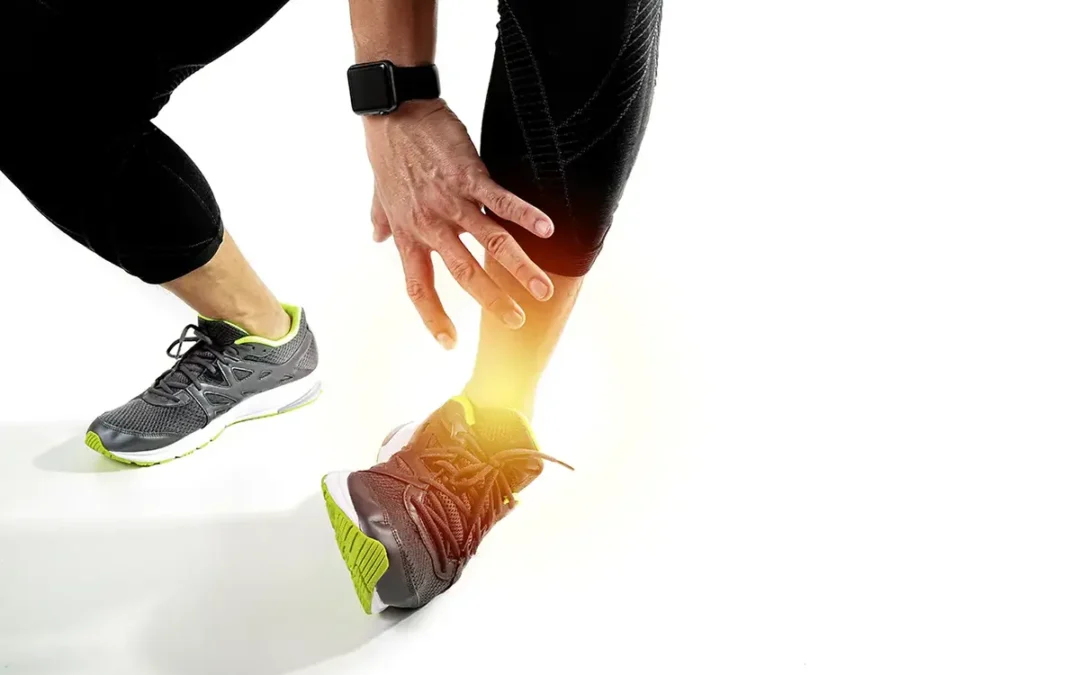
You don’t need to be an athlete to sprain an ankle. It can happen to anyone, simply by landing wrong when stepping down on a curb or staircase. However, those who play court games or team sports are far more likely to incur this type of injury. The majority of ankle...
Understanding the Three Grades of Ankle Sprains: Severity and Care
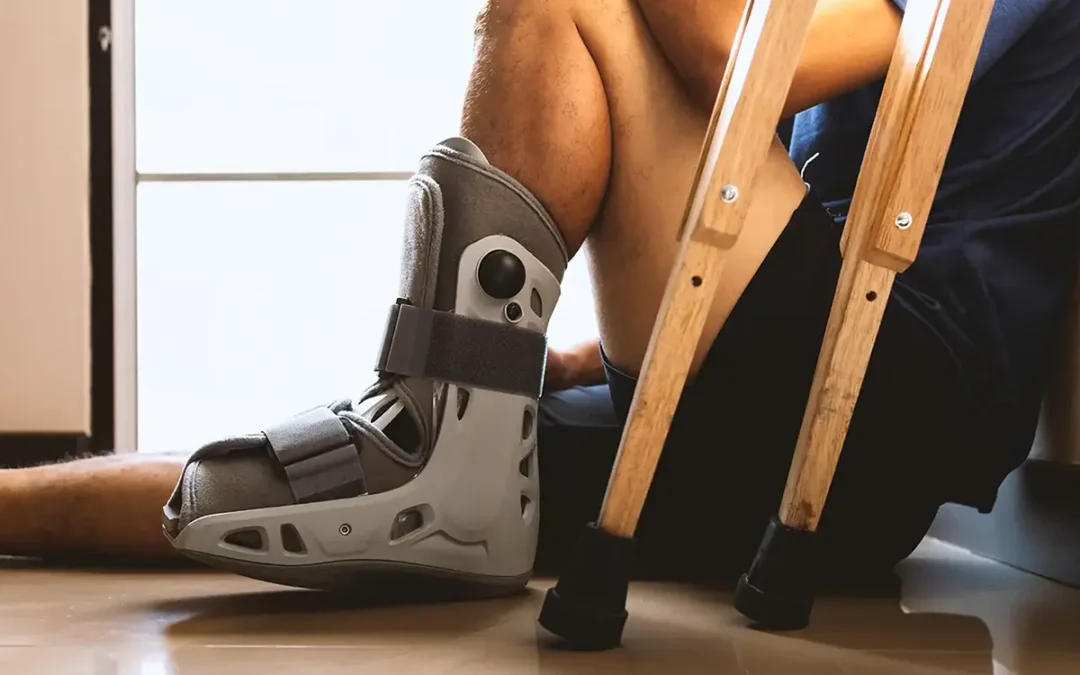
An ankle sprain occurs when one or more ankle ligament gets overly stretched. Ligaments are strong bands of tissue that bind and support the bones and other structures that make up the ankle. In more severe ankle sprains, the ligament(s) tear—either partially or...
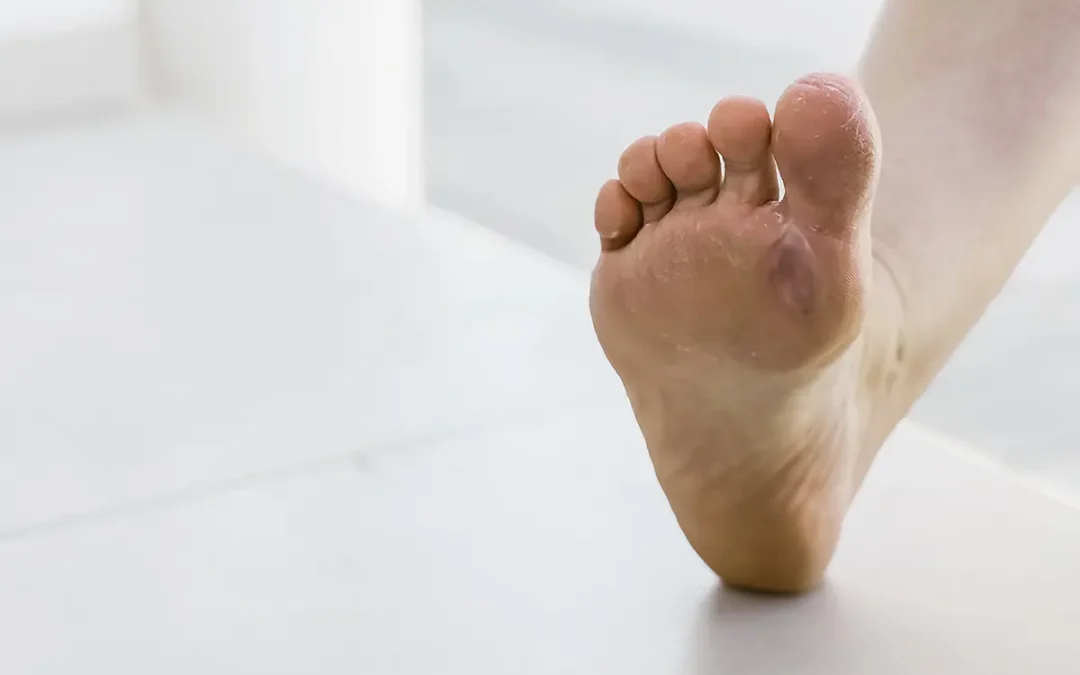
Blisters: Prevention and Treatment for Healthy Feet
Blisters are small pockets of fluid that occur on the top layers of the skin for several reasons. Friction, burns, and diseases are all known causes of blisters. Smaller blisters are known as vesicles, while larger blisters are referred to as bulla. The fluid inside...
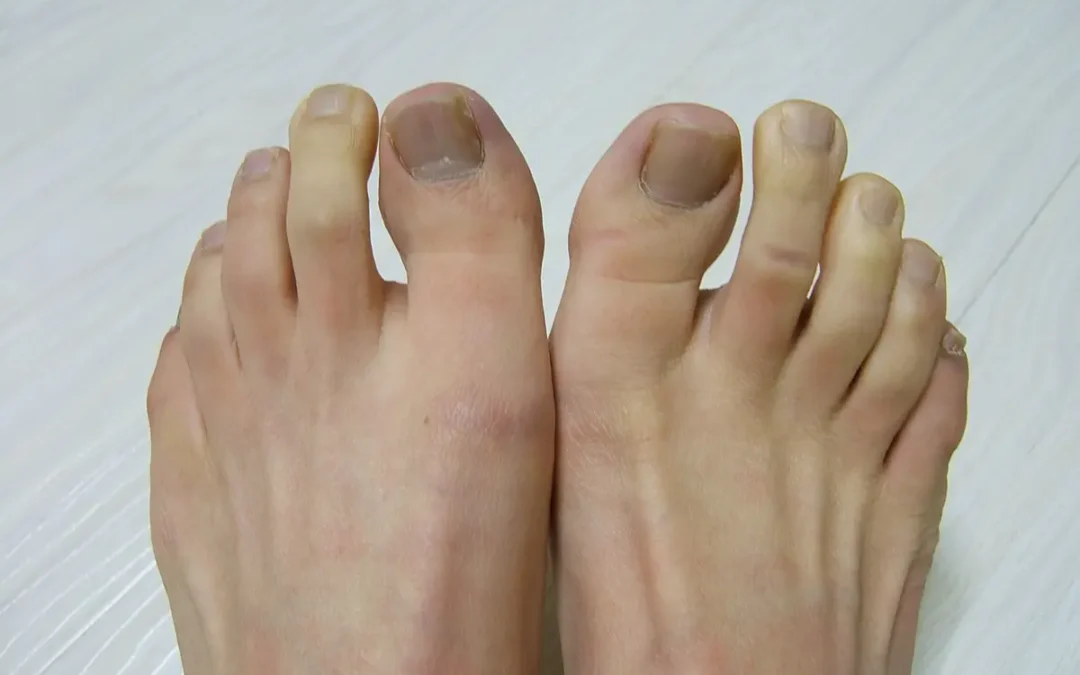
All About Raynaud’s Disease and Its Effects on Foot Health
Although rare diseases that affect the feet are not especially prevalent, it can be useful to learn more about them in case you must ever identify one in yourself or a loved one. Raynaud’s disease is one kind of rare foot condition to be aware of. An individual with...
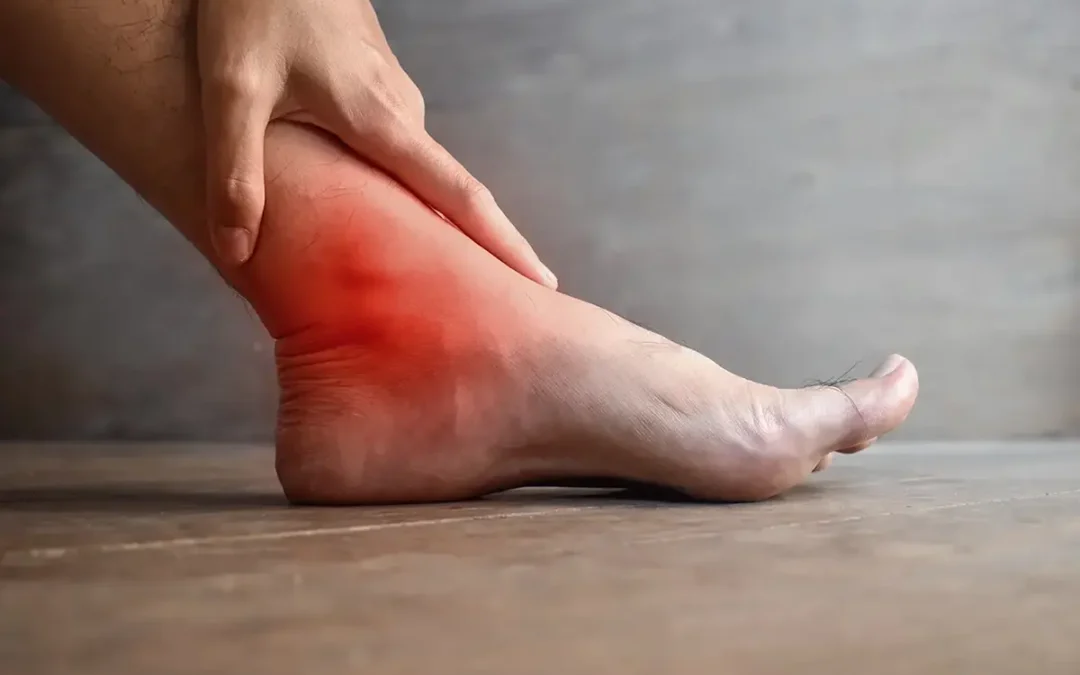
Symptoms of an Achilles Tendon Injury: When to Seek Help
People who have endured an Achilles tendon injury may have to temporarily alter their lives. It generally happens as a result of an injury that affects the Achilles tendon, and walking may be impossible until proper treatment is provided. This tendon is located in the...
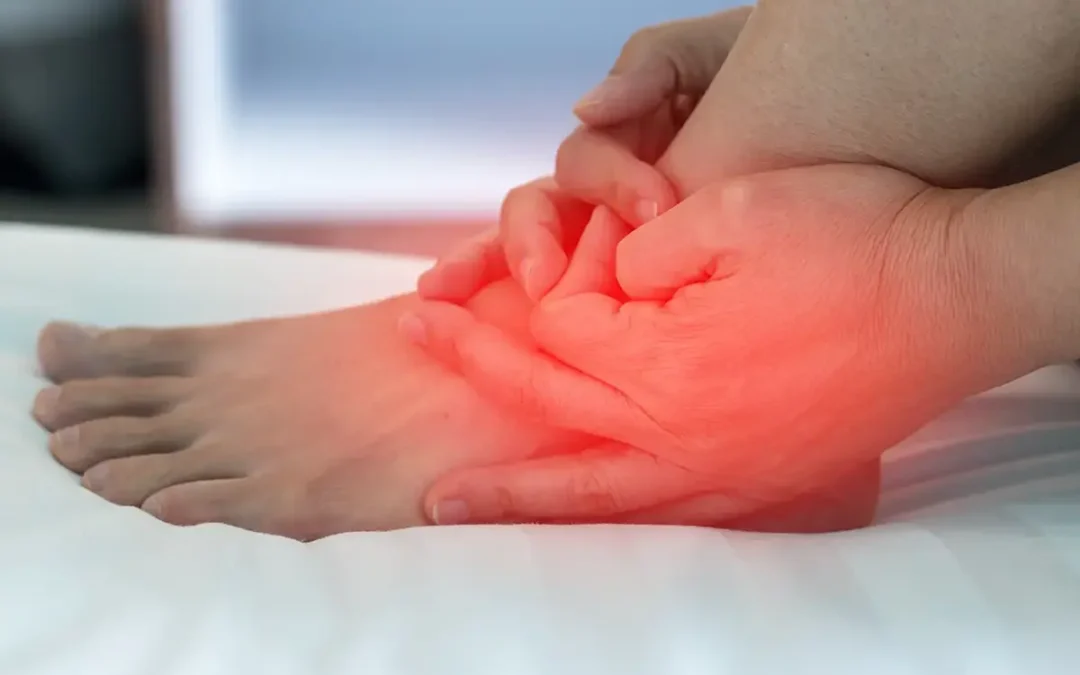
Causes, Types, and Treatments of Achilles Tendon Injuries Explained
Tendons are fibrous tissues that connect muscles with bone. The Achilles tendon is the largest tendon in the body. It connects the calf muscles at the back of the leg with the heel, and facilitates movements such as jumping, running, and walking. Because the Achilles...
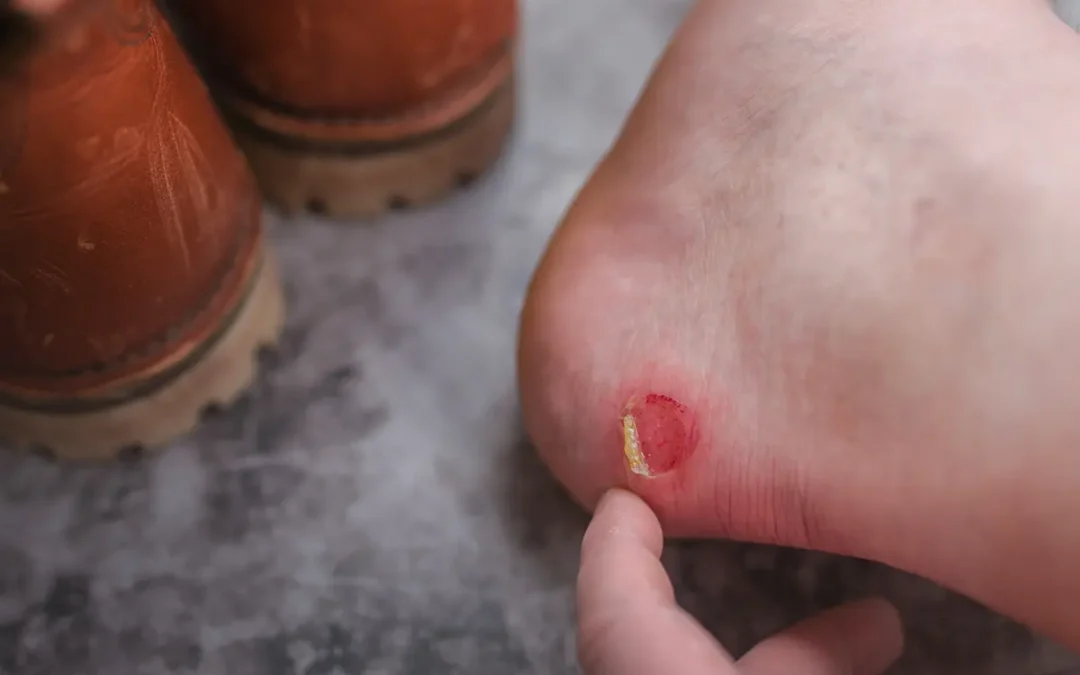
Popping Blisters: Why It Might Do More Harm Than Good
Blisters are quite a common form of foot affliction that can affect a wide variety of people. Blisters are filled with fluid and often develop on the feet in response to friction placed on the affected area. Other times, blisters can form on the feet in response to...

What Type of Running Shoe Should I Buy? A Buyer’s Guide
Wearing the right shoes can make a world of difference while running. There are various styles of running shoes that can confuse even the most seasoned athlete, and it is crucial to know which pair is correct for you. Running shoes are divided into several categories,...
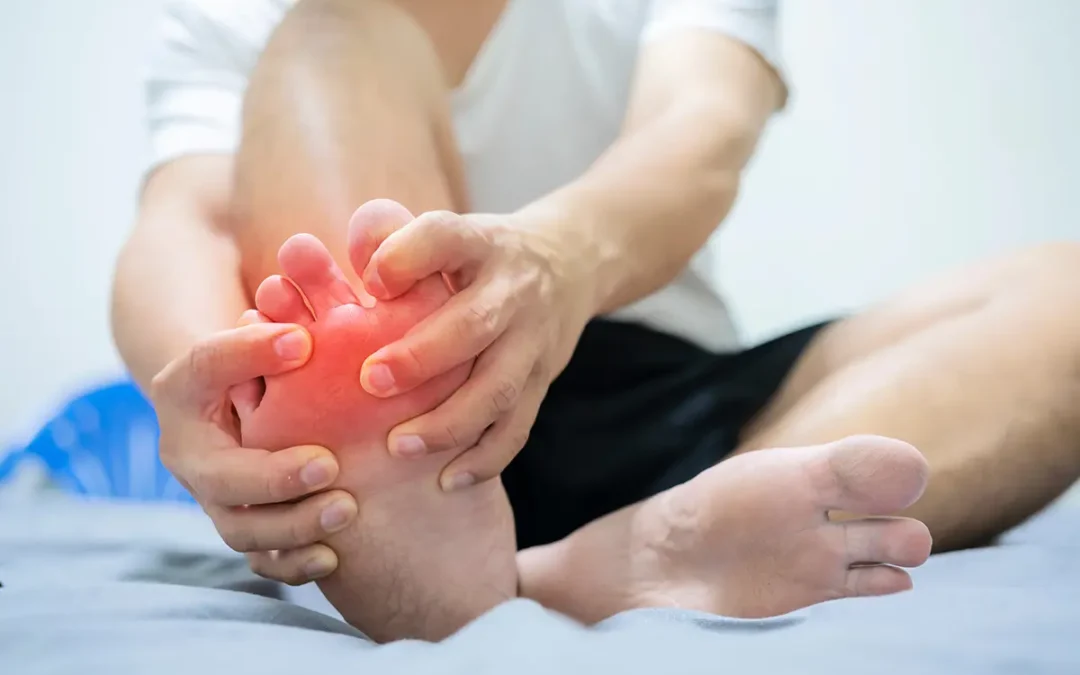
Painful Gout: Prevention Techniques and Management Tips
There is a type of inflammatory arthritis known as gout. It generally causes severe pain and discomfort, and most often affects the big toe. High levels of uric acid are responsible for the onset of gout, which can lodge in the form of crystals in the joints of the...

How a Broken Ankle Is Diagnosed and Treated by Specialists
The majority of people often notice immediately if they have broken their ankle. Each ankle has many moving parts, ranging from ligaments and tissues that are connected to the bones. The ankle is key to moving the foot forward, and extreme pain and discomfort may...

All About Broken Ankles: Causes, Symptoms, and Recovery
Broken ankles, or “ankle fractures,” occur when the bones that make up the ankle joint are broken. Ankle injuries are some of the most common bone and joint injuries. The ankle joint is made up of three bones that join together. The tibia is the main bone, and it...

Juvenile Arthritis Types: What Parents Need to Know
Arthritis that develops in a child is known as juvenile idiopathic arthritis (JIA). Juvenile means under the age of 16, idiopathic means the cause is unknown, and arthritis indicates inflammation, swelling, and pain in joints, including the ankle. While the cause is...
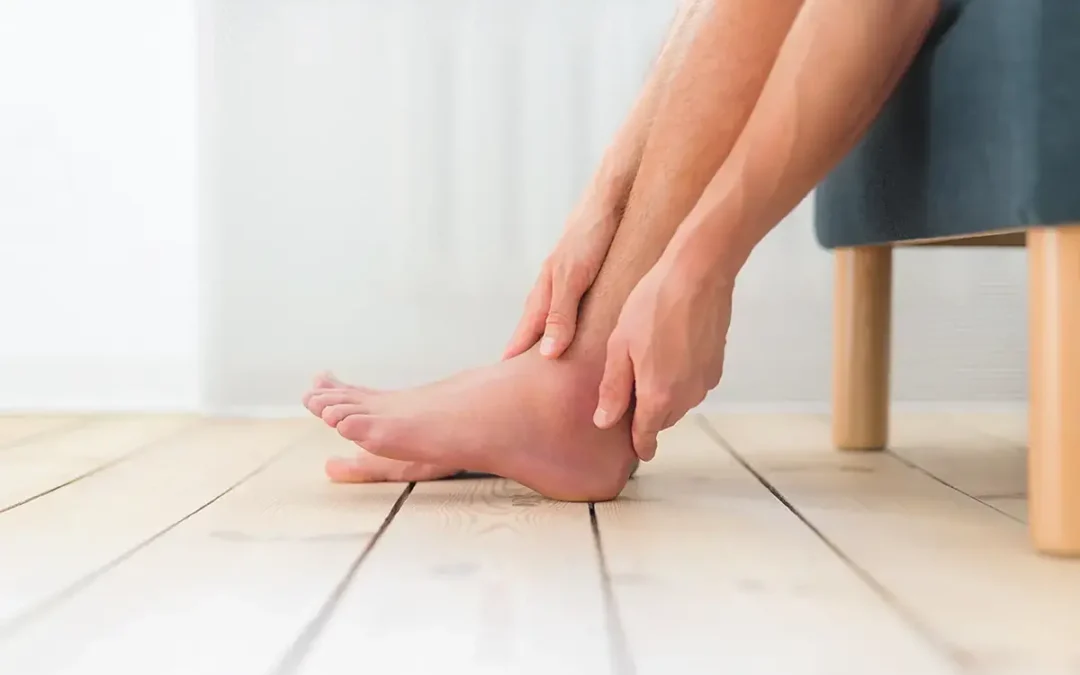
Types of Ankle Sprains: How to Identify and Care for Each
An inversion injury happens when the ankle rolls outward while the foot turns inward. This is considered to be the most common type of ankle sprain. Sprains happen as a result of the ankle stretching past its normal range of motion causing immediate pain and...
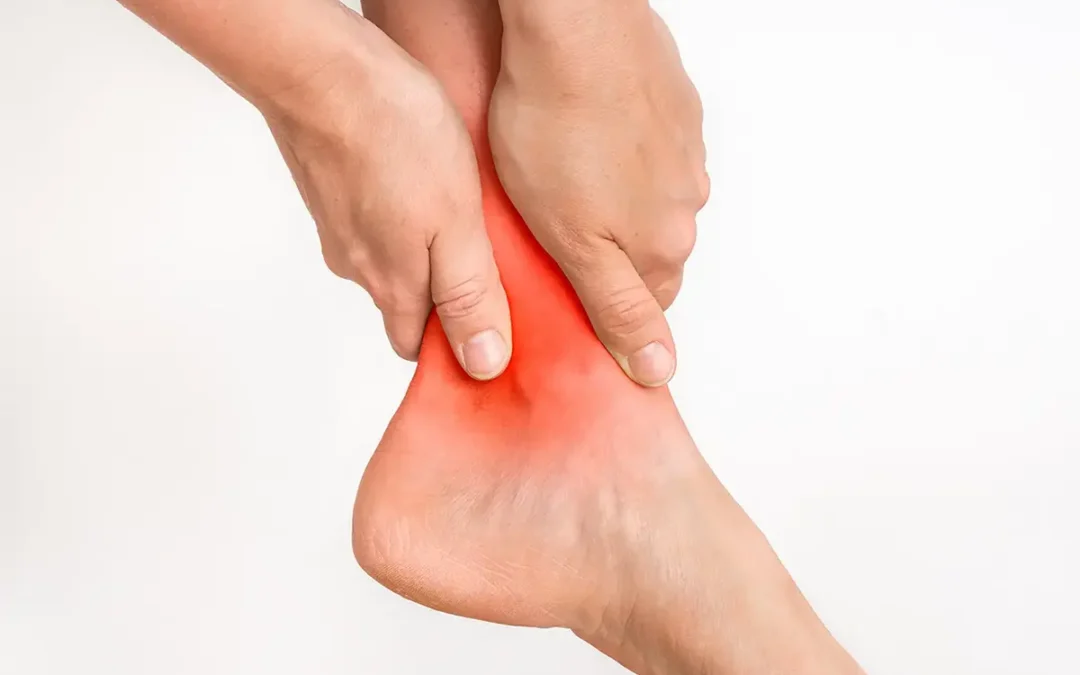
Ankle Sprains: Symptoms, Treatment, and Recovery Essentials
Although ankle sprains may not be as serious as a broken ankle, they should be given immediate attention and care. An ankle sprain can lead to a significant amount of pain, as well as limited mobility. They are often characterized by the swelling and discoloration of...
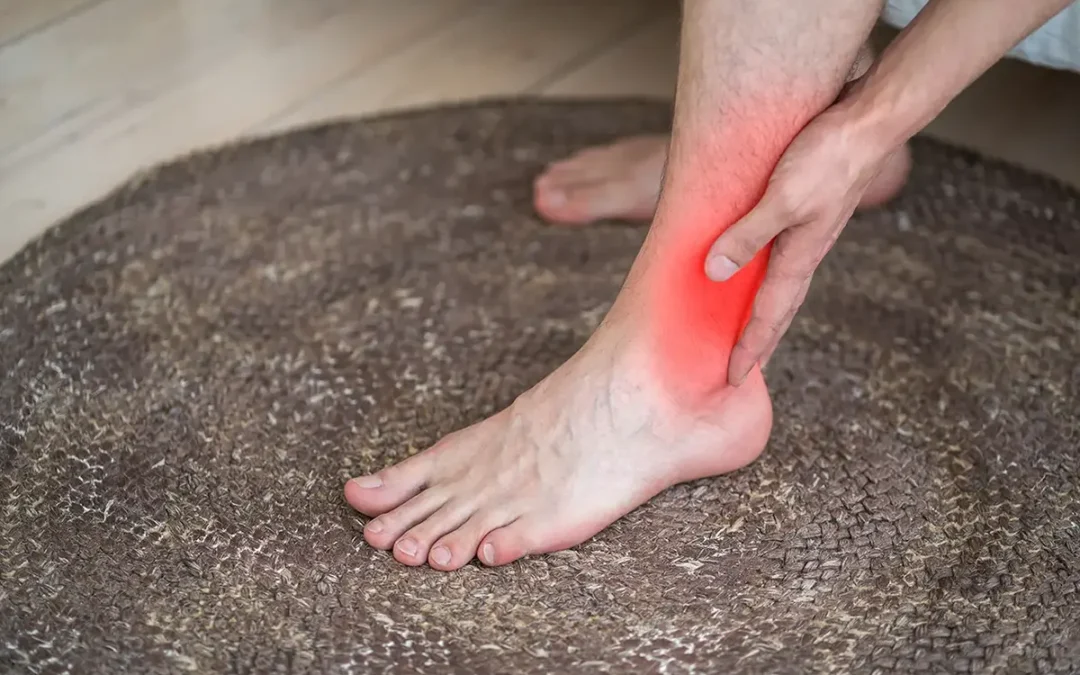
Signs You May Have an Achilles Tendon Injury and What to Do Next
There are different ways in which an individual may injure their achilles tendon, the tendon that runs from the calf muscle to the heel bone in the lower leg. For example, an individual can tear or rupture their Achilles tendon when it is strained or stretched beyond...
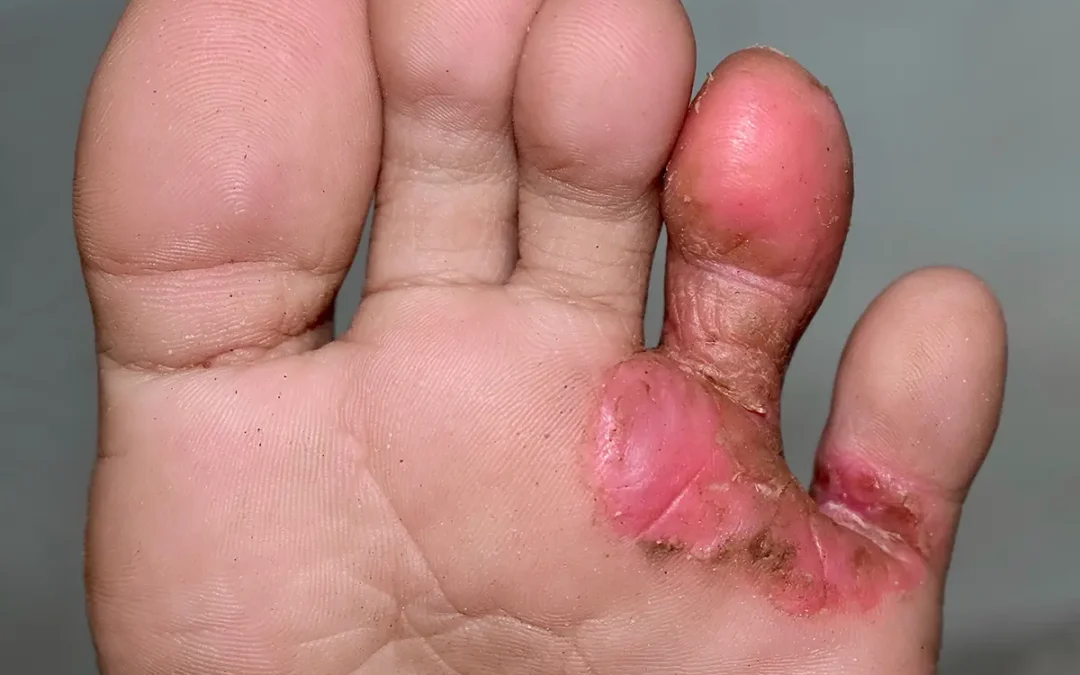
Contagious Athlete’s Foot: How to Prevent Spreading and Recurrence
The foot condition known as athlete’s foot can be uncomfortable and many people are embarrassed at how their feet look when they are afflicted with this ailment. It is caused by a fungus that lives in warm and moist environments including shower room floors, public...

How Pronation Affects Runners and What You Can Do About It
Many runners hear a lot about overpronation and its effects. Some pronation is relatively normal when your foot bears weight as you walk or run. The arch flattens out and the foot rotates inward. The degree to which the foot pronates is different for each runner....
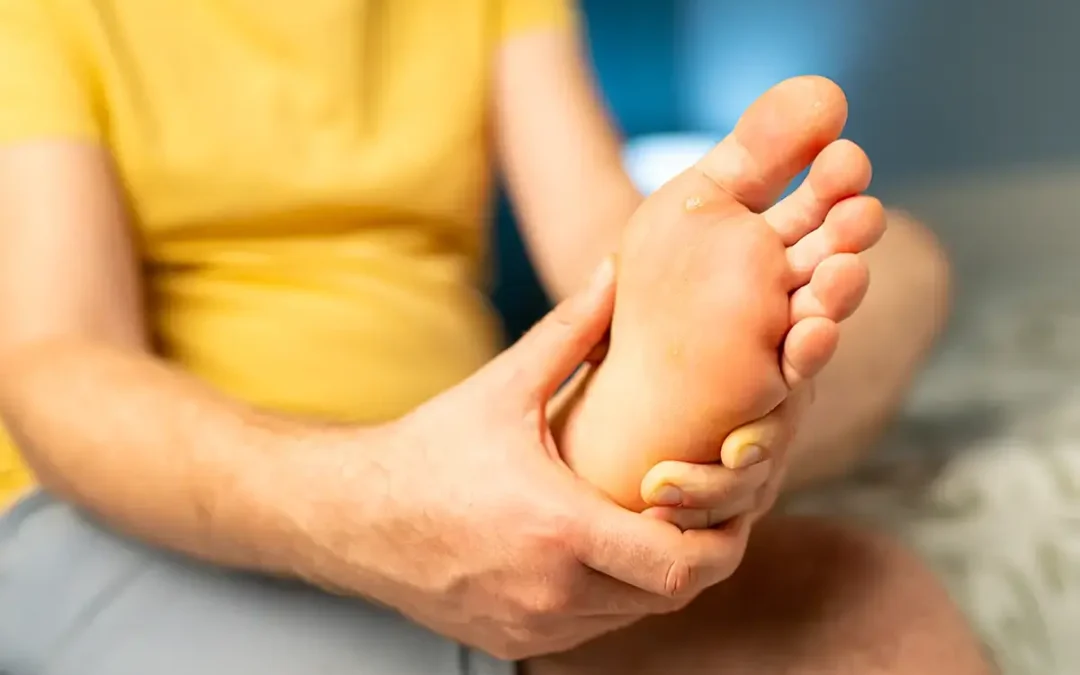
Uncomfortable Plantar Warts: Causes, Symptoms, and Treatment Tips
Plantar warts are found on the bottom of the feet, and can be very painful. The majority of warts grow outward, but plantar warts grow inward as a result of standing and walking for most of the day. The medical name for this type of wart is a verruca, and is connected...